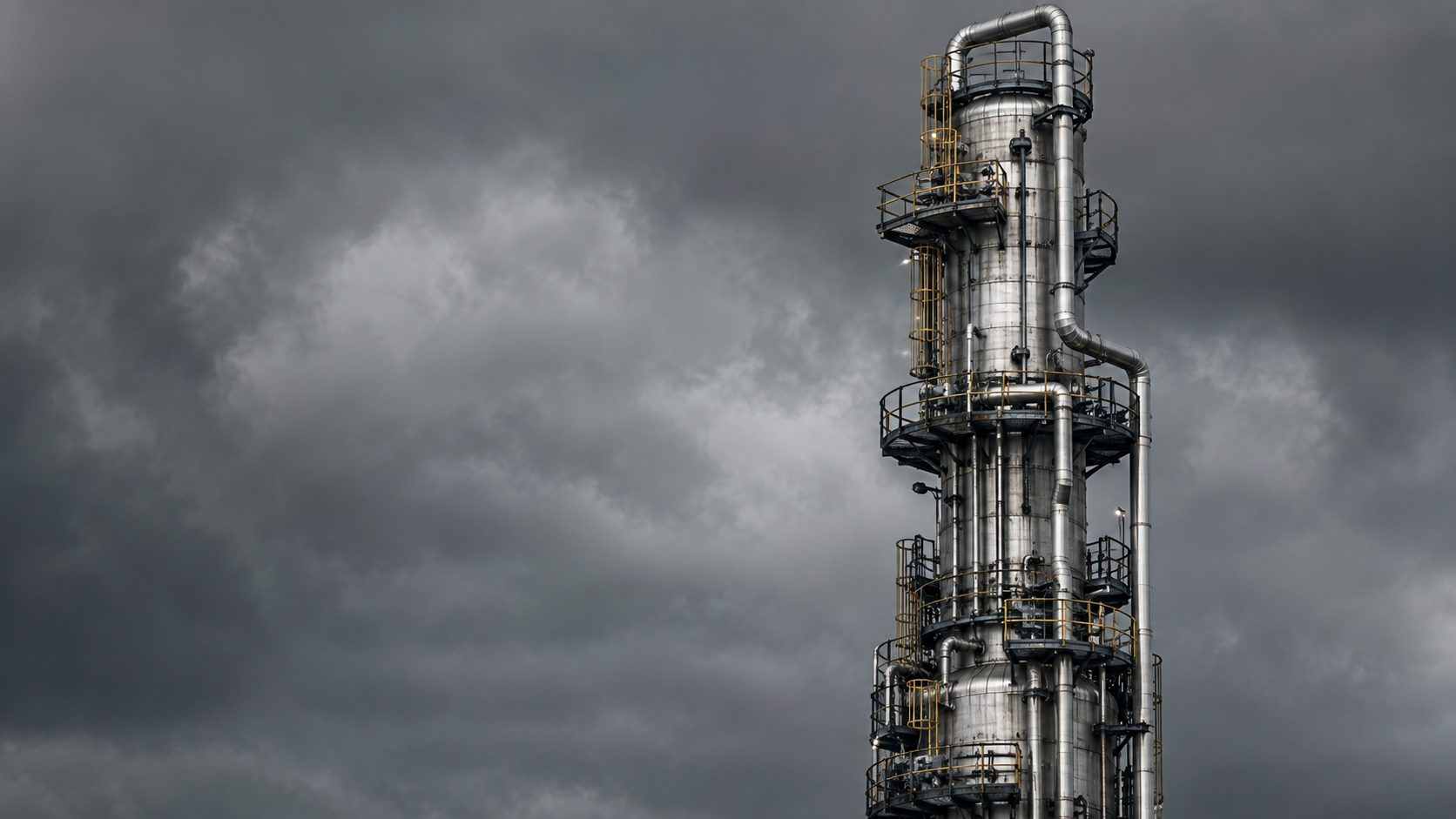
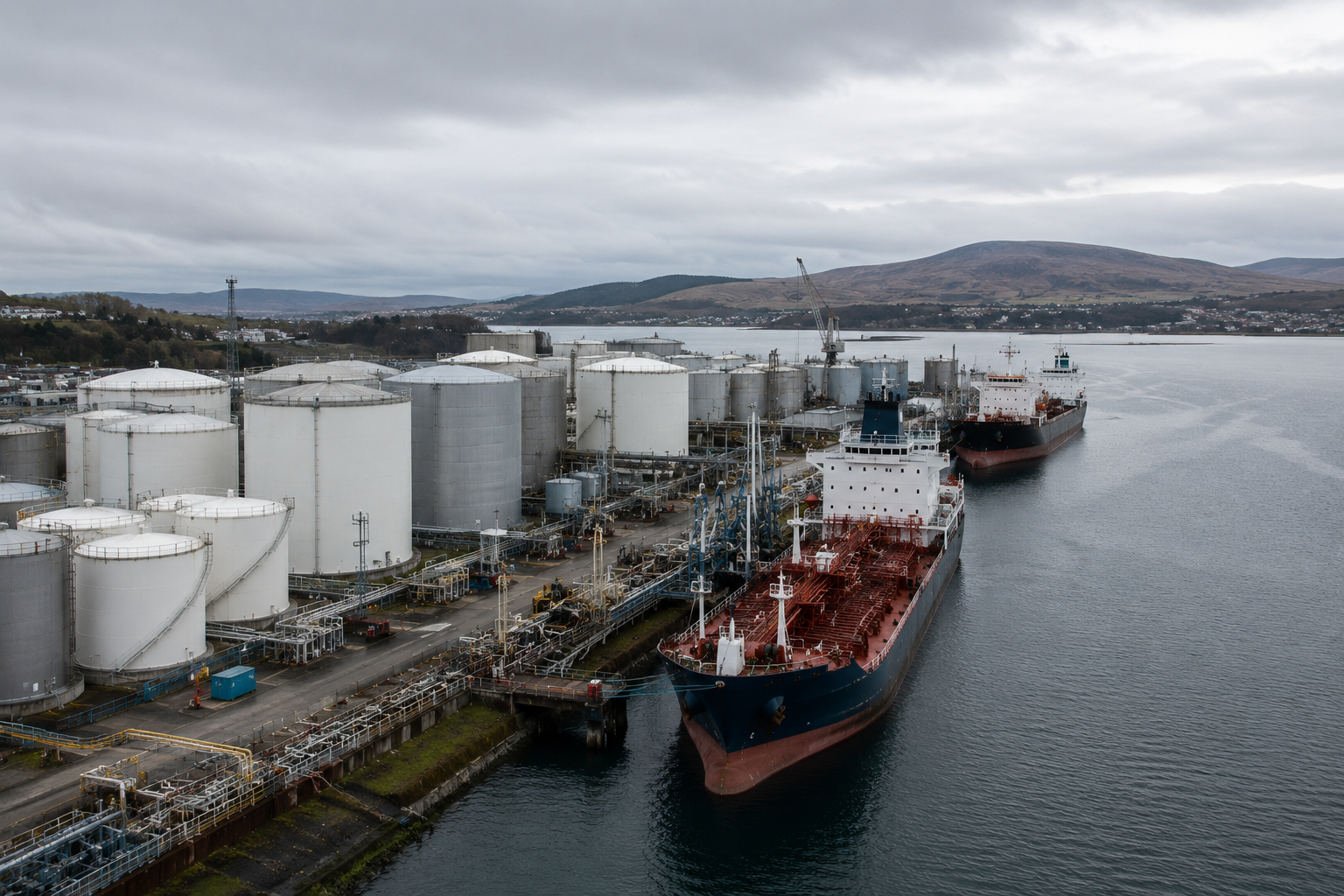
European polymer manufacturing faces an unprecedented operational crisis as structural economic headwinds squeeze traditional heavy chemical producers. The formal insolvency administration process underway at Vynova Wilhelmshaven illustrates the compounding pressures of elevated energy costs, complex regulatory frameworks, and subdued downstream demand. This high-profile restructuring signals deep vulnerabilities within the region's chlor-alkali and suspension polyvinyl chloride supply chains.
Energy-intensive industries across the European Union struggle to maintain competitive margins against global rivals insulated from high local power tariffs. Suspension polyvinyl chloride and vinyl chloride monomer production require massive continuous inputs of electricity and thermal energy. Persistent cost disparities force regional operators to absorb heavy financial losses or curtail operating rates significantly.
Regulatory compliance requirements add another layer of operational friction for European polymer manufacturers. Stringent environmental mandates and chemical management policies demand continuous capital expenditure for facility upgrades and emissions monitoring. Producers must balance these mounting compliance expenses against soft domestic demand from construction and infrastructure sectors.
High industrial electricity and natural gas tariffs erode operating margins across European chemical plants.
Regulatory compliance demands require continuous capital outlays despite weak market demand conditions.
Low-priced import competition places severe downward pressure on regional polymer pricing structures.
Procurement managers relying on European sources must navigate heightened supply chain instability as restructuring events reshape the market. Factory downtime and insolvency filings threaten long-term contract security for downstream compounders and converters. Sourcing teams actively review contingency plans to mitigate sudden volume restrictions or unexpected vendor liquidations.
Market analysts expect structural consolidation to accelerate across the continent as weaker assets change hands or exit the market entirely. Strategic buyers with strong balance sheets view distressed assets as opportunities to capture regional capacity. However, facility integration requires substantial investment to address legacy inefficiencies and meet modern environmental targets.
Downstream buyers diversify regional supplier portfolios to minimize exposure to single-site disruptions.
Contract negotiations increasingly feature flexible pricing clauses tied to volatile energy indexes.
Asset consolidation shifts manufacturing footprints toward operators with optimized logistical advantages.
The challenges facing European polyvinyl chloride producers underline a permanent shift in how basic petrochemical building blocks are manufactured and costed. Chemical traders and procurement professionals must adapt to a landscape where regulatory burdens and energy volatility dictate availability. Long-term supply security now depends on close collaboration with operationally resilient partners.
The Bottom Line for Buyers
Polymer procurement teams must closely monitor regional restructuring trends to protect manufacturing operations from unexpected feedstock shortages. Sourcing strategies should prioritize suppliers with diversified energy sources, strong financial backing, and proven regulatory adaptability. Ready to source PVC from verified global suppliers? Explore competitive offers on our platform today.