Western European polyvinyl chloride markets are experiencing a massive structural realignment as overseas supply volumes surge dramatically. Regional imports totaled 163,000 tonnes in Q1 2026, representing a nearly forty-three percent increase from the 114,000 tonnes recorded a year earlier. This historic volume spike signals that Asian producers have successfully established durable supply channels into a traditionally protected market.
Traders and procurement managers recognize this shift as more than temporary arbitrage or seasonal restocking. The sustained influx of material from China, South Korea and Taiwan reflects fundamental cost advantages that domestic producers cannot easily replicate. Buyers now enjoy unprecedented sourcing flexibility while local manufacturers face intense margin compression.
The following sections explore the drivers behind this import surge and outline strategic responses for market participants. Understanding these new trade flows is essential for optimizing your polymer procurement approach in 2026.
Drivers Behind the Surge in Asian PVC Volumes
Asian producers leveraged expanded capacity and low feedstock costs to offer highly competitive landed prices in Europe. Chinese coal-to-PVC complexes achieved record utilization rates during Q1 2026 as domestic construction demand remained subdued.
South Korean and Taiwanese exporters redirected volumes away from saturated Southeast Asian markets toward higher-margin European destinations. Their integrated ethylene-based facilities maintained superior quality consistency compared to alternative origins.
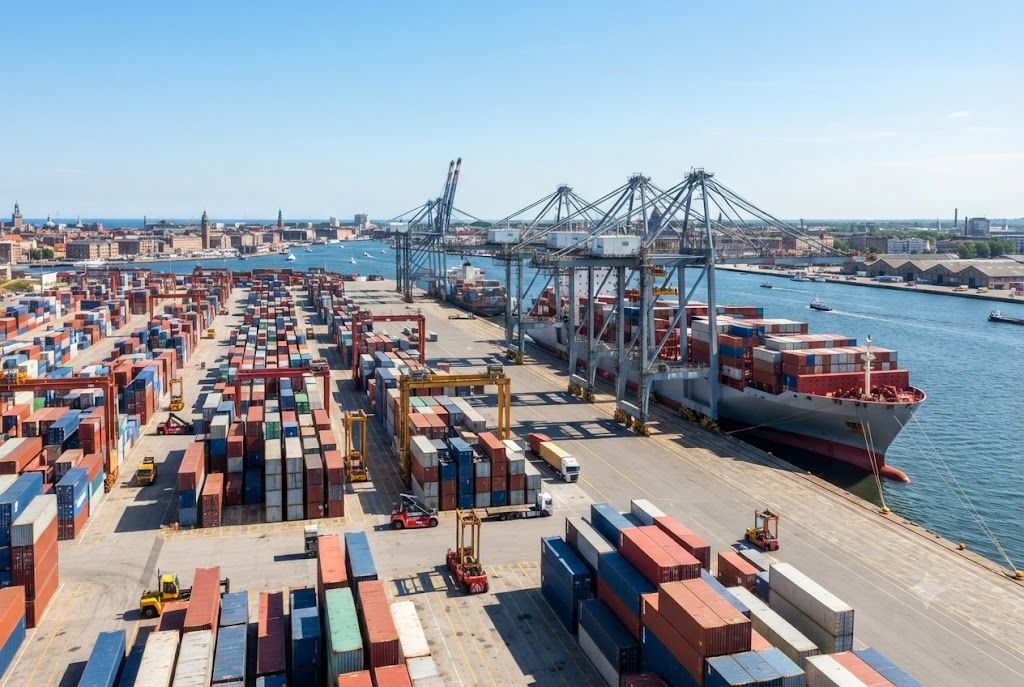
Freight rate moderation during early 2026 improved the economics of long-haul chemical shipments significantly. Container availability stabilized after previous years of logistical chaos enabling reliable just-in-time delivery schedules.
European buyers actively solicited these competitive offers to diversify their supply bases beyond traditional domestic suppliers. The combination of attractive pricing and improved logistics created perfect conditions for import volume expansion.
Regional Supply Dynamics and Domestic Producer Response
Domestic European PVC producers faced severe margin pressure as imported material captured significant market share. High energy costs and aging infrastructure prevented many local plants from matching Asian pricing on commodity suspension grades.
Several major European operators announced unplanned maintenance turnarounds or permanent capacity reductions during Q1 2026. These operational adjustments aimed to balance regional supply with weakened demand but inadvertently created space for additional imports.
Local producers shifted focus toward specialized high-margin applications where technical service and certification requirements create barriers to entry. Medical, automotive and wire-and-cable grades offered better profitability than basic construction profiles.
Trading houses facilitated the transition by managing complex customs documentation and quality verification processes. Their intermediation reduced perceived risk for conservative European buyers testing new Asian suppliers for the first time.
Quality Perception Shifts and Technical Acceptance
Historical concerns about Asian PVC quality have diminished substantially as production standards improved across major exporting nations. Modern Chinese facilities now consistently meet stringent European specifications for thermal stability and impurity profiles.
South Korean and Taiwanese producers maintained premium positioning through rigorous quality management systems and international certifications. Their material serves as direct drop-in replacement for domestic resin in demanding extrusion and calendering applications.
European converters conducted extensive qualification trials during late 2025 that validated Asian material performance. Successful testing cycles removed psychological barriers and enabled volume commitments in Q1 2026.
Technical support capabilities also improved as Asian suppliers established local distribution networks and application laboratories. This enhanced service infrastructure addressed previous concerns about responsiveness and problem resolution speed.
Pricing Impacts and Margin Compression Across the Value Chain
The influx of 163,000 tonnes of additional supply immediately pressured regional spot and contract benchmarks. Domestic producers implemented defensive price cuts to retain key accounts despite already compressed margins.
Downstream converters benefited from lower input costs and improved negotiating leverage with multiple qualified suppliers. Packaging manufacturers and profile extruders reported enhanced competitiveness versus finished goods imports from Asia.
The pricing floor for European PVC now reflects Asian export parity plus freight rather than domestic production costs. This structural repricing permanently alters margin expectations across the entire regional value chain.
Contract negotiations shifted toward more frequent reset mechanisms tied to global indices rather than fixed quarterly pricing. Both buyers and sellers recognized that traditional European-centric benchmarks no longer reflected true market fundamentals.
Strategic Sourcing Opportunities for European Buyers
Procurement teams should view this import surge as an opportunity to build resilient multi-origin supply networks. Relying exclusively on domestic suppliers creates unnecessary concentration risk in an increasingly globalized market.
Qualifying multiple Asian origins provides insurance against regional disruptions and enhances negotiating leverage. Having proven alternatives enables buyers to capture value during both upturns and downturns in the pricing cycle.
Long-term contracts with Asian suppliers offer volume security and pricing predictability absent in spot markets. Locking in baseline allocations protects operations during periods of unexpected demand surges or logistical bottlenecks.
Trading houses play vital roles in facilitating these cross-border relationships through credit intermediation and quality assurance. Their expertise reduces transaction costs and accelerates supplier qualification timelines significantly.
Regulatory Considerations and Compliance Requirements
Imported PVC must comply with REACH registration and other European regulatory frameworks to enter the market legally. Asian suppliers invested heavily in compliance infrastructure to access premium European customers.
Carbon border adjustment mechanisms will increasingly influence sourcing decisions as implementation phases progress. Buyers must evaluate supplier carbon footprints alongside traditional cost and quality metrics.
Anti-dumping investigations remain a latent risk that could disrupt established trade flows without warning. Maintaining diversified origin portfolios mitigates exposure to sudden policy changes targeting specific countries.
Documentation and traceability requirements continue tightening across all chemical categories entering Europe. Suppliers demonstrating robust compliance systems gain preferential treatment during vendor selection processes.
What Procurement Teams Must Do Now
Navigating this transformed market requires proactive engagement with both domestic and international suppliers. Ignoring the structural shift toward Asian imports guarantees missed opportunities and competitive disadvantages.
Audit your current supplier portfolio to identify gaps in geographic and origin diversification. Quantify the potential savings and risk reduction benefits of adding qualified Asian sources to your approved vendor list.
Initiate qualification trials for promising new suppliers immediately rather than waiting for urgent need. Having pre-qualified alternatives ready enables rapid response when market conditions favor switching.
Negotiate contracts incorporating flexible volume and pricing mechanisms aligned with global market realities. Fixed-price agreements based on outdated regional assumptions expose buyers to mark-to-market losses during corrections.
Ready to source PVC resin from verified global suppliers? Explore competitive offers on our platform today.