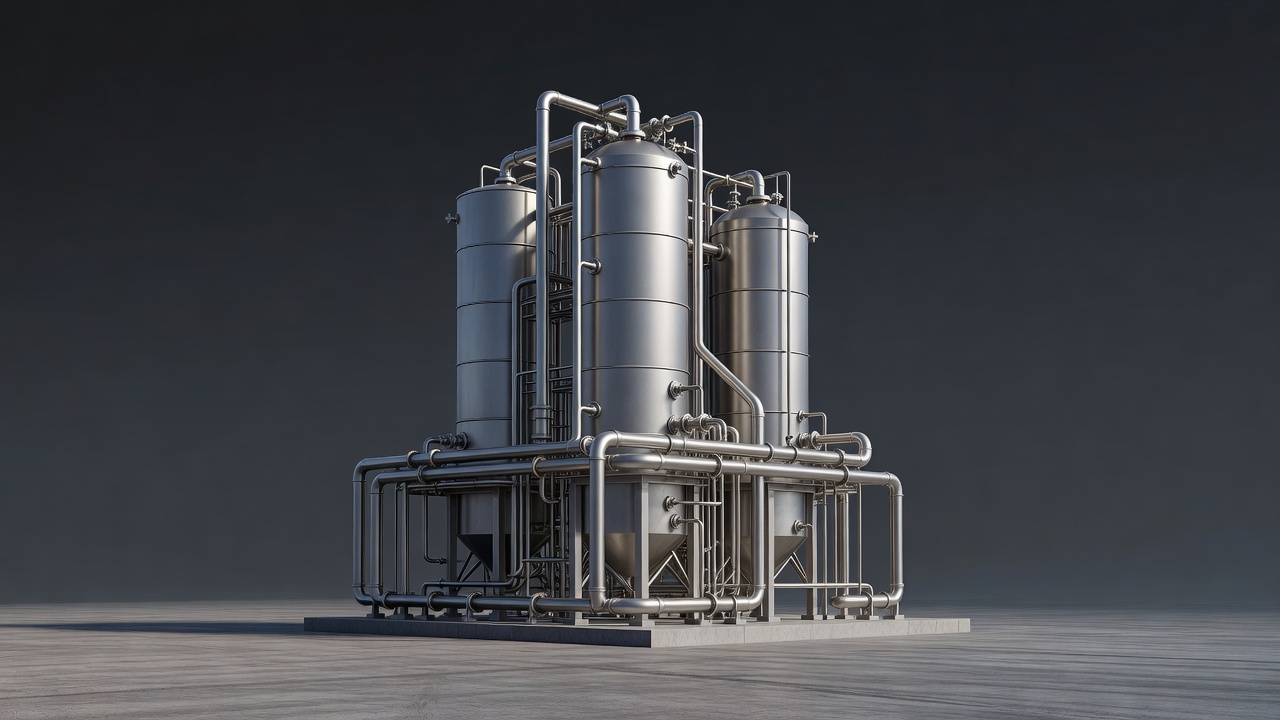
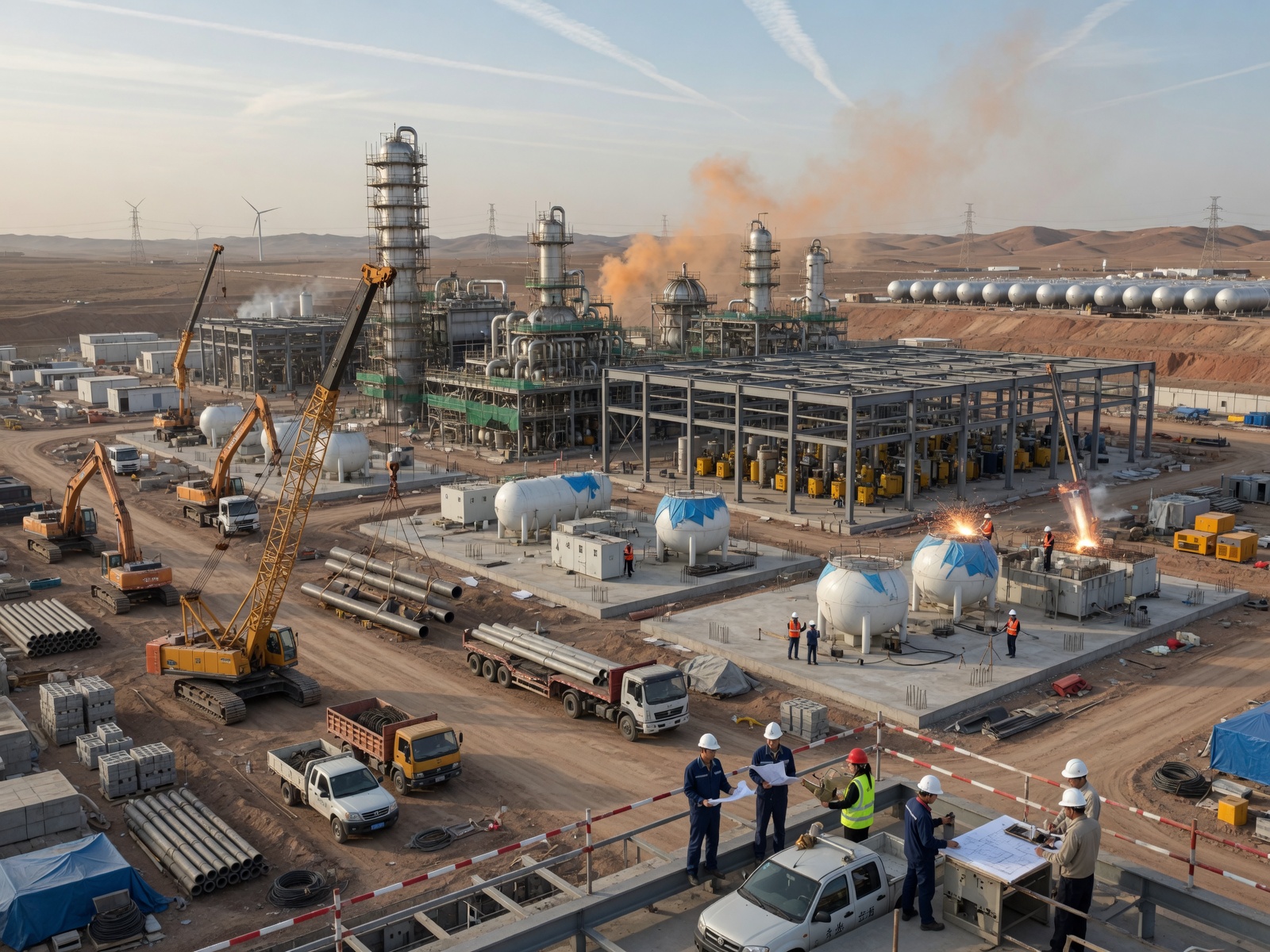
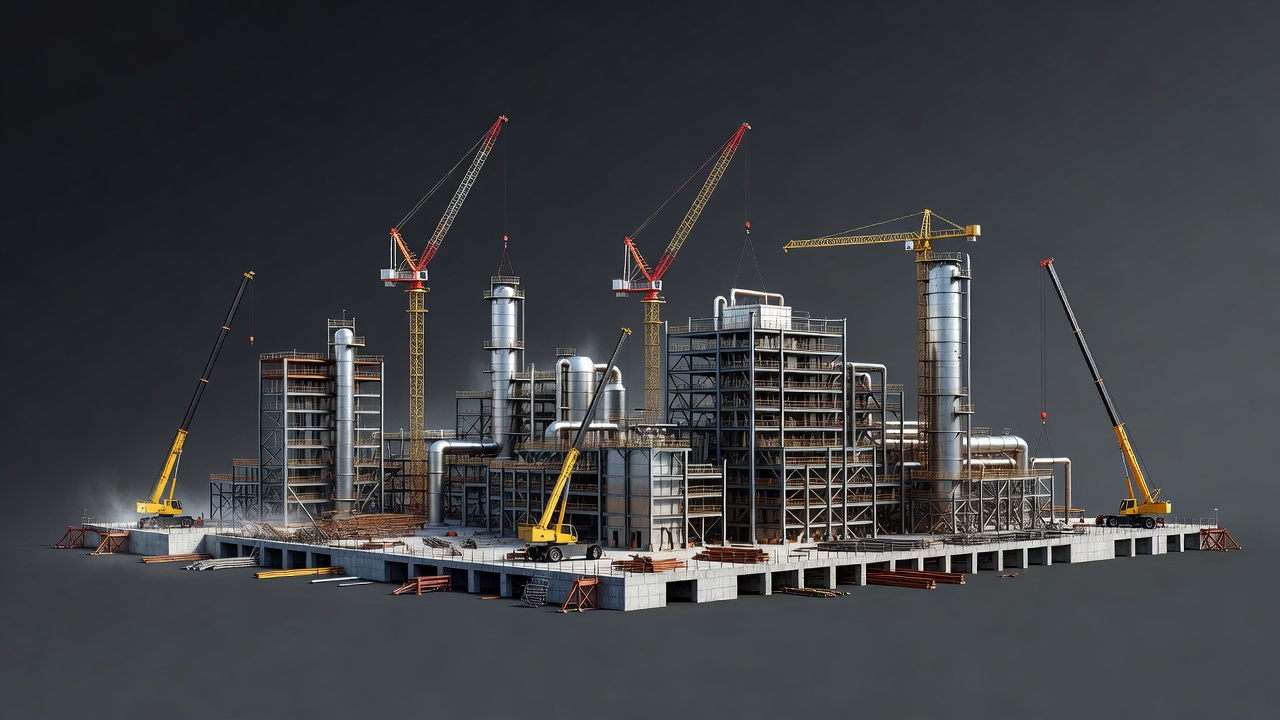
China continues expanding its petrochemical manufacturing base with the start of construction on a 450,000-tonne polypropylene plant at the Xinjiang Shaneng Wucaiwan project. The investment represents another step in the country's long-term strategy to strengthen domestic production capacity and reduce dependence on imported petrochemical products.
For procurement professionals, large-scale capacity additions deserve close attention because they influence regional supply balances, pricing dynamics and future trade flows. While a new production facility requires time before commercial output begins, capacity expansion projects often shape market expectations well before the first tonne of polypropylene reaches customers.
Why Polypropylene Is a Strategic Polymer
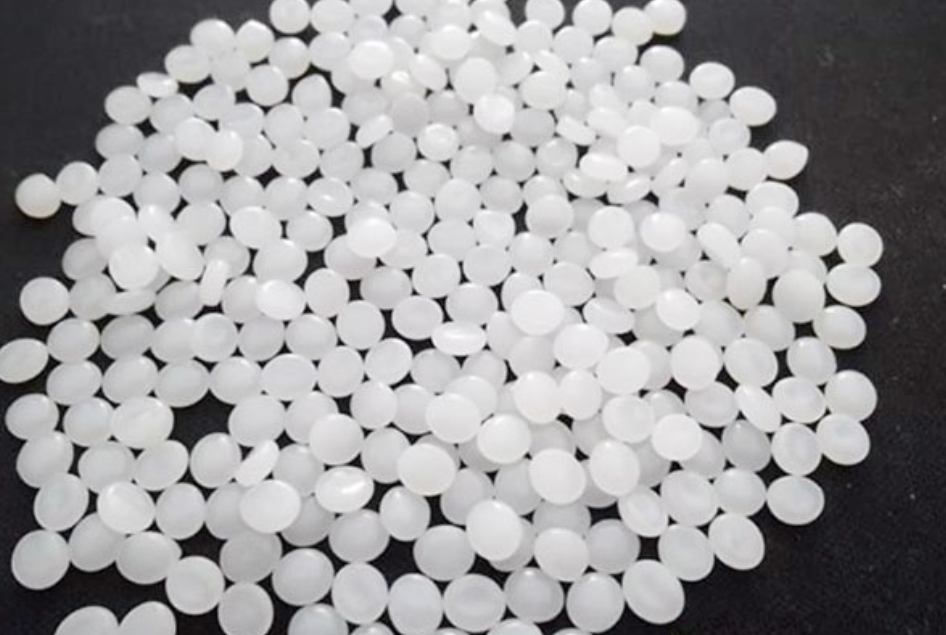
Polypropylene (PP) ranks among the world's most widely used thermoplastics, serving industries that range from packaging to automotive manufacturing.
Common applications include:
Its versatility makes polypropylene one of the most actively traded polymer products in global chemical markets.
China's Capacity Expansion Continues
The Xinjiang project reflects a broader strategy of expanding domestic petrochemical production to meet growing industrial demand.
Additional production capacity can provide several long-term advantages:
Greater domestic supply security.
Reduced dependence on imported polymers.
Improved economies of scale.
Stronger integration with upstream petrochemical production.
Increased flexibility to supply downstream manufacturers.
As more projects enter operation, China continues strengthening its position as one of the world's largest polymer producers.
Self-Sufficiency Can Influence Global Trade
Capacity growth affects more than domestic manufacturing. It also shapes international trade patterns.
If domestic production increasingly satisfies local demand, import requirements may decline over time. At the same time, additional manufacturing capacity could support higher export volumes when market conditions allow.
Potential market effects include:
Shifting regional trade flows.
Greater competition among polymer suppliers.
Changes in import demand.
New export opportunities.
Increased pricing competition in selected markets.
These developments are particularly relevant for suppliers currently serving the Chinese polypropylene market.
Procurement Teams Should Monitor New Capacity
Large petrochemical investments rarely influence markets overnight, but they can affect long-term procurement strategies.
Buyers should monitor:
Construction progress.
Planned commissioning schedules.
Expected commercial production dates.
Regional polypropylene demand.
Operating rates at existing production facilities.
Understanding future capacity additions helps procurement teams anticipate changing market conditions before production begins.
Downstream Industries Could Benefit From Greater Supply
Expanded polypropylene production supports numerous manufacturing sectors that rely on consistent polymer availability.
Industries likely to benefit include:
Packaging manufacturers.
Automotive suppliers.
Consumer goods producers.
Medical equipment manufacturers.
Textile and fibre processors.
Greater domestic capacity may improve supply reliability while increasing competition among producers serving these markets.
Long-Term Planning Will Become More Important
Capacity expansion projects demonstrate that petrochemical investment decisions often extend far beyond current market conditions.
Procurement teams should combine short-term pricing analysis with long-term assessments of:
Organizations that understand structural industry trends are generally better prepared to respond to changing market conditions.
What Petrochemical Buyers Should Do Now
The Xinjiang Shaneng Wucaiwan polypropylene project represents another milestone in China's ongoing drive toward greater petrochemical self-sufficiency. As additional domestic capacity enters the market over the coming years, procurement teams should monitor commissioning progress, supplier strategies and regional trade developments to understand how expanding production may influence future sourcing opportunities.
Companies that integrate capacity investment analysis into procurement planning will be better positioned to navigate evolving polymer markets while maintaining competitive and resilient supply chains.
Ready to source polypropylene from verified global suppliers? Explore competitive offers on our platform today.