100% Tariffs on Patented Pharmaceuticals: Procurement and Supply Chain Impacts | ChemicalsBlog.com
Pharma & Healthcare Ingredients
schedule3 Min Read
100% Tariffs on Patented Pharmaceuticals: What the April 2026 Proclamation Means for Global Procurement
terminal
prodchem
Jul 14, 2026
Trade policy has become an increasingly important factor in pharmaceutical supply chains. Changes in tariffs, import regulations, and national industrial policies can significantly affect the cost and availability of medicines, particularly patented pharmaceutical products.
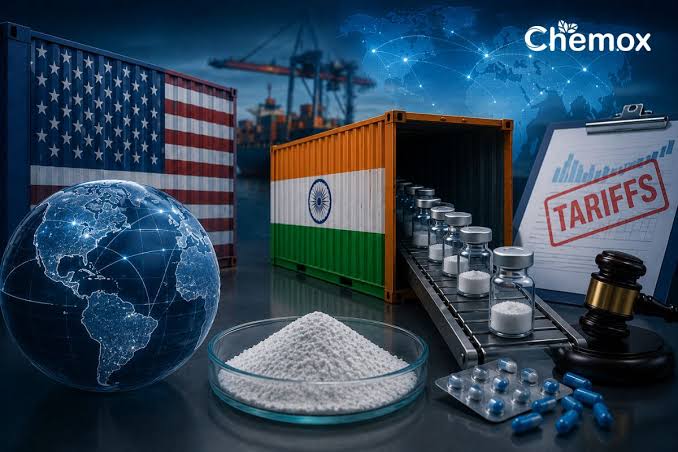
In April 2026, a proclamation under Section 232 introduced tariffs of up to 100% on certain patented pharmaceutical imports, marking one of the most significant pharmaceutical trade policy developments of the year. Companies affected by the policy face compliance deadlines and must evaluate how the new tariff environment could influence procurement strategies, manufacturing decisions, and long-term supply chain planning.
For pharmaceutical manufacturers, API suppliers, distributors, and procurement professionals, understanding the implications of this policy is essential for managing future sourcing risks.
Understanding Section 232
Section 232 allows the United States government to investigate imports that may affect national security and, where appropriate, introduce trade measures.
These measures may include:
Import tariffs
Trade restrictions
Supply chain reviews
Domestic manufacturing incentives
Strategic sourcing policies
Such actions can reshape procurement decisions across industries, including pharmaceuticals and healthcare.
Potential Impact on Pharmaceutical Supply Chains
Higher import tariffs can influence pharmaceutical operations in several ways.
Potential impacts include:
Increased procurement costs
Higher medicine prices
Supply chain restructuring
Regional manufacturing expansion
Greater supplier diversification
Long-term contract renegotiation
Companies that rely heavily on imported patented medicines or pharmaceutical ingredients may need to review sourcing strategies and assess alternative manufacturing locations.
Pharmaceutical procurement teams should monitor policy developments while strengthening supply chain resilience.
Key priorities include:
Reviewing supplier exposure
Diversifying sourcing regions
Evaluating contract flexibility
Monitoring regulatory changes
Assessing inventory strategies
Strengthening supplier relationships
Early planning helps reduce disruption if trade policies continue to evolve.
The Growing Importance of Supply Chain Resilience
The pharmaceutical industry has increasingly recognized that resilient supply chains are just as important as competitive pricing.
Organizations are investing in:
Multi-source procurement
Regional manufacturing partnerships
Strategic inventory management
Supply chain risk monitoring
Digital procurement systems
Supplier qualification programs
These initiatives help reduce dependence on a single supplier or geographic region.
Looking Ahead
Trade policy is expected to remain an important factor shaping pharmaceutical procurement in the coming years. Whether through tariffs, regulatory changes, or industrial policy initiatives, governments are placing greater emphasis on domestic manufacturing and supply chain security.
For procurement professionals, maintaining supplier diversification, monitoring regulatory developments, and building flexible sourcing strategies will remain essential for ensuring business continuity and long-term competitiveness.
Key Takeaways
Trade policy is becoming a major driver of pharmaceutical procurement decisions.
Tariffs can significantly influence sourcing costs and supply chain strategies.