6PPD-Quinone Salmon Toxicity Drives Rubber Chemical Reformulation
The transformation of 6PPD into 6PPD-quinone has become a major concern for the tire and rubber industry because of its link to acute salmon mortality. The issue is pushing manufacturers and chemical suppliers to reconsider how specialty additives deliver durability while reducing environmental risks.
For procurement teams, the development goes beyond one rubber additive. It could influence formulation strategies, supplier qualification, testing requirements and demand for alternative materials across the global rubber chemicals supply chain.
The challenge is particularly significant for tire manufacturers because rubber formulations must meet demanding performance requirements. Any replacement approach needs to balance environmental considerations with tire longevity, resistance to degradation and manufacturing consistency.
Why 6PPD-Quinone Is Changing Rubber Formulation Priorities
6PPD, a specialty chemical used in tire and rubber applications, plays an important role in protecting rubber compounds from degradation. Its transformation into 6PPD-quinone has brought environmental toxicity into sharper focus, particularly because of the compound's connection with acute salmon mortality.
This creates a difficult formulation challenge. Manufacturers cannot simply remove a performance-enhancing additive without considering the impact on tire service life and the protection of rubber against environmental stress.
The situation is therefore driving greater attention toward the entire chemical formulation rather than focusing only on a single ingredient.
For chemical buyers, this shift may increase interest in:
Alternative antioxidants and antidegradants that can provide protection with different environmental profiles.
Specialty rubber additives designed to maintain durability while supporting evolving sustainability requirements.
Formulation testing chemicals needed to assess the performance of replacement systems.
Established rubber chemicals such as zinc oxide and other formulation components that may become part of redesigned additive packages.
How Tire Manufacturers Face the Reformulation Challenge
Tire formulations involve multiple chemicals that work together to deliver specific mechanical and protective properties. Changing one component can affect processing behavior, aging resistance, product performance and manufacturing economics.
That makes reformulation a technical and commercial exercise. Manufacturers need to determine whether an alternative can provide sufficient protection while remaining compatible with existing production processes.
The procurement function also becomes more important during this transition. Buyers may need to work more closely with research and development teams to evaluate whether new materials can move from laboratory testing to commercial production.
A successful reformulation strategy may require manufacturers to examine:
Performance requirements: The replacement must support the durability expected from the finished rubber product.
Chemical compatibility: New additives must work effectively with other formulation components.
Supply availability: A technically suitable chemical has limited value if suppliers cannot provide dependable commercial volumes.
Cost structure: Reformulation can change the cost of raw materials and manufacturing.
Regulatory expectations: Environmental concerns can influence future purchasing specifications and product development decisions.

What 6PPD-Quinone Means for Rubber Chemical Suppliers
The pressure surrounding 6PPD-quinone creates an opportunity for specialty chemical suppliers that can support manufacturers through formulation changes. Suppliers may increasingly need to demonstrate not only product availability but also technical consistency and suitability for demanding rubber applications.
For traders, this can change how products are positioned in the market. Buyers may place greater emphasis on technical documentation, reliable specifications and continuity of supply when evaluating potential alternatives.
The shift could also encourage suppliers to expand their portfolios. Companies with expertise across antioxidants, antidegradants, accelerators, activators and other rubber additives may have an advantage when customers seek complete formulation solutions rather than individual products.
Chemical traders can strengthen their position by maintaining clear information on:
Product specifications and grades
Origin and manufacturing capacity
Packaging and shipment options
Batch consistency
Technical documentation
Lead times and supply continuity
Compatibility with common rubber formulations
Procurement Risks Are Moving Beyond Price
Price remains an important factor in chemical purchasing, but environmental concerns can change the meaning of procurement risk. A low-cost additive may become commercially challenging if manufacturers face pressure to reformulate products or meet changing environmental expectations.
The 6PPD-quinone issue demonstrates why procurement teams increasingly need visibility into the longer-term suitability of chemical inputs.
A procurement manager evaluating rubber chemicals may therefore consider several questions at once. Is the material available from multiple suppliers? Can the supplier support consistent quality? Will the chemical remain suitable as formulation requirements evolve?
Supplier diversification can also become more valuable. Maintaining relationships with multiple qualified sources can reduce the risk of disruption when a formulation component faces technical, environmental or market pressure.
The Search for Alternative Rubber Chemicals
The drive toward reformulation does not automatically point to one universal replacement for 6PPD. Rubber products operate under different performance conditions, so manufacturers may pursue different additive combinations depending on their formulation requirements.
This creates a broader market for specialty chemical development. Instead of replacing one product on a simple one-for-one basis, manufacturers may investigate systems that combine multiple ingredients to achieve the required protection.
The commercial implications could extend to both established and emerging rubber chemicals. Products that were previously secondary components may receive greater attention if they help manufacturers optimize performance while addressing environmental concerns.
For suppliers and traders, this creates a need to monitor formulation research closely. Demand can shift quickly when a major downstream industry begins reconsidering a widely used chemical input.
Why Zinc Oxide and Other Rubber Chemicals Still Matter
Reformulation discussions often focus on the chemical receiving the greatest environmental attention, but rubber production depends on a broader network of ingredients. Zinc oxide, for example, remains an important material in rubber compounding and can support vulcanization systems alongside other formulation chemicals.
The commercial importance of such materials comes from their role within complete formulations. A change in one additive can influence the relative importance, dosage or compatibility requirements of other components.
For chemical buyers, this means that 6PPD-quinone-related reformulation should not be viewed as an isolated purchasing issue. It can influence specifications and sourcing decisions across several categories of rubber chemicals.
How the Supply Chain Could Respond
The global rubber chemical supply chain may need to become more responsive as manufacturers test alternative formulations. Chemical suppliers that can provide stable quality and dependable logistics can become valuable partners during development and scale-up.
Procurement teams can prepare by strengthening supplier evaluation before a formulation change becomes urgent.
Key priorities include:
Build qualified alternatives: Identify potential substitutes and complementary chemicals before supply pressure increases.
Maintain multiple sources: Reduce dependence on a single producer or geographic supply route.
Track technical specifications: Small differences between grades can influence formulation performance.
Coordinate with technical teams: Procurement decisions should reflect laboratory and production requirements.
Review logistics: Lead times, shipping conditions and regional availability can affect the commercial viability of alternatives.
This approach can help buyers avoid making rushed purchasing decisions when manufacturers need to respond quickly to environmental or regulatory developments.
What This Means for Global Rubber Chemical Trade
The 6PPD-quinone issue illustrates how environmental concerns can reshape established chemical markets. When a widely used formulation component faces scrutiny, demand does not necessarily disappear immediately. Instead, purchasing priorities can gradually move toward alternatives, reformulation support and materials with stronger environmental profiles.
For exporters and importers, this transition can create both opportunities and risks. Suppliers that understand the technical needs of tire manufacturers may find new demand for specialty additives, while companies heavily dependent on one formulation chemical may face changing customer requirements.
The market may also become more differentiated. Buyers could place greater value on suppliers that offer technical consistency, transparent product information and reliable international supply rather than competing solely on price.
The Bottom Line for Rubber Procurement Teams
6PPD-quinone has turned environmental performance into a more urgent consideration for tire and rubber chemical sourcing. Its link to acute salmon mortality is driving reformulation efforts and encouraging manufacturers to reassess how they balance rubber protection, product performance and environmental concerns.
For procurement managers, the priority should be preparedness. Building relationships with qualified suppliers, monitoring alternative rubber chemicals and understanding the wider formulation impact can help companies respond more effectively as the industry evolves.
Chemical traders also have an opportunity to support this transition by providing dependable supply, clear specifications and access to a broader portfolio of rubber formulation materials. As manufacturers continue evaluating their options, sourcing strategies will increasingly need to account for both technical performance and environmental expectations.
Ready to source Zinc Oxide (99.7%) - China from verified global suppliers? Explore competitive offers on our platform today.
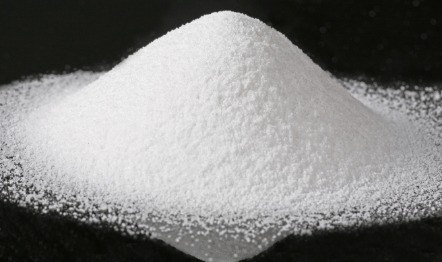
Zinc Oxide
Found this useful?