8.5 Million Barrels Crossed Hormuz: What Resilient Transit Means for Chemical Feedstocks
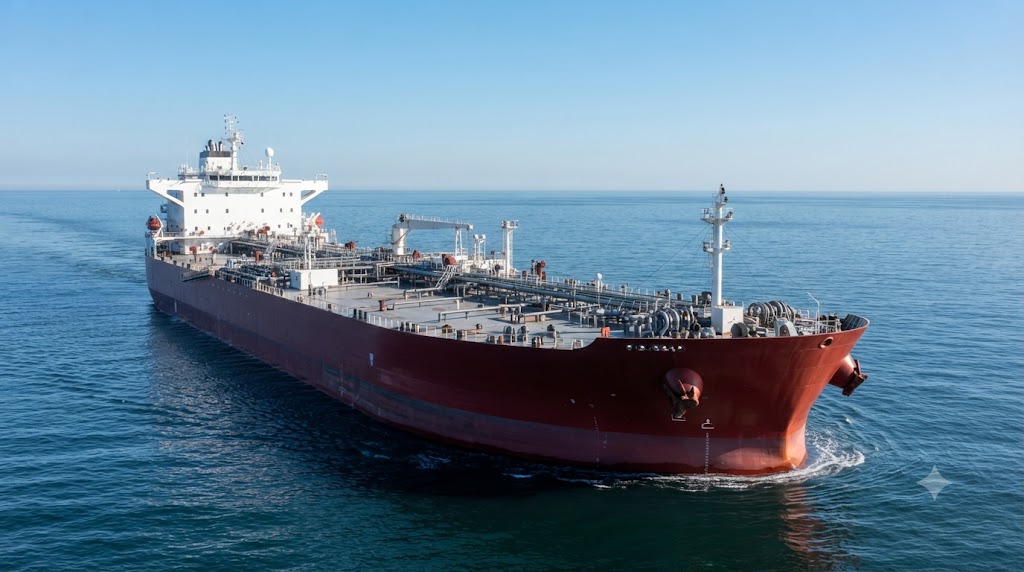
Despite ongoing regional hostilities, a staggering 8.5 million barrels of oil successfully transited the Strait of Hormuz on a single Sunday. The US Energy Department confirmed this specific figure to CNBC. This highlights a surprising level of operational resilience in one of the world's most critical maritime chokepoints. For chemical traders and procurement managers, this data point provides a crucial reality check. The continuous flow of crude oil and naphtha means that global petrochemical feedstock supply chains remain fundamentally intact. This occurs even amidst severe geopolitical chaos and market anxiety. Buyers must now balance this reassuring transit volume against the persistent risk premiums inflating freight and insurance costs. Understanding this complex dynamic is essential for making informed sourcing decisions in volatile commodity markets. Strategic planning must account for both the physical availability of materials and the financial volatility of their transport.
The Significance of 8.5 Million Barrels in Daily Transit
This volume represents a substantial portion of global daily oil consumption. The Strait of Hormuz typically handles about 20 percent of the world's petroleum liquids. Maintaining this flow prevents an immediate physical shortage of key chemical building blocks. Naphtha and ethane shipments continue to reach cracking facilities in Asia and Europe without total interruption.
Market participants initially feared a complete blockade would halt all maritime traffic. The actual data proves that commercial vessels are still navigating the corridor successfully. This physical availability prevents the most extreme supply shock scenarios from materializing in the short term.
However, the psychological impact of the hostilities continues to distort pricing mechanisms. Traders react to headlines and perceived threats rather than just physical inventory levels. This creates a persistent gap between actual supply and market valuation. Chemical buyers must separate genuine supply constraints from speculative market noise. Understanding this distinction is critical for avoiding panic buying or overpaying for perceived scarcity.
How Resilient Transit Affects Petrochemical Feedstock Pricing
Physical supply stability does not equate to price stability. Traders price in risk long before physical shortages actually occur. The mere threat of disruption keeps a volatility premium embedded in crude and naphtha futures contracts.
Chemical manufacturers face a dual challenge in this environment. They must secure physical cargo while managing inflated input costs. Naphtha crack spreads remain elevated as refiners demand higher margins to justify the operational risk of Gulf exports. Refiners may also choose to maximize gasoline yields over chemical feedstocks during summer demand peaks.
This dynamic directly translates to higher ex-works prices for downstream derivatives. Producers of ethylene, propylene and benzene pass these elevated feedstock costs directly to their customers. Buyers of polyethylene and polypropylene will see these increases reflected in monthly contract settlements.
Procurement teams cannot rely solely on historical spot market indicators. Contract negotiations must explicitly address how geopolitical risk premiums are calculated. Buyers and sellers need transparent mechanisms to share this volatility. Fixed-price agreements leave buyers exposed to sudden market spikes during periods of tension.
Freight and Insurance Realities in a High-Risk Corridor
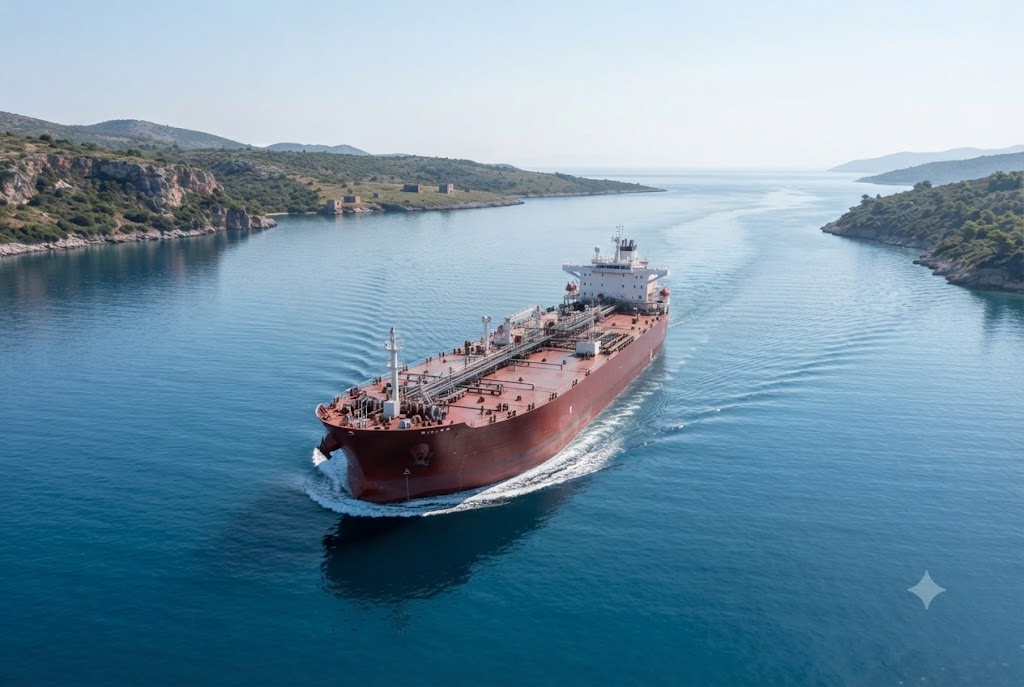
While vessels are moving, the cost of moving them has skyrocketed. Marine insurance underwriters have drastically increased war risk premiums for the entire region. The Joint War Committee frequently updates its listed areas of heightened risk based on real-time intelligence.
Shipping lines pass these additional costs directly to chemical shippers. Emergency risk surcharges are now standard on most Gulf export routes. This creates a significant divergence between FOB prices and final delivered costs.
Key logistics impacts include:
Elevated charter rates: Tanker owners demand higher compensation for navigating contested waters. This reduces the overall availability of vessels for specialized chemical transport.
Extended transit times: Some operators choose safer but longer routes. This delays inventory replenishment and increases working capital requirements for buyers.
Strict compliance checks: Insurers require detailed voyage plans and continuous AIS transponder operation. Any deviation can void coverage and immediately halt shipments.
Demurrage risks: Port congestion and security inspections cause unpredictable delays. Buyers may face steep penalties if vessels cannot discharge cargo within the agreed laytime.
Regional Market Divergence in Chemical Availability
The steady flow of 8.5 million barrels benefits certain regions more than others. Asian markets rely heavily on seaborne naphtha imports from the Middle East. Continued transit ensures their steam crackers receive necessary feedstock to maintain operating rates.
European buyers face a different reality. They depend on a complex mix of pipeline and seaborne supplies. Any delay in Hormuz transit compounds existing logistical bottlenecks in the Red Sea and Suez Canal.
North American producers maintain a distinct geographic advantage. Their access to domestic shale gas provides a natural hedge against Middle Eastern maritime volatility. This insulation allows them to offer more stable pricing to global buyers seeking reliable alternatives.
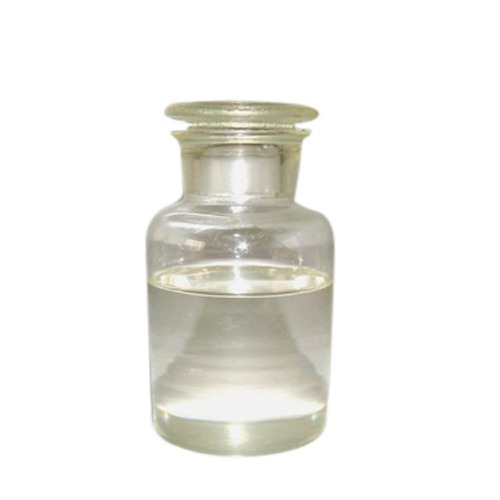
Specific chemical markets feel this divergence acutely. Methanol exporters face logistical hurdles despite abundant natural gas feedstocks. Styrene monomer supplies tighten as both benzene and ethylene inputs face compounded cost pressures from the disrupted trade flows.
Strategic Sourcing Adjustments for Procurement Teams
Chemical buyers must adapt their strategies to this new normal of resilient but expensive transit. Relying on historical pricing models is no longer sufficient for effective budget management.
Recommended tactical adjustments include:
Diversify supplier geography: Qualify alternative sources in North America or Europe. This reduces exposure to a single maritime chokepoint and provides backup options during regional crises.
Renegotiate Incoterms: Shift from FOB to CIF terms where possible. This transfers the freight and insurance risk to the supplier during the most vulnerable transit phases.
Build strategic inventory buffers: Holding additional safety stock protects against sudden delivery delays. The carrying cost of extra inventory is often far lower than the cost of a production halt.
Implement flexible contract structures: Use hybrid pricing models that share feedstock volatility risk transparently. This prevents sudden financial shocks when geopolitical events trigger price spikes.
Enhance supply chain visibility: Utilize advanced tracking technologies to monitor vessel locations in real time. This allows procurement teams to anticipate delays and activate contingency plans proactively.
Procurement professionals must also enhance their supply chain mapping. You need visibility into the raw material sources of your direct vendors. A supplier might appear geographically safe while relying entirely on disrupted feedstock corridors.
The Bottom Line for Procurement Teams
The confirmation that 8.5 million barrels crossed the Strait of Hormuz on a single Sunday is a vital market signal. It proves that physical supply chains possess remarkable durability even under extreme geopolitical pressure.
However, durability does not mean immunity from financial impact. Procurement professionals must remain vigilant and proactive. They must monitor freight surcharges, insurance requirements and supplier contingency plans on a daily basis.
The organizations that thrive in this environment will be those that proactively diversify their supply networks. Building resilient sourcing strategies today ensures operational continuity tomorrow. Do not wait for the next headline to dictate your procurement strategy. Take control of your supply chain resilience now.
Ready to source commodity chemicals from verified global suppliers? Explore competitive offers on our platform today.
Styrene Monomer
Found this useful?