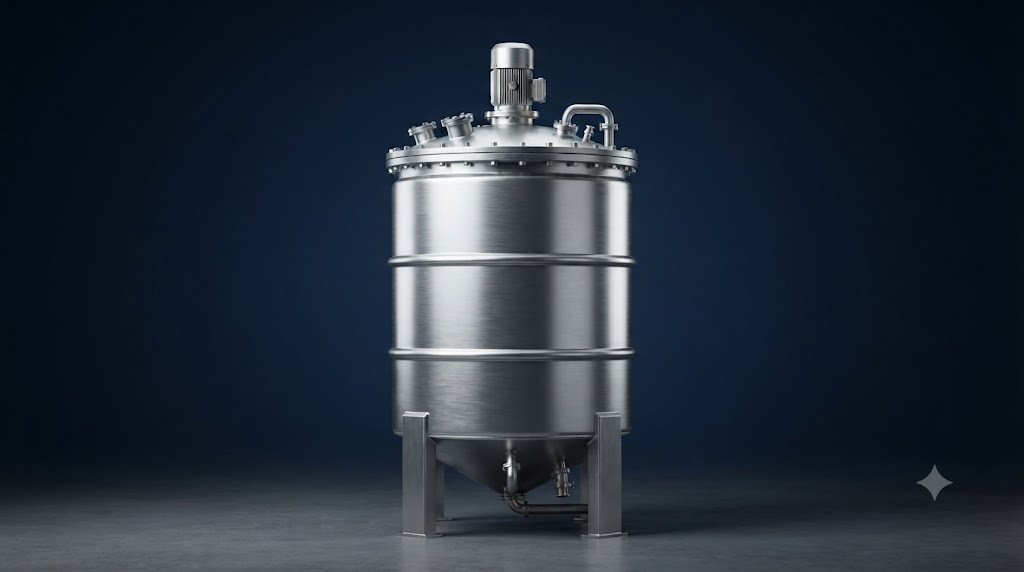
BASF's Düsseldorf Plant Strengthens European Personal Care Ingredient Supply
BASF has inaugurated a new production plant in Düsseldorf dedicated to specialty emollients, ingredients used mainly in skin care and sun care formulations. The investment sits in the mid double digit million euro range and follows a two year construction period. For personal care buyers across Europe, the plant matters as much for where it sits as for what it produces.
Emollients bind and help retain moisture in skin while improving the sensory feel of a finished formulation. They are a foundational ingredient category for skin care and sun protection products, and demand has been climbing as brands push for more differentiated formulation performance.
Why BASF Chose Düsseldorf
Düsseldorf is already BASF's third largest site in Europe and its largest global location for cosmetic ingredient development. Siting new emollients capacity there keeps production close to the company's major European customer base rather than adding a new node to the supply network.
That proximity carries real logistics weight. Germany's central European location and well developed chemical transport infrastructure make it an efficient hub for distributing formulation ingredients across the continent, cutting transit time to major personal care manufacturing centers in Western and Central Europe.
The site sits within BASF's broader Rhine region manufacturing footprint, offering potential logistics synergies with existing operations rather than standalone infrastructure.
Düsseldorf already hosts end to end research and development work, including formulation, fragrance creation and packaging design, alongside the new production capacity.
Local site leadership and BASF's Care Chemicals division jointly marked the opening with customers, regional government and industry associations in attendance.
What the New Capacity Actually Adds
The plant expands BASF's ability to produce specialty emollients based on renewable raw materials, aligning with a broader shift in personal care formulation toward more sustainable ingredient sourcing.
Sven Crone, who oversees global production for BASF's Care Chemicals division, called the expansion one of the clearest signals of the company's commitment to the Düsseldorf site's long term competitiveness.

Renewable raw material sourcing is central to the plant's positioning, tying into growing formulator demand for lower carbon footprint ingredients.
The site already offers one of the industry's most comprehensive emollients portfolios, and the expansion reinforces that breadth rather than starting a new product line.
Agus Ciputra, head of BASF's global Personal Care business unit, framed the investment as building technical expertise as much as physical capacity.
How This Fits BASF's Broader Personal Care Strategy
The Düsseldorf expansion is not an isolated move. BASF has been reshaping its personal care portfolio to concentrate on higher margin specialty categories, a shift that included selling its optical brightener business used in laundry detergents late last year.
Emollients sit squarely in the higher value specialty category BASF is prioritizing. Concentrating renewable emollients capacity at its most established cosmetic ingredients hub signals where the company sees durable growth within personal care chemicals.
What This Means for European Formulators and Buyers
For procurement teams sourcing emollients across Europe, a centrally located, high capacity production site reduces several of the logistics risks that come with longer or more fragmented supply chains.
Shorter transit distances lower the chance of formulation ingredient delays reaching manufacturing sites across Western and Central Europe.
A single, well established production hub simplifies quality consistency compared with sourcing the same ingredient category from multiple smaller or more distant sites.
Renewable raw material sourcing at scale may give formulators an easier path to meeting their own sustainability claims without switching suppliers.
Buyers already working with BASF's Care Chemicals division should expect the Düsseldorf expansion to support existing supply commitments rather than introduce a new ingredient family to evaluate from scratch.
The Bottom Line for Personal Care Procurement Teams
BASF's decision to expand emollients capacity at its most established European cosmetic ingredients site reflects a straightforward logistics logic. Keeping specialty production close to the customer base it serves reduces transit risk and reinforces supply reliability at a time when personal care brands are pushing harder on both formulation performance and sustainability credentials.
For buyers evaluating emollient suppliers across Europe, the Düsseldorf plant adds a meaningful data point when weighing production stability, transport efficiency and renewable sourcing credentials against other regional options.
Ready to source cetyl palmitate from verified global suppliers? Explore competitive offers on our platform today.

Cetyl Palmitate
Found this useful?