Biobased Chemicals Face Their "Roughest Year Yet" in 2026 — Here's Why Feedstock Supply, Not Demand, Is the Bottleneck
Biobased Chemicals Face Their "Roughest Year Yet" in 2026 — Here's Why Feedstock Supply, Not Demand, Is the Bottleneck
Biobased chemicals are entering one of their most difficult years in recent memory. C&EN’s 2026 outlook describes a “fraught” environment in which new technology platforms continue to emerge and some companies begin to produce meaningful volumes, yet an uncertain policy backdrop—particularly in the United States—and weaker corporate sustainability pull are scaring off investors. Start-ups and projects that depend on supportive subsidies or on strong brand-driven demand for green credentials are under pressure. The companies most likely to survive, according to industry voices, are those whose business cases benefit from policy support but do not require it.
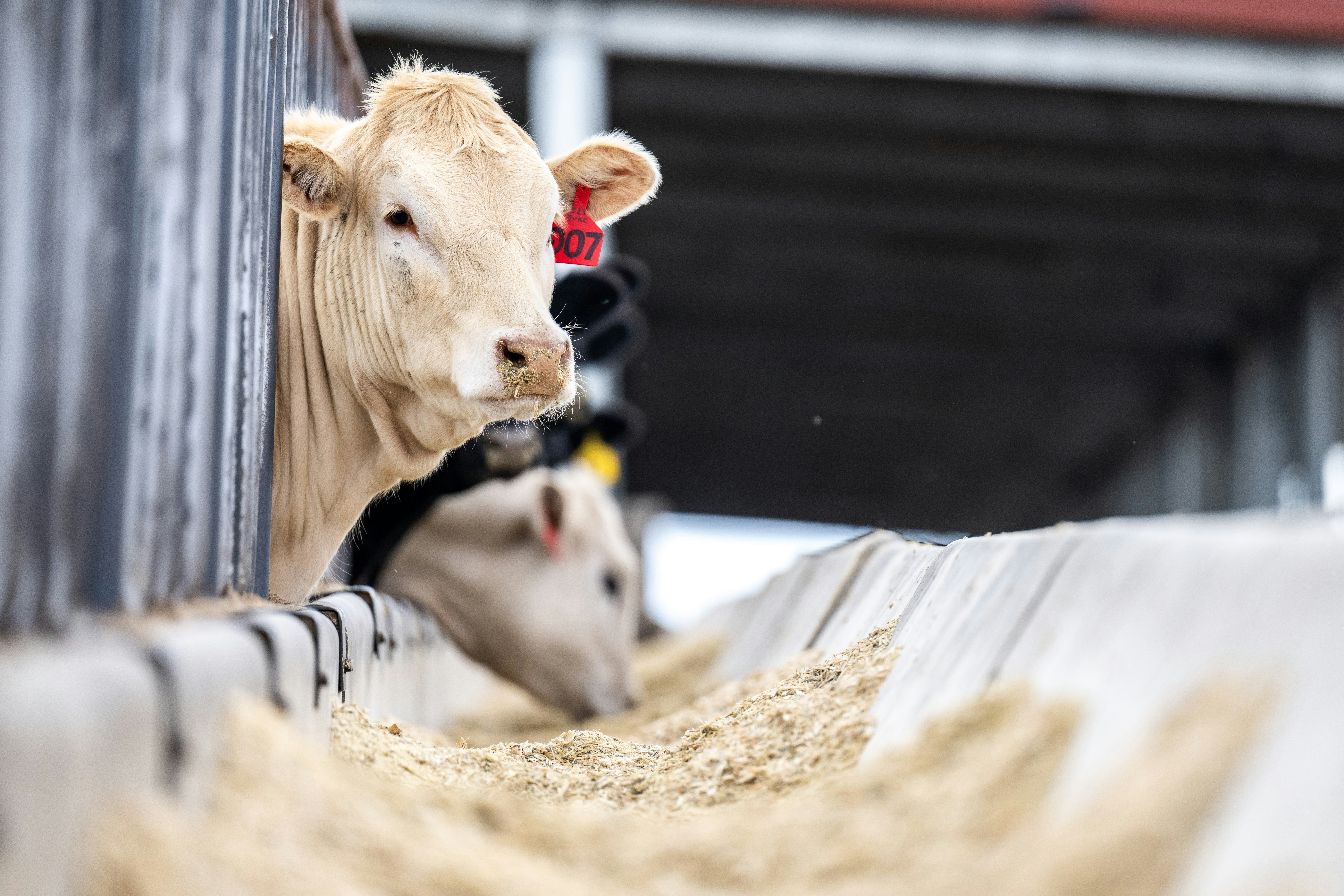
Beneath the policy and sentiment noise lies a more structural constraint: feedstock. A large share of today’s biofuels and many early biobased chemicals rely on used vegetable oils and similar lipids. That supply is already largely spoken for. Scaling genuinely new biobased chemistries therefore depends on next-generation feedstocks—lignocellulosic biomass, municipal and agricultural wastes, and eventually captured CO₂—that remain commercially immature. Demand for lower-carbon and bio-based molecules exists; the binding limit is the volume of sustainable, non-food, non-contested feedstock that can be mobilised at acceptable cost and reliability.
Policy and Investment Headwinds
The US policy environment has shifted away from the high-support stance that underpinned many cleantech investment theses. Consumer-facing companies that had leaned into biobased ingredients as part of public sustainability commitments have, in some cases, moderated those goals. The result is a winnowing period: projects with fragile economics or heavy dependence on subsidies face delay or cancellation, while better-capitalised or more cost-competitive platforms continue to advance.
Jim Flatt, CEO of DMC Biotechnologies, has characterised the year as likely to be rough for many commercialising biobased chemicals and fuels. He has long argued that business plans should be able to benefit from subsidies without requiring them—an approach that separates the ventures most likely to endure from those most exposed to policy swings. Biobased chemicals, which generally enjoy fewer direct federal fuel subsidies than biofuels, may prove relatively more resilient on that dimension, provided they can clear the feedstock and cost hurdles.
The Feedstock Bottleneck
Most established biofuel pathways and a significant share of early biobased chemical production still depend on used cooking oil, animal fats and other lipid feedstocks. Those streams are finite. As renewable diesel and sustainable aviation fuel capacity has expanded, competition for the same molecules has intensified. Once the readily available used-oil pool is contracted, additional volume does not appear simply because a new chemical process needs it.
Food-crop-based routes face their own constraints—land-use concerns, food-versus-fuel politics and price volatility. That leaves the industry’s longer-term scale-up dependent on feedstocks that are abundant in principle but still difficult in practice: agricultural and forestry residues, municipal solid waste, and carbon oxides from industrial or direct-air sources. Conversion technologies for these streams exist at pilot and early commercial scale; few have yet demonstrated the combination of yield, uptime, logistics cost and capital intensity required for broad deployment.
Until those next-generation feedstock systems mature, biobased chemical growth will be capped not by lack of customer interest but by lack of molecules that can be sourced without competing directly with fuels or food.
Technology Progress Amid the Squeeze
The difficult investment climate has not stopped technical progress. Companies continue to advance fermentation, catalytic and hybrid routes to specialty and intermediate chemicals. Some are beginning to sell at hundreds or thousands of tonnes in selected markets—nutraceuticals, cleaning ingredients and other higher-value niches where performance and sustainability attributes can support better margins. These beachheads matter: they generate revenue, operating data and customer relationships that can fund the next scale-up step.
What they do not yet do is solve the bulk-feedstock problem. Specialty volumes can often be served with existing or modestly expanded lipid or sugar supply. Commodity-scale biobased chemicals cannot. The industry’s ability to move from niche to material displacement of fossil incumbents hinges on unlocking cheaper, more scalable, non-contested biomass and waste streams.
Implications for Producers, Buyers and Policymakers
For biobased chemical producers, the 2026 environment rewards cost discipline, feedstock flexibility and business models that can withstand policy volatility. Dependence on a single subsidised fuel market or on a single contested feedstock increases risk. For buyers seeking biobased content, the message is to prioritise suppliers with transparent, defensible feedstock strategies and to recognise that rapid volume growth may be constrained by supply rather than by willingness to purchase.
Policymakers who want biobased chemicals to scale have a dual task: maintain a stable enough investment framework that capital does not exit the sector, and accelerate the commercialisation of next-generation feedstock collection, pre-treatment and conversion systems. Without the latter, even strong demand signals will run into a physical ceiling.
Outlook
Biobased chemicals face a fraught 2026 in which policy uncertainty and softer sustainability marketing are deterring investment even as technology platforms continue to mature. The deeper constraint is feedstock. Used oils and similar lipids are already heavily committed; food-based routes carry their own limits; and lignocellulosic, waste and CO₂-based pathways are not yet ready to supply the volumes required for large-scale displacement of fossil chemicals. The companies that navigate the year successfully will be those that can operate without relying on subsidies, that secure resilient feedstock positions, and that treat next-generation biomass and waste as strategic necessities rather than distant options. Demand is not the primary bottleneck. Sustainable supply is.
Sources

Ascorbic Acid
Found this useful?