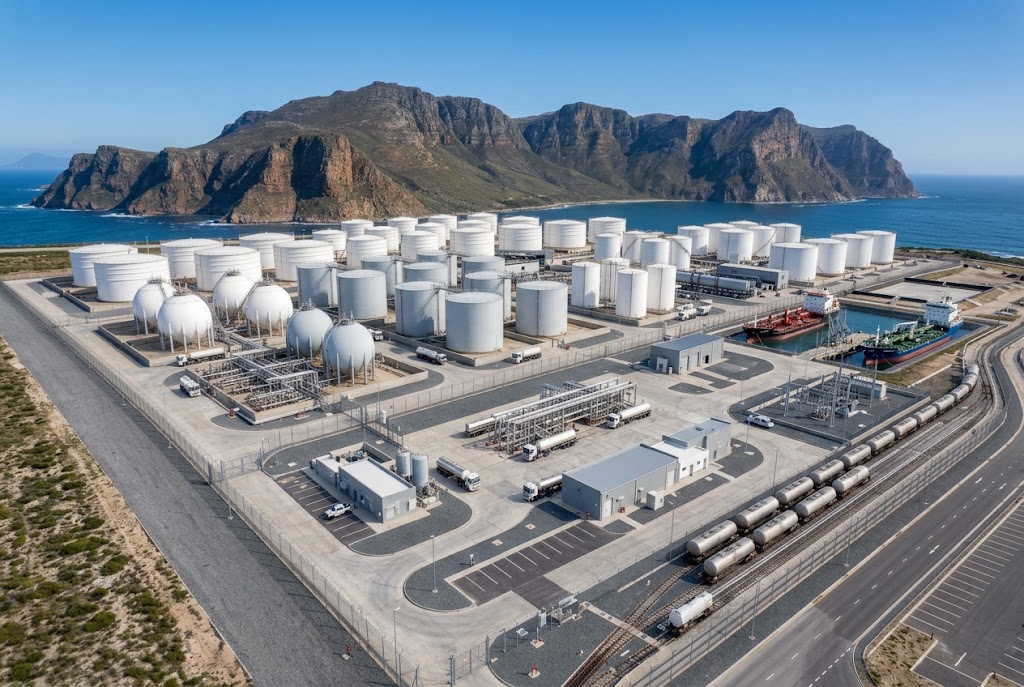
The chemical industry is undergoing a massive structural shift in inventory management. Pre-crisis best practices favored 15 to 30 day inventory coverage driven by just-in-time efficiency. The recent Hormuz Strait closure forced a rapid reversal toward 60 to 90 day safety stocks for critical materials. This transition now ties up €8.2 billion in working capital across the sector.
The Shift from Just-In-Time to 90-Day Buffer Stocks
Just-in-time inventory models dominated chemical procurement for decades. Companies optimized their balance sheets by minimizing on-site storage. This approach relied heavily on predictable global shipping lanes and stable geopolitical conditions.
The Hormuz disruption shattered these foundational assumptions. Supply chain leaders immediately recognized the severe vulnerability of lean inventory systems. They initiated a rapid pivot toward holding 60 to 90 days of safety stock for critical feedstocks.
BASF provides a clear example of this industry-wide trend. The company increased its feedstock and intermediate inventory from €4.2 billion to €6.8 billion between the first and second quarters of 2026. This €2.6 billion increase reflects a fundamental change in operational philosophy.
Major Industry Players Adjust Working Capital
Other global chemical giants followed similar strategic paths to protect their operations. Dow added €1.9 billion in working capital to secure its supply chains against future disruptions. This capital injection ensures continuous production even during extended shipping delays.
Asian buyers of Gulf aromatics also transformed their storage strategies dramatically. These purchasers increased their tank storage leases by 2.3 million cubic meters. This massive expansion secures physical capacity for the incoming buffer stocks.
These moves highlight a universal pivot toward supply chain resilience. Market leaders are willing to absorb higher carrying costs to guarantee production continuity. The industry focus has shifted from pure cost reduction to absolute operational reliability.
The €8.2 Billion Opportunity Cost
This working capital shift represents a massive opportunity cost for the entire chemical sector. The €8.2 billion tied up in extra inventory carries significant financial implications. Capital allocated to physical storage cannot be deployed elsewhere in the business.
Funds locked in inventory could have supported vital decarbonization initiatives. Chemical manufacturers face intense regulatory pressure to reduce their carbon footprints. Green chemistry projects now compete directly with basic supply chain security for limited funding.
Research and development programs also face severe funding constraints. Innovation pipelines require steady capital investment to yield new high-margin products. Shareholder returns remain under pressure as cash flow performance softens across the broader sector.
The Resilience Versus Efficiency Trade-Off for CFOs
Chief financial officers now face a difficult strategic articulation challenge. They must defend 2026 cash flow performance to skeptical institutional investors. The corporate narrative has shifted from lean operations to robust risk mitigation.
Investors increasingly accept higher inventory costs as a necessary business premium. The market recognizes that supply chain failures carry catastrophic financial penalties. A single production halt can easily erase years of operational efficiency gains.
CFOs must clearly communicate this resilience versus efficiency trade-off. They need to demonstrate that buffer stocks protect long-term enterprise value. Transparent reporting on inventory strategy builds investor confidence during volatile market periods.
Operational Challenges in Expanding Storage Capacity
Securing physical storage presents its own set of complex logistical hurdles. Tank farm availability remains exceptionally tight in major global chemical hubs. Ports like Rotterdam and Singapore experience unprecedented demand for specialized storage facilities.
Lease rates for chemical storage continue to climb steadily across all regions. Companies must negotiate long-term contracts to guarantee capacity at predictable prices. Short-term spot leases expose buyers to extreme and unpredictable market volatility.
Regulatory compliance adds another layer of complexity to storage expansion. Authorities enforce strict safety protocols for hazardous chemical storage facilities. Companies must invest heavily in facility upgrades to meet these evolving environmental standards.
Strategic Sourcing Adjustments for Procurement Teams
Procurement managers must adapt their purchasing rhythms to match this new reality. Bulk ordering now replaces frequent small deliveries across most product categories. This change requires significant adjustments in warehouse management and cash flow forecasting.
Supplier relationships require deeper collaboration on long-term demand forecasting. Buyers must share detailed production schedules with their primary vendors. This transparency helps suppliers plan their own manufacturing and logistics operations effectively.
Contract terms now prioritize guaranteed allocation over the lowest possible price. Procurement teams negotiate volume commitments that ensure priority access during market shortages. This strategic alignment protects the buyer from sudden and severe market shocks.
What Procurement Teams Need to Know Moving Forward
The era of ultra-lean chemical inventory is officially over. Organizations must build financial models that accommodate higher working capital requirements permanently. Strategic stockpiling of critical intermediates is now a core competitive advantage.
Buyers must evaluate suppliers based on their own inventory resilience metrics. A vendor with robust buffer stocks provides greater value than a cheaper but fragile alternative. Supply chain security is now a primary metric in all vendor selection processes.
Ready to source Styrene Monomer from verified global suppliers? Explore competitive offers on our platform today.
Sources
https://www.basf.com/global/en/media/news-releases/2026/08/p-26-301-inventory-strategy-update.html
https://www.dow.com/en-us/news/press-releases/2026/2026-q2-earnings-working-capital-investment.html
https://www.spglobal.com/commodityinsights/en/market-insights/latest-news/petrochemicals/2026-asian-aromatics-storage-lease-surge