
Dow’s Jake Remacle Wins the 2026 ACS National Chemical Technical Professional Award
A 28-year career in chemistry has earned Dow R&D technologist Jake Remacle one of the profession’s notable technical distinctions. Remacle won the 2026 ACS National Chemical Technical Professional Award, recognition that caps a professional journey he said he had no idea would prove so rewarding.
For chemical traders, procurement managers, importers, exporters and industry buyers, the recognition carries a broader message. Modern chemical manufacturing depends not only on major investments, new technologies and global supply chains, but also on the technical professionals who translate chemistry into reliable processes, materials and commercial outcomes.
Why the ACS Technical Professional Award Matters
The recognition of Jake Remacle puts technical expertise at the center of attention in an industry often dominated by discussions about capacity, pricing and technological investment. Chemical companies rely on experienced technical professionals to connect laboratory knowledge with practical manufacturing requirements.
That connection matters throughout the supply chain. A technically sound understanding of materials can influence product consistency, processing performance, quality control and the ability to solve problems when production conditions change.
For businesses purchasing chemical raw materials, this expertise can also affect supplier reliability. A supplier with strong technical capabilities may be better positioned to understand customer specifications, troubleshoot application issues and maintain consistent product performance.
Jake Remacle’s 28-Year Chemical Career
Remacle’s recognition follows a 28-year professional journey in chemistry. His statement that he had no idea the career would prove so rewarding adds a human dimension to an award centered on technical achievement.
Long careers in chemical R&D can create a valuable combination of scientific knowledge and practical experience. Professionals who spend decades working with materials, processes and technical challenges often develop an understanding that extends beyond individual laboratory experiments.
For the broader chemical industry, that experience represents an important form of institutional knowledge. Companies operating complex manufacturing and R&D environments need professionals who can understand both the science behind a material and the practical requirements involved in producing or applying it.
The Role of Technical Professionals in Chemical R&D
Chemical R&D depends on more than laboratory discovery. Technical professionals help convert scientific concepts into processes and products that can operate consistently at commercial scale.
Their work can involve evaluating materials, improving formulations, analyzing production behavior and resolving technical problems. These activities can directly influence efficiency, product quality and manufacturing continuity.
Technical specialists also operate at an important intersection between different business functions. Their knowledge can support:
Product development: Technical teams help translate chemical concepts into materials and formulations that meet defined performance requirements.
Process improvement: Practical technical knowledge can identify opportunities to improve production efficiency, consistency and reliability.
Quality management: Strong technical oversight supports closer control of specifications and material performance.
Customer support: Technical expertise helps suppliers understand how customers use chemical products and where application challenges may emerge.
Knowledge transfer: Experienced professionals can preserve and share operational knowledge across R&D and manufacturing teams.
For chemical buyers, these capabilities can become particularly important when sourcing materials with demanding specifications or specialized applications.

What Technical Recognition Means for Chemical Manufacturing
Awards such as the ACS National Chemical Technical Professional Award also highlight a wider shift in how the industry values technical capability. Chemical manufacturing increasingly requires specialists who can work across traditional boundaries between chemistry, engineering, production and product development.
Manufacturers face pressure to improve efficiency while maintaining quality and responding to changing customer requirements. Technical professionals can help companies address these demands by applying detailed knowledge of materials and processes.
This is particularly relevant to sectors such as plastics and polymers, where material performance depends on carefully controlled chemistry and processing conditions. Even small variations in raw materials or manufacturing parameters can influence the behavior of finished products.
The commercial impact can extend beyond the factory. Consistent technical performance can reduce disruptions for downstream manufacturers that depend on predictable raw material quality.
Why Technical Expertise Matters to Procurement Teams
Procurement teams frequently evaluate suppliers through price, availability, payment terms and logistics. Technical capability deserves similar attention, especially when the purchased material has a direct impact on manufacturing performance.
A low-cost material does not necessarily deliver the lowest overall procurement cost if inconsistent quality creates production problems. Technical support from a supplier can help buyers identify suitable grades, address quality concerns and reduce unnecessary disruptions.
When evaluating chemical suppliers, procurement teams can therefore consider factors such as:
Specification control: Does the supplier demonstrate consistent control over agreed material specifications?
Technical support: Can the supplier respond effectively to application or quality questions?
Production knowledge: Does the supplier understand the manufacturing conditions behind the product?
Documentation: Can the supplier provide clear technical and commercial documentation required for purchasing and import activities?
Long-term reliability: Does the supplier have the technical and operational capability to support repeat orders?
The value of these factors becomes clearer when purchasing materials that feed directly into high-volume manufacturing operations.
Chemical Industry Skills Are Becoming Strategic Assets
The chemical sector requires significant technical knowledge at every stage, from raw material development through manufacturing and downstream applications. Experienced specialists can help companies retain capabilities that may take years to develop.
Remacle’s 28-year career provides a useful example of how technical experience can accumulate into professional value. Recognition at this level also reinforces the idea that chemistry careers can create long-term contributions beyond individual projects.
For chemical companies, retaining technical professionals can therefore support more than employee continuity. It can protect practical knowledge about materials, equipment, processes and problem-solving methods.
That knowledge can become particularly valuable when companies introduce new technologies, modify production processes or enter unfamiliar markets. Experienced technical teams can help reduce the learning curve associated with these changes.
Implications for the Plastics and Polymers Supply Chain
The plastics and polymers sector illustrates why technical expertise remains important to commercial chemical markets. Polymer producers, converters and downstream manufacturers all depend on materials meeting specific performance requirements.
Procurement decisions can influence processing behavior, finished-product quality and manufacturing efficiency. Buyers therefore need to look beyond headline pricing when evaluating polymer suppliers and raw material sources.
A supplier that combines competitive commercial terms with strong technical capabilities can provide additional value. This can matter when buyers need consistent material performance across repeated shipments or when they are qualifying a new source.
The recognition of a Dow technical professional also highlights the broader connection between R&D and industrial supply chains. Research and technical work ultimately influence the materials that manufacturers purchase, process and sell.
What Buyers Can Take From the Award
For chemical traders and procurement professionals, the significance of Remacle’s recognition extends beyond one career achievement. It offers a reminder that technical knowledge remains closely connected to commercial performance in the chemical industry.
Buyers can use this perspective when assessing suppliers and negotiating sourcing arrangements. Technical capability should form part of supplier evaluation rather than remain separate from commercial decision-making.
This approach can help procurement teams ask more useful questions about a potential source. Instead of focusing only on price and availability, buyers can assess whether the supplier has the knowledge and infrastructure required to support consistent material quality.
For importers and exporters, the same principle applies. Strong technical understanding can help businesses communicate specifications accurately, manage customer expectations and identify suitable products for different applications.
The Bottom Line for Chemical Procurement Teams
Jake Remacle’s 2026 ACS National Chemical Technical Professional Award recognizes a 28-year chemical career and the contribution of technical expertise to the industry. His achievement also provides a broader reminder that chemistry professionals play an important role in connecting scientific knowledge with practical industrial performance.
For chemical buyers, that connection has direct commercial relevance. Supplier quality, technical support and product consistency can influence manufacturing outcomes just as significantly as price, freight costs and delivery schedules.
As chemical markets become more technically demanding, procurement teams that evaluate both commercial and technical capabilities can make stronger sourcing decisions. The value of experienced chemical professionals extends from the laboratory to the production line and ultimately to the global supply chain.
Ready to source High Density Polyethylene (HDPE) from verified global suppliers? Explore competitive offers on our platform today.
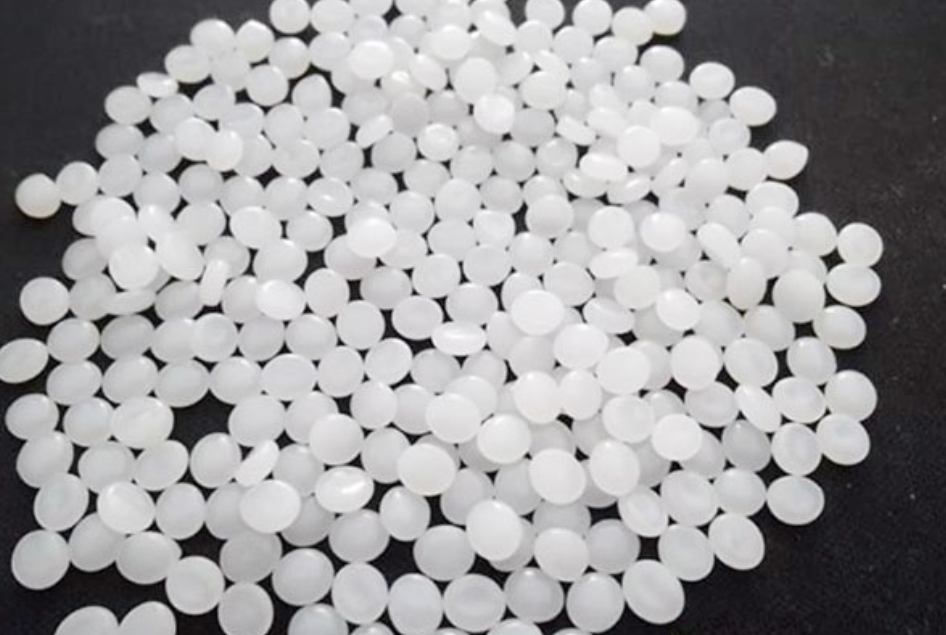
High Density Polyethylene (HDPE)
Found this useful?