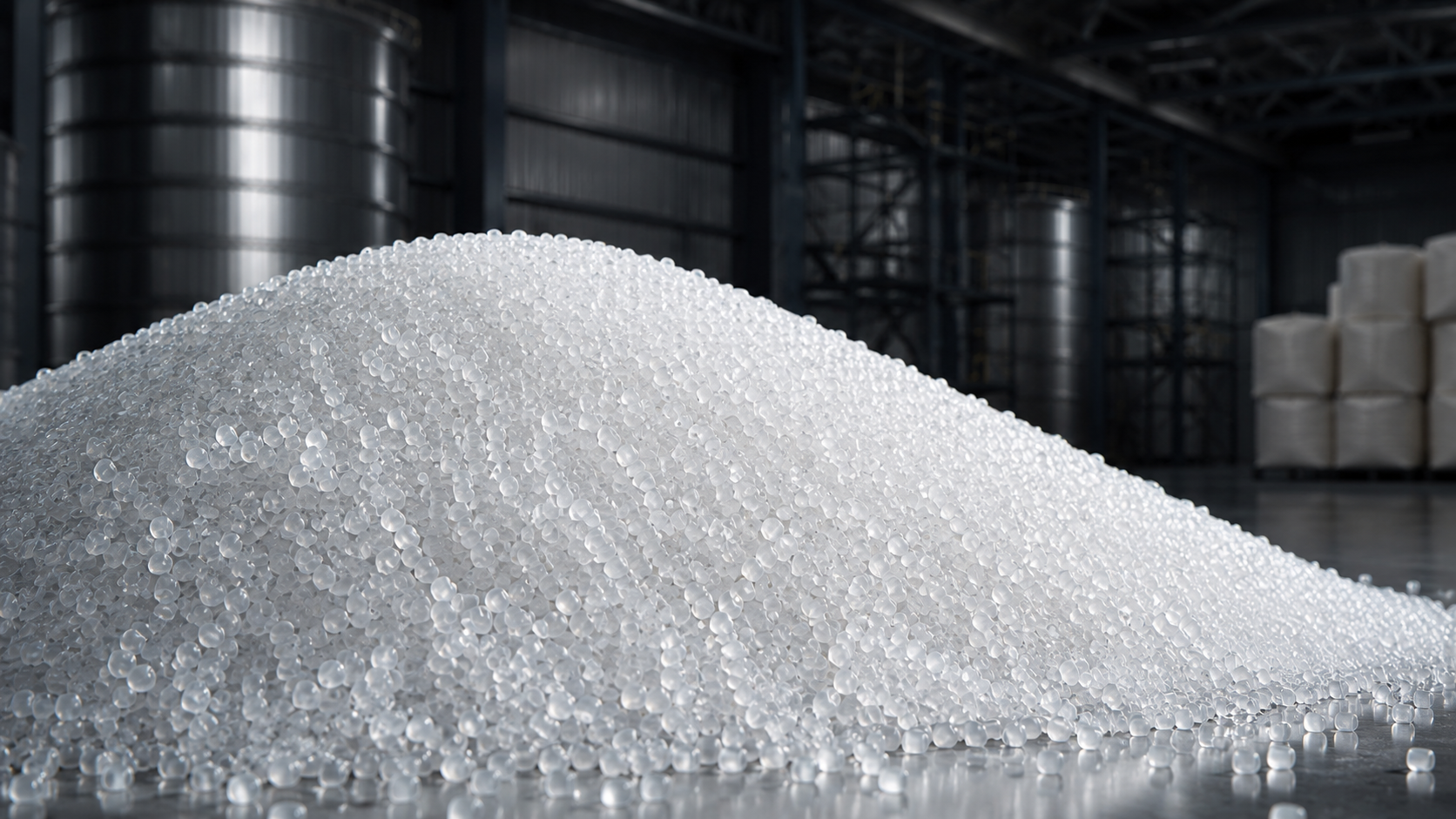
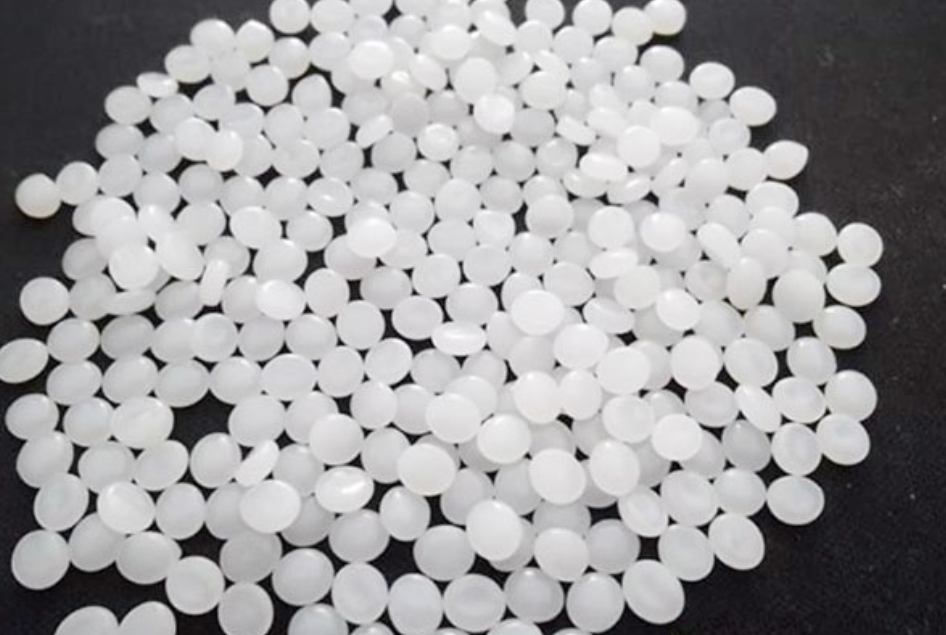
Global ethylene and polyethylene capacity is expanding faster than the market can absorb, creating one of the most persistent oversupply cycles in the petrochemical industry. The imbalance is placing sustained pressure on producer margins and forcing companies to reconsider capacity, operating rates and regional supply strategies.
Ethylene and polyethylene oversupply has become a defining market theme as new production continues to enter service while demand growth remains comparatively modest. Although plant closures in Asia and Europe could remove some capacity, the scale of global additions means the market may not return to healthier margins until 2028 or 2029.
Capacity Growth Is Outrunning Demand
The central problem is a widening gap between production capability and consumption. New ethylene crackers and polyethylene units have expanded global supply, particularly in regions where producers have invested heavily in integrated petrochemical complexes.
Polyethylene demand continues to grow through packaging, construction, consumer goods, agriculture and industrial applications. However, demand growth has not matched the pace of capacity expansion, leaving producers with more material to sell into an increasingly competitive market.
This imbalance creates several consequences:
Producers may operate plants at lower rates when inventories rise or margins fall below sustainable levels.
Sellers face stronger competition for export markets, particularly when domestic demand cannot absorb additional output.
Buyers gain greater negotiating leverage as multiple suppliers compete for the same contracts and destinations.
The result is a market where increased production does not automatically translate into stronger profitability. Even when polyethylene consumption expands, the addition of new capacity can keep supply comfortably ahead of demand.
Why Margins Could Stay Weak Through 2028–2029
Petrochemical margins typically recover when demand catches up with available production or when weaker capacity exits the market. The current oversupply cycle could take longer to unwind because the industry has added substantial capacity over several years.
Ethylene sits at the heart of the chain. It feeds the production of polyethylene and several other major petrochemicals, meaning excess ethylene capacity can influence multiple downstream markets.
Polyethylene producers then face additional pressure when new plants compete for feedstock and customers at the same time. This can create a prolonged period in which selling prices remain under pressure while producers continue to face substantial fixed operating costs.
The key challenge is timing. Capacity closures may reduce supply, but the market still needs enough demand growth to absorb the remaining production. If new units continue entering the market before older capacity exits, margin recovery could remain delayed.
Asia and Europe Face Different Supply Pressures
Asia remains central to the global oversupply discussion because of its large manufacturing base and significant petrochemical capacity. New additions in the region have increased competition between domestic producers and exporters, while slower economic growth in some major markets has limited the pace of demand expansion.
Closures could help reduce the imbalance, but the impact depends on the scale and permanence of the shutdowns. Temporary operating cuts can remove supply from the market for a limited period, while permanent closures have a more lasting effect on the structural balance.
Europe faces a different set of pressures. High production costs, weaker industrial demand and energy-related challenges have made it more difficult for some facilities to compete with lower-cost producers.
European capacity reductions could therefore become an important part of the global rebalancing process. However, closures in Europe and Asia may still prove insufficient if new capacity elsewhere continues to expand.
The Feedstock Advantage Will Shape Producer Competitiveness
The cost and availability of ethylene feedstock remain critical factors in determining which producers can withstand a prolonged period of weak margins.
Producers with access to competitively priced feedstocks, integrated refining operations or efficient modern facilities may have greater flexibility than higher-cost plants. They can potentially continue operating through weaker market conditions while less competitive producers face greater pressure to reduce output or close capacity.
This creates a widening divide between producers.
Integrated producers can benefit from operational links between refining and petrochemical assets.
Newer facilities may offer greater efficiency and lower production costs than older plants.
Higher-cost producers may struggle to remain competitive when global prices weaken.
Export-oriented producers must manage freight costs, tariffs and regional price differences alongside production economics.
For buyers, this means the lowest-cost supplier may change depending on feedstock prices, freight conditions and regional availability. Procurement teams should therefore avoid relying on a single sourcing region for long-term polyethylene requirements.
Polyethylene Buyers Could Gain More Negotiating Power
Oversupply generally improves the position of buyers, particularly when several producers compete for limited demand. Buyers may gain more room to negotiate prices, payment terms, contract volumes and delivery schedules.
However, procurement teams still need to manage the risks created by volatile supply chains. A low market price does not eliminate the possibility of sudden disruptions caused by plant outages, logistics bottlenecks or geopolitical developments.
Buyers should focus on the full delivered cost rather than the headline product price. The most competitive offer may depend on:
Product grade and technical specifications
Origin and supplier reliability
Freight and insurance costs
Delivery time and port availability
Payment terms
Inventory requirements and storage capacity
A prolonged oversupply cycle could create attractive purchasing opportunities for companies with flexible procurement strategies. Buyers with the ability to compare multiple origins and adjust purchasing timing may capture better value than those tied to rigid annual supply arrangements.
Export Competition Could Intensify Across Major Markets
As domestic markets struggle to absorb new production, producers are likely to compete more aggressively for export demand. This can increase pressure on traditional trade flows and bring more suppliers into markets that previously relied on a smaller group of exporters.
Export competition may become particularly important for polyethylene grades with broad international demand. Producers seeking to maintain operating rates could direct additional volumes toward regions where prices remain relatively stronger.
That can create a more fluid global market in which supply patterns change quickly.
A producer that normally serves a regional market may become a stronger exporter when domestic margins weaken. At the same time, established exporters may face increased competition from new plants with modern technology and lower production costs.
For traders, these changing flows can create both opportunities and risks. Regional price differences may widen temporarily, but increased arbitrage activity can also narrow those gaps quickly.
Closures May Not Be Enough to Restore Margins Quickly
Plant closures are an important part of any long-term rebalancing process, but their impact depends on the amount of capacity removed and the timing of new additions.
If closures occur gradually while new plants continue to increase global production, the market may remain oversupplied. The industry therefore needs a combination of capacity rationalisation and demand growth to achieve a durable improvement in margins.
The pace of closures will also matter. Older plants with higher costs may be the most vulnerable, but companies often delay permanent shutdown decisions because of the strategic importance of maintaining production assets.
This can prolong the adjustment process.
For market participants, the most important question is not simply whether capacity will close. The more important question is whether capacity closures will outpace new additions enough to change the supply-demand balance.
Demand Growth Remains the Critical Variable
The oversupply cycle will eventually ease if demand grows strongly enough to absorb excess production. Polyethylene demand remains connected to several long-term consumption trends, including packaging, infrastructure, healthcare, agriculture and consumer products.
Yet demand growth alone may not quickly solve the problem. A market with large surplus capacity requires sustained consumption growth before producers can regain stronger pricing power.
Economic conditions will therefore remain important. Weak industrial activity can delay demand recovery, while stronger manufacturing and consumer spending can accelerate the absorption of excess material.
The balance between supply and demand will determine whether the market moves toward recovery earlier or later in the 2028–2029 timeframe.
What Procurement Teams Should Do Now
Procurement managers should treat the current market as an opportunity to strengthen sourcing flexibility rather than simply chase the lowest spot price.
A practical strategy should include:
Benchmarking multiple suppliers: Compare offers across different origins to identify the most competitive delivered cost.
Reviewing contract flexibility: Avoid unnecessary exposure to rigid terms if market conditions continue to favour buyers.
Monitoring capacity changes: Track new plants, shutdowns and operating rate changes because they can quickly alter regional supply.
Maintaining qualified alternatives: Keep backup suppliers available in case a low-cost source experiences an outage or logistics disruption.
Matching purchases to inventory needs: Lower prices can encourage excessive stockbuilding, but carrying costs and market volatility still matter.
Traders can also benefit from monitoring regional price differences and changing export flows. Oversupply can create temporary opportunities when producers redirect material into new markets.
The Bottom Line for the Polyethylene Market
Ethylene and polyethylene oversupply is likely to remain a major factor in petrochemical markets for several years. Capacity growth has created a structural imbalance that plant closures in Asia and Europe may reduce but not immediately eliminate.
The market could continue to favour buyers while producers compete for demand, manage lower operating rates and reassess older assets. Margins may remain under pressure until the combination of capacity rationalisation and demand growth creates a more balanced market, potentially around 2028 or 2029.
For procurement teams, the current environment rewards flexibility, supplier diversification and close monitoring of global capacity developments. Ready to source Polyethylene from verified global suppliers? Explore competitive offers on our platform today.