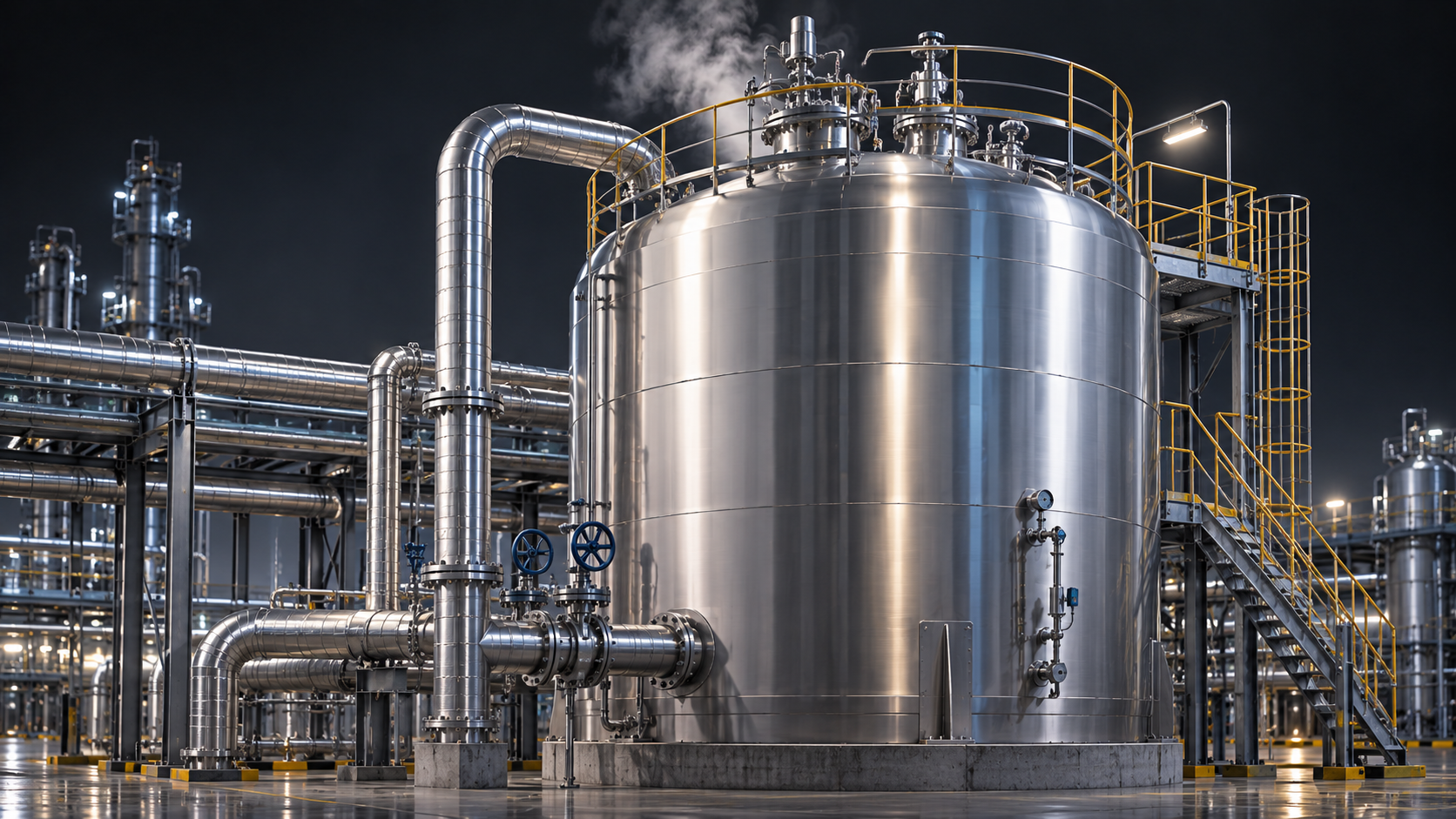
Germany’s plan to subsidize industrial power prices for its chemical sector could have effects that extend well beyond chemical manufacturers. Chemical sector support may reduce one of the largest operating costs for energy-intensive producers, creating a potential chain reaction that reaches food ingredient manufacturers and their procurement teams.
For food ingredient buyers, the development matters because many ingredients depend on chemical intermediates, processing aids, solvents, acids or other industrial inputs. If lower electricity costs improve manufacturing economics in Germany, suppliers could face less cost pressure and potentially offer more stable commercial conditions downstream.
The impact will not reach every ingredient in the same way. It will depend on energy intensity, production routes, feedstock costs, logistics, regional competition and how strongly individual food ingredient markets depend on European chemical production.
Why Energy Costs Matter Across Chemical Supply Chains
Electricity represents a major operating expense for many chemical plants. Production processes often require continuous heating, cooling, compression, separation, drying, electrochemical reactions or other energy-intensive operations.
When industrial electricity becomes expensive, manufacturers must absorb the increase, raise selling prices or reduce production economics. Each response can affect customers further down the supply chain.
Food ingredient manufacturers can encounter the same pressure indirectly. A producer may not purchase electricity-intensive chemicals as its largest cost, but the chemicals and intermediates used in its manufacturing process can still carry energy-related costs from upstream suppliers.
Germany’s proposed support therefore has significance beyond the immediate chemical sector. By lowering energy pressure for eligible industrial producers, it could help improve cost conditions for businesses that depend on chemical inputs.
How Chemical Sector Support Could Reach Food Ingredients
The potential transmission mechanism is relatively straightforward. A chemical manufacturer with lower electricity expenses may gain more room to maintain production, manage margins or compete for export business.
That can influence food ingredient markets through several channels:
Lower upstream production pressure: Reduced energy costs can make it easier for chemical producers to maintain output without passing the full cost burden to customers.
Improved supply availability: More favorable operating economics may support continued production at facilities that might otherwise face pressure to cut operating rates.
Greater price stability: If suppliers experience less cost volatility, buyers may receive more predictable quotations and contract terms.
Stronger downstream competitiveness: Food ingredient manufacturers could benefit if lower chemical input costs improve their own margins or reduce pressure to raise prices.
The effect becomes more relevant for ingredients whose manufacturing chains use energy-intensive chemicals or intermediates. However, energy support does not automatically translate into cheaper finished ingredients because raw materials, freight, labor, packaging and exchange rates also influence final prices.
Which Food Ingredients Could Feel the Effect?
The potential impact is broad rather than limited to one category. Food ingredient producers use a wide range of chemical materials throughout manufacturing, purification, formulation and processing.
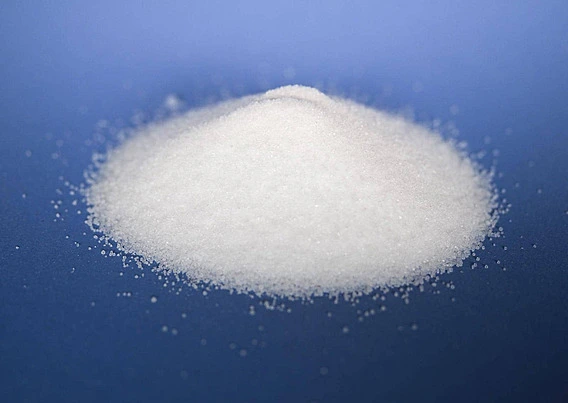
Acids and their derivatives provide one useful example. Ingredients such as citric acid, malic acid, lactic acid and other organic acids have extensive applications in food and beverage production, where they can support acidity control, preservation, flavor profiles and formulation requirements.
Mineral-based inputs can also connect food production to industrial chemical supply chains. Sodium compounds, calcium compounds and other inorganic materials can appear in food processing and ingredient manufacturing.
The strongest effect could occur where several energy-intensive steps sit between the original industrial input and the finished food ingredient. In these cases, a change in upstream manufacturing economics may have more opportunities to move through the supply chain.
What Procurement Teams Should Watch in 2026
For buyers, the key issue is not simply whether Germany reduces industrial electricity costs. Procurement teams should monitor whether the policy changes supplier behavior, production rates and export competitiveness.
Several signals deserve close attention:
Supplier quotations: Compare new offers with previous quotations to determine whether energy-related cost pressure is actually easing.
Production announcements: Changes in operating rates, plant utilization or capacity plans can provide clues about supply availability.
Contract structures: Suppliers may adjust contract pricing, energy surcharges or other commercial mechanisms as their cost base changes.
European export activity: Increased competitiveness among German chemical producers could influence regional trade flows and supplier positioning.
Alternative-origin pricing: Compare European offers with Asian, Middle Eastern and other international sources rather than assuming that one region will remain the lowest-cost option.
For procurement managers, these signals can be more useful than focusing solely on headline policy announcements. The commercial impact becomes clearer when government support starts appearing in supplier costs and market behavior.
Germany’s Role in the European Chemical Supply Chain
Germany holds an important position within Europe’s industrial manufacturing network, making changes to its chemical production economics relevant to downstream buyers.
Chemical producers supply materials to numerous industries, including plastics, coatings, pharmaceuticals, agriculture, cleaning products and food ingredients. A shift in production costs in one major industrial market can therefore influence regional competition and sourcing decisions.
If energy support helps German producers operate more competitively, buyers could see stronger availability from European suppliers. That could create an additional sourcing option for companies that currently depend heavily on imports from other regions.
For importers and distributors, greater European competitiveness could also change negotiation dynamics. Buyers may gain leverage when suppliers from different origins compete more actively for the same business.
Why Lower Chemical Costs Will Not Automatically Mean Lower Food Prices
Procurement teams should avoid assuming a direct one-to-one relationship between lower chemical production costs and finished food ingredient prices.
Food ingredients typically pass through multiple stages before reaching an industrial buyer. Even if an upstream chemical manufacturer reduces energy-related expenses, other cost components may continue moving higher.
Key variables include:
Feedstock prices: Petroleum-derived materials, minerals and agricultural commodities can remain major cost drivers independent of electricity prices.
Transportation: Ocean freight, inland logistics, fuel costs and port conditions can offset improvements in manufacturing economics.
Labor and compliance: Production, quality assurance, environmental controls and regulatory requirements continue to contribute to supplier costs.
Currency movements: Exchange-rate changes can alter the landed cost for international buyers even when the supplier’s local price remains stable.
Demand conditions: Strong food, beverage or pharmaceutical demand can support firm ingredient prices despite improvements in upstream production costs.
This means buyers should treat Germany’s chemical sector support as one potential cost-relief factor rather than a guarantee of lower food ingredient prices.
Implications for Global Sourcing and Importers
International buyers may find that the policy changes the balance between European and non-European supply sources.
If German producers become more competitive, European suppliers could strengthen their position in export markets. Buyers that previously focused on suppliers in Asia or other regions may benefit from requesting fresh quotations from European manufacturers and distributors.
This approach can also strengthen procurement resilience. A broader supplier base gives buyers more flexibility when freight disruptions, production outages or regional shortages affect one sourcing route.
For importers, the practical response is to compare total landed cost, not simply the supplier’s ex-works or FOB price. A lower product quotation may lose its advantage if freight, insurance, customs costs or delivery times are significantly higher.
The policy could therefore create opportunities for buyers who actively benchmark suppliers rather than relying on established purchasing patterns.
How Buyers Can Capture Potential Cost Savings
Procurement teams can prepare for possible downstream benefits without waiting for market prices to move.
A disciplined sourcing strategy should include:
Reviewing energy-sensitive inputs: Identify chemicals and intermediates in the ingredient supply chain that depend heavily on electricity-intensive production.
Refreshing supplier quotations: Ask existing and alternative suppliers for updated pricing to determine whether cost improvements are reaching the market.
Benchmarking multiple origins: Compare European suppliers with competitive international sources on price, quality, freight and reliability.
Negotiating volume commitments: If suppliers expect more stable production economics, buyers may have an opportunity to negotiate longer-term supply arrangements.
Tracking total procurement cost: Evaluate the full delivered cost instead of judging offers solely on the quoted chemical price.
This approach can turn a broad industrial policy development into a practical sourcing exercise. Buyers who monitor upstream cost movements early may have more opportunities to negotiate before competitors adjust their procurement strategies.
Looking Ahead to 2027: What Food Ingredient Buyers Should Expect
The longer-term effect of Germany’s chemical sector support will depend on how effectively lower energy costs translate into stronger industrial competitiveness.
If chemical producers maintain output and improve cost efficiency, food ingredient manufacturers could benefit from more stable access to important industrial inputs. Greater European supply availability could also give buyers another option when negotiating with international suppliers.
However, procurement teams should continue tracking the wider cost environment. Energy prices remain only one component of the chemical and food ingredient value chain, while feedstocks, freight, demand and currency conditions can shift quickly.
For 2027 planning, buyers should focus on supplier diversification, cost benchmarking and early market intelligence. Companies that understand how energy policy affects upstream chemical production can make more informed decisions about contracts, inventory levels and sourcing origins.
The broader lesson is that industrial policy can influence food ingredient procurement even when the policy does not target food manufacturers directly. Germany’s support for its chemical sector could reduce pressure at an upstream stage, potentially creating better cost conditions for businesses further along the supply chain.
Ready to source Citric Acid Monohydrate - China from verified global suppliers? Explore competitive offers on our platform today.