Low-Carbon & Green Ammonia Market 2026–2036

Low-Carbon Ammonia Production Capacity Forecast to Exceed 56 Million Tonnes Annually by 2036
Introduction
Global investment in low-carbon ammonia is accelerating as governments and industries pursue decarbonization goals and cleaner energy solutions. According to industry forecasts, worldwide low-carbon ammonia production capacity is expected to exceed 56 million tonnes per year by 2036, driven by growing demand for sustainable fertilizers, hydrogen transportation, and low-emission industrial feedstocks.
This rapid expansion reflects a major transformation in the ammonia industry, with producers investing in green ammonia, blue ammonia, and carbon capture technologies to meet increasingly stringent environmental regulations and evolving customer expectations.
Why Low-Carbon Ammonia Is Gaining Momentum
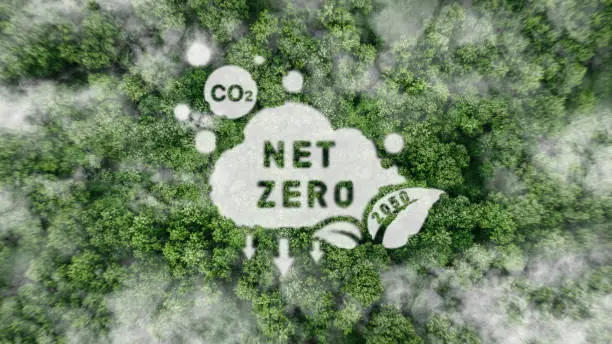
Traditionally, ammonia has been produced using fossil fuels through the Haber-Bosch process, resulting in significant carbon dioxide emissions. As countries work toward net-zero targets, producers are shifting to cleaner production methods that reduce the carbon footprint of ammonia manufacturing.
The primary drivers behind this transition include:
Global climate commitments and net-zero goals.
Rising demand for sustainable fertilizers.
Growth in hydrogen and clean energy markets.
Carbon pricing policies such as the EU Carbon Border Adjustment Mechanism (CBAM).
Increasing investment in renewable energy infrastructure.
These factors are encouraging both established producers and new market entrants to develop large-scale low-carbon ammonia facilities.
Types of Low-Carbon Ammonia
The industry is focusing on two primary production pathways.
Green Ammonia
Green ammonia is produced using hydrogen generated through water electrolysis powered by renewable energy sources such as wind, solar, or hydropower. Because it avoids fossil fuels during hydrogen production, it has the lowest carbon emissions and is considered a key component of the future hydrogen economy.
Blue Ammonia
Blue ammonia is manufactured using natural gas, but carbon dioxide emissions generated during production are captured and stored through Carbon Capture and Storage (CCS) technologies. While it is not carbon-free, blue ammonia significantly lowers emissions compared with conventional production.
Both technologies are expected to contribute substantially to future production capacity.
Key Growth Drivers Toward 2036
Several long-term trends are expected to support the forecast of more than 56 million tonnes per year of low-carbon ammonia production capacity.
Expanding Renewable Energy Capacity
Declining costs for solar and wind power are making green hydrogen production increasingly competitive, supporting the expansion of green ammonia projects.
Strong Government Support
Many countries have introduced funding programs, tax incentives, and industrial policies to encourage investment in clean hydrogen and low-carbon ammonia.
Decarbonizing Heavy Industry
Industries such as shipping, power generation, steel manufacturing, and chemicals are exploring ammonia as a low-carbon fuel and hydrogen carrier.
Growing International Trade
Demand for low-carbon ammonia is increasing in regions with ambitious climate targets, creating new export opportunities for producers investing in cleaner technologies.
Impact on the Global Fertilizer Industry
The shift toward low-carbon ammonia is expected to reshape fertilizer production over the next decade.
Cleaner Fertilizer Supply Chains
Manufacturers are seeking lower-emission feedstocks to reduce the environmental impact of nitrogen fertilizer production.
Greater Investment in Sustainable Production
Companies are upgrading existing facilities and developing new plants that integrate renewable energy and carbon capture technologies.
Changing Procurement Priorities
Large agricultural buyers are increasingly considering carbon intensity alongside price, quality, and supply reliability when selecting suppliers.
Challenges to Industry Expansion
Despite strong growth projections, several challenges remain.
High Capital Costs
Building green and blue ammonia facilities requires substantial investment in renewable energy, electrolysis systems, carbon capture infrastructure, and storage facilities.
Infrastructure Development
Transporting and storing ammonia safely requires specialized infrastructure, including export terminals, pipelines, and storage tanks.
Renewable Energy Availability
Green ammonia projects depend on reliable access to large quantities of low-cost renewable electricity.
Regulatory Uncertainty
Future carbon pricing policies, certification standards, and international trade regulations will continue to influence investment decisions.
Opportunities for Exporters and Investors
The projected increase in production capacity creates significant opportunities across the global chemicals and energy sectors.
Potential beneficiaries include:
Ammonia producers investing in low-carbon technologies.
Renewable energy developers.
Carbon capture technology providers.
Engineering and construction companies.
Fertilizer manufacturers seeking lower-emission feedstocks.
Countries with abundant renewable energy resources aiming to become ammonia export hubs.
Companies that invest early in sustainable ammonia production are expected to strengthen their competitive position as demand grows.
Industry Outlook
By 2036, low-carbon ammonia is expected to become an increasingly important component of global energy transition strategies. As production capacity expands beyond 56 million tonnes annually, ammonia will play a growing role not only in agriculture but also in hydrogen transport, clean shipping fuels, and industrial decarbonization.
The transition will likely accelerate technological innovation, international trade, and investment in cleaner chemical manufacturing processes.
Conclusion
The forecast that low-carbon ammonia production capacity will exceed 56 million tonnes per year by 2036 highlights the industry's rapid transformation toward more sustainable manufacturing. Driven by climate policies, renewable energy expansion, and rising demand for low-emission products, green and blue ammonia are becoming central to the future of agriculture, energy, and industrial production.
For producers, exporters, and procurement professionals, investing in low-carbon technologies and preparing for evolving environmental regulations will be essential to remain competitive in the global ammonia market over the coming decade.
Ammonia Anhydrous

Found this useful?