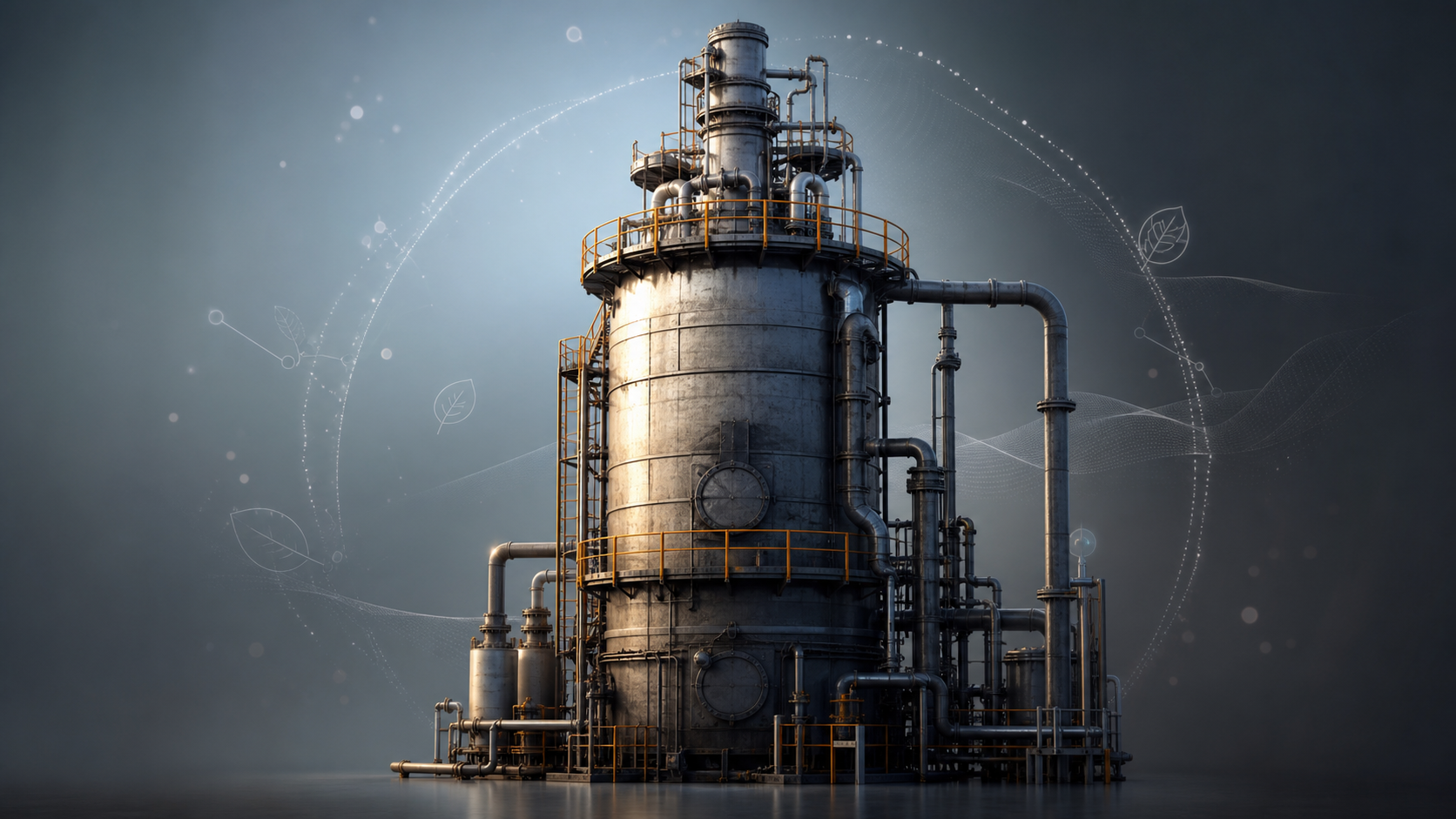
Polyethylene Grades Explained: HDPE, LDPE, LLDPE, and mLLDPE — What Buyers Need to Know
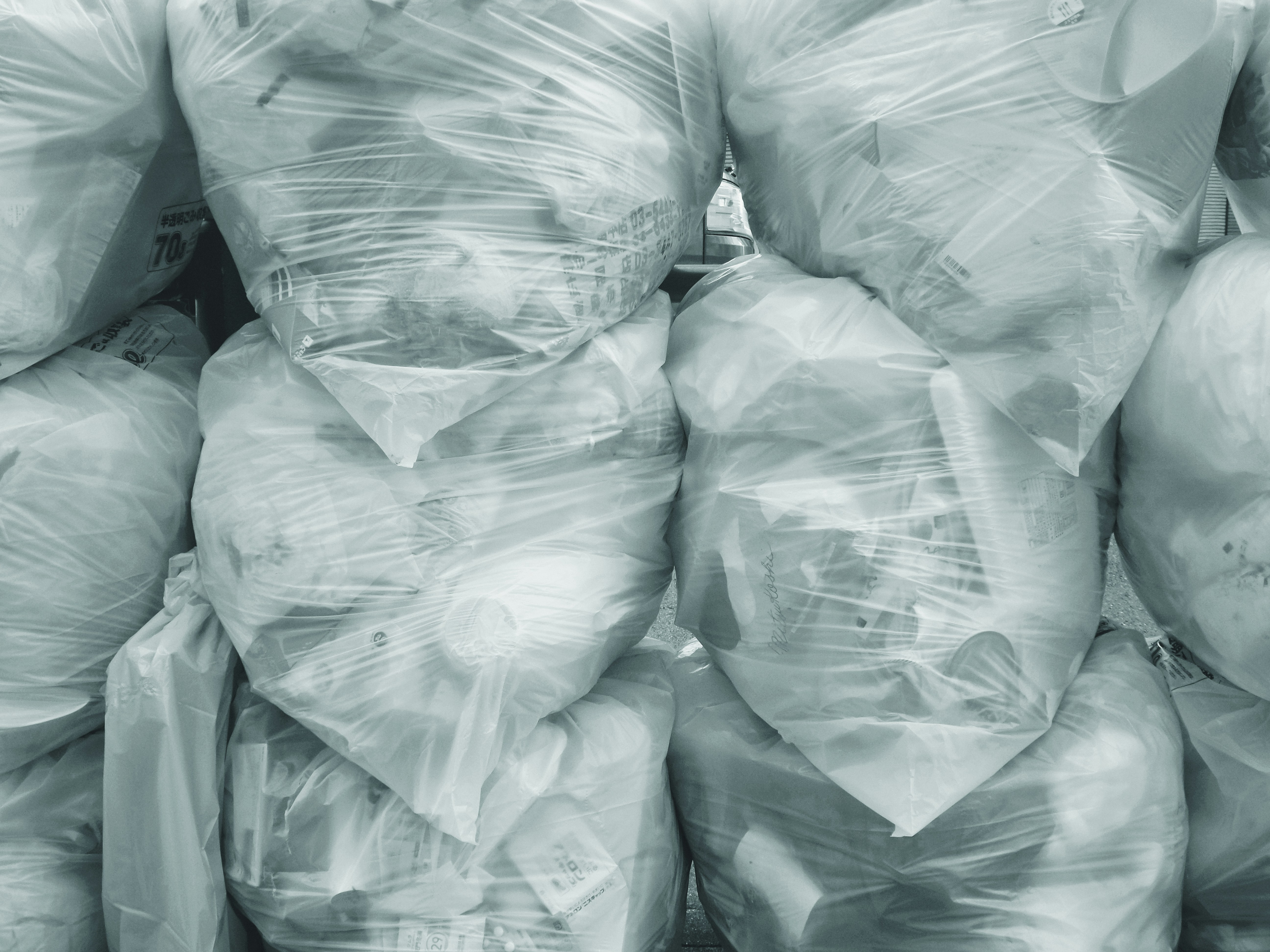
Polyethylene Grades Explained: HDPE, LDPE, LLDPE, and mLLDPE — What Buyers Need to Know
Introduction
Polyethylene (PE) is the world's most widely used plastic and a cornerstone of the global petrochemical industry. From food packaging and industrial containers to agricultural films and medical products, polyethylene is used across nearly every manufacturing sector due to its versatility, durability, and cost-effectiveness.
However, polyethylene is not a single material. It is available in several grades, each with unique mechanical properties, processing characteristics, and end-use applications. The four most common commercial grades are High-Density Polyethylene (HDPE), Low-Density Polyethylene (LDPE), Linear Low-Density Polyethylene (LLDPE), and Metallocene Linear Low-Density Polyethylene (mLLDPE).
For procurement professionals, converters, and manufacturers, understanding these grades is essential for selecting the right material, optimizing costs, and ensuring product performance.
What Is Polyethylene?
Polyethylene is a thermoplastic polymer produced through the polymerization of ethylene, a petrochemical derived primarily from crude oil and natural gas.
Its popularity stems from several advantages, including:
Lightweight construction
Excellent chemical resistance
High durability
Moisture resistance
Ease of processing
Recyclability
Cost-effective production
Different polymerization technologies create different polyethylene structures, resulting in distinct material properties and applications.
High-Density Polyethylene (HDPE)
HDPE has a highly linear molecular structure with minimal branching, resulting in a dense and rigid material.
Key Characteristics
High tensile strength
Excellent chemical resistance
Superior impact resistance
High stiffness
Good moisture barrier properties
Excellent durability
Common Applications
Blow-molded bottles
Water and gas pipes
Industrial containers
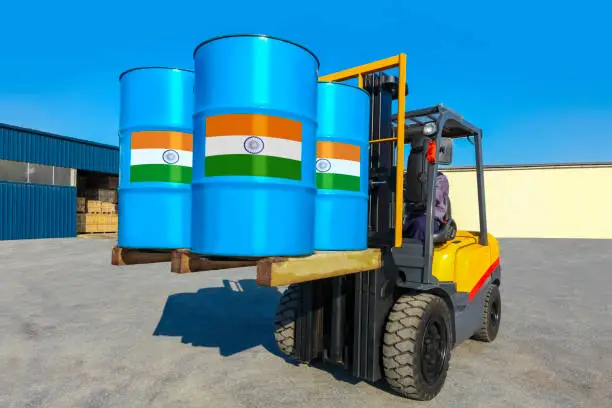
Drums
Household products
Chemical storage tanks
Crates and pallets
Procurement Considerations
HDPE is often selected when structural strength, durability, and long service life are critical purchasing requirements.
Low-Density Polyethylene (LDPE)
LDPE has a highly branched molecular structure, making it softer and more flexible than HDPE.
Key Characteristics
Excellent flexibility
Good transparency
High toughness
Excellent processability
Good moisture resistance
Lower rigidity than HDPE
Common Applications
Shopping bags
Squeeze bottles
Flexible packaging
Protective films
Wire and cable insulation
Food packaging
Procurement Considerations
LDPE is preferred for applications requiring softness, flexibility, and ease of film processing.
Linear Low-Density Polyethylene (LLDPE)
LLDPE combines the flexibility of LDPE with improved strength and puncture resistance.
Key Characteristics
Excellent puncture resistance
High tensile strength
Good flexibility
Superior tear resistance
Better environmental stress crack resistance than LDPE
Excellent film performance
Common Applications
Stretch films
Agricultural films
Industrial liners
Heavy-duty bags
Shrink films
Flexible packaging
Procurement Considerations
LLDPE offers an excellent balance between strength and flexibility, making it one of the most widely purchased polyethylene grades.
Metallocene Linear Low-Density Polyethylene (mLLDPE)
mLLDPE is produced using metallocene catalyst technology, resulting in a more uniform molecular structure than conventional LLDPE.
Key Characteristics
Exceptional puncture resistance
Superior toughness
Improved sealability
Excellent optical clarity
Higher impact strength
Outstanding film consistency
Enhanced processing performance
Common Applications
Premium food packaging
Medical packaging
High-performance stretch films
Heavy-duty industrial films
Lamination films
Specialty packaging
Procurement Considerations
Although mLLDPE typically carries a higher purchase price than conventional LLDPE, its enhanced performance can reduce material consumption and improve overall product quality.
Comparing the Four Polyethylene Grades
Property | HDPE | LDPE | LLDPE | mLLDPE |
|---|---|---|---|---|
Density | High | Low | Low | Low |
Rigidity | Excellent | Low | Medium | Medium |
Flexibility | Low | High | High | High |
Puncture Resistance | Good | Moderate | Excellent | Outstanding |
Transparency | Low | Good | Moderate | Excellent |
Chemical Resistance | Excellent | Good | Excellent | Excellent |
Typical Use | Containers & Pipes | Flexible Films | Packaging Films | Premium Packaging |
How Buyers Should Choose the Right Grade
Selecting the correct polyethylene grade depends on several factors beyond purchase price.
Key evaluation criteria include:
Product Performance
Determine whether the application requires rigidity, flexibility, puncture resistance, clarity, or impact strength.
Processing Requirements
Different grades perform differently during:
Blow molding
Injection molding
Extrusion
Film production
Rotational molding
Compatibility with manufacturing equipment should always be considered.
Regulatory Requirements
Applications involving food packaging, pharmaceuticals, or medical products may require compliance with industry-specific regulations and certifications.
Total Cost of Ownership
Procurement decisions should evaluate:
Material price
Processing efficiency
Product performance
Waste reduction
Transportation costs
Inventory management
The lowest-priced resin is not always the most cost-effective solution.
Supply Chain Considerations
Global polyethylene markets are influenced by multiple factors, including:
Crude oil and natural gas prices
Ethylene feedstock availability
Petrochemical plant operating rates
International freight costs
Trade policies and tariffs
Regional demand growth
Geopolitical developments
Monitoring these factors helps procurement teams anticipate market changes and make more informed purchasing decisions.
Best Practices for Polymer Procurement
To strengthen procurement strategies, organizations should:
Qualify multiple resin suppliers.
Compare material performance before selecting a grade.
Evaluate total landed cost rather than resin price alone.
Monitor market trends and feedstock prices.
Maintain strategic inventory for critical applications.
Collaborate with engineering and production teams during material selection.
Review supplier quality certifications and technical documentation.
These practices help improve cost control while reducing supply chain risk.
Conclusion
Understanding the differences between HDPE, LDPE, LLDPE, and mLLDPE is essential for making informed procurement decisions. Each grade offers distinct advantages in terms of strength, flexibility, processability, and end-use performance, making material selection a strategic decision rather than simply a pricing exercise.
For polymer buyers, selecting the right polyethylene grade requires balancing technical requirements, manufacturing efficiency, regulatory compliance, and long-term supply chain reliability. By combining sound procurement practices with a clear understanding of material properties, organizations can optimize product quality, improve operational efficiency, and build more resilient sourcing strategies in an increasingly competitive global market.
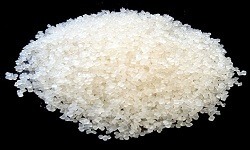
Linear-Low Density Polyethylene (LLDPE)
Found this useful?