Technip Energies to License SABIC CTR® LDPE Technology Worldwide
The global low-density polyethylene market is gaining another technology and engineering route for future production projects. LDPE technology from SABIC will now be licensed worldwide by Technip Energies under an exclusive Licensing Collaboration Agreement, strengthening a relationship between the two companies that dates back to 1996.
The agreement brings together SABIC’s Clean Tubular Reactor, or CTR®, technology with Technip Energies’ experience in polyolefin engineering, equipment fabrication and high-pressure LDPE plant execution. For producers, the arrangement could make technology selection and project development more closely connected, particularly when evaluating new or expanded LDPE capacity.
What the SABIC CTR® LDPE Agreement Covers
Under the agreement announced on September 21, 2026, Technip Energies will act as the worldwide licensor of SABIC’s established Clean Tubular Reactor (CTR®) technology for LDPE production. The agreement is exclusive and expands the companies’ long-standing cooperation in polyethylene technology.
The significance goes beyond the transfer of licensing responsibilities. Technip Energies has already supported CTR® technology for decades, giving the company experience across basic design, engineering, construction and plant start-up activities.
This background gives the collaboration a practical project-development dimension. Producers evaluating high-pressure LDPE facilities can potentially engage with a licensing partner that already has experience translating the technology into industrial plant designs and execution.
Why LDPE Technology Licensing Matters to Producers
LDPE plants require specialized process technology, equipment and engineering capabilities. Technology licensing therefore forms an important part of the investment decision before a producer commits to detailed engineering, procurement and construction.
A technology agreement can influence several stages of a project, including:
Process design: The selected technology establishes the core process configuration and technical basis for the facility.
Equipment requirements: High-pressure LDPE production requires specialized equipment and engineering expertise, making technology knowledge important during equipment design and fabrication.
Project execution: Experience with construction and start-up can help connect the licensed process design with the practical requirements of a commercial plant.
Scale-up planning: Producers need a technology platform that can support their production objectives while fitting their feedstock, infrastructure and market strategy.
The Technip Energies and SABIC arrangement combines these elements under a broader licensing relationship. Technip Energies says its experience includes the design, fabrication of equipment and execution of high-pressure LDPE plants.
Technip Energies’ Longstanding CTR® Experience
The companies’ relationship around CTR® technology is not new. Technip Energies has supported the technology since 1996, working across basic design, engineering, construction and start-up activities.
That history is important for project developers because process technology licensing involves more than intellectual property. Industrial producers also need engineering knowledge that can translate process requirements into equipment specifications, plant layouts and commissioning activities.
Technip Energies has developed experience in polyolefins through this long-term involvement. The new agreement expands that role by making the company the worldwide licensor for SABIC’s CTR® LDPE technology.
What CTR® Technology Means for LDPE Projects
LDPE is produced through high-pressure polymerization, which makes process technology and equipment design particularly important. SABIC’s CTR® technology provides the process foundation, while Technip Energies brings engineering and project execution capabilities around that technology.
The combination creates a more integrated proposition for companies considering high-pressure LDPE facilities. Instead of viewing technology licensing and engineering as completely separate decisions, project developers can consider how the process platform connects with plant design, equipment fabrication and execution.
Technip Energies has described the combined offering as a way to support the deployment of high-performance LDPE solutions worldwide. The company also highlights the objective of helping producers scale efficiently, safely and reliably.
For procurement teams, this integration can also change the way early project requirements are evaluated. Technology decisions can influence equipment packages, engineering specifications and the supplier ecosystem required later in the project.
Implications for the Global LDPE Supply Chain
The agreement could have relevance beyond individual plant projects because new production technology can influence where and how future LDPE capacity develops. Worldwide licensing gives producers in different markets access to the same established technology platform through Technip Energies.
For chemical traders and importers, any expansion of LDPE production capacity can become relevant to future trade flows. New plants can affect regional availability, supplier relationships, product grades and the balance between domestic production and imported material.
Procurement teams should therefore monitor technology licensing activity alongside conventional market indicators. Capacity announcements, plant investment decisions and technology agreements can provide early signals about future supply infrastructure.
For exporters, the development also highlights the importance of understanding the technology base behind emerging production projects. A new LDPE facility can eventually create new regional supply opportunities, while established producers may use technology investments to improve their competitive position.
What the Partnership Adds to Technip Energies’ Polyolefin Portfolio
Technip Energies already operates across several energy and chemical technology areas, including ethylene and polyolefins. The CTR® agreement expands its position within LDPE technology licensing and adds another established process technology to its portfolio.
The company’s role is particularly relevant because LDPE projects require coordination between process technology and complex high-pressure plant infrastructure. Technip Energies can combine licensing with capabilities covering engineering, equipment fabrication and project execution.
This creates several potential commercial touchpoints with producers:
Technology selection and licensing can take place alongside early project engineering.
Equipment design can reflect the requirements of the selected process technology.
Engineering teams can carry process knowledge into construction and commissioning.
Producers can work with a partner that has previous experience with CTR® technology deployment.
For SABIC, the arrangement provides a global licensing channel for its established technology while extending a partnership that has operated for decades.
What Chemical Buyers Should Watch Next
The immediate agreement concerns technology licensing rather than the direct sale of LDPE resin. However, procurement professionals should watch how producers use the expanded licensing route when planning future capacity.
Several signals may become relevant:
New project announcements: Producers adopting CTR® technology could create future demand for engineering services, specialized equipment and supporting materials.
Regional capacity changes: New LDPE facilities can influence import requirements and domestic availability in their target markets.
Supplier diversification: Additional production capacity may eventually broaden the number of potential LDPE suppliers available to converters and downstream manufacturers.
Grade availability: New facilities can influence the availability of specific LDPE grades used in film, packaging, coating and other applications.
Project execution timelines: Licensing agreements represent an early stage of the project cycle. Procurement teams should distinguish between technology adoption and actual commercial production when assessing future supply.
These factors matter because LDPE buyers often operate within tightly managed production schedules. Understanding the upstream investment pipeline can provide additional context when negotiating supply contracts or planning inventory.
What This Means for LDPE Procurement Strategy
The Technip Energies and SABIC agreement reinforces the connection between process technology, engineering capability and future polymer supply. Buyers do not need to follow every technology transaction, but major licensing developments can provide useful insight into how future production infrastructure may evolve.
For procurement managers, the practical response is to maintain visibility across both current suppliers and potential future capacity. This includes monitoring producer investments, regional plant developments and changes in the availability of LDPE grades.
Importers and traders can also use technology developments as part of broader market intelligence. A licensing agreement alone does not immediately change physical supply, but it can become part of a longer project cycle that eventually affects regional trade flows.
The worldwide scope of the CTR® agreement also means the development is relevant across multiple markets rather than being limited to a single production region. Technip Energies’ role as global licensor gives producers a broader route to access SABIC’s CTR® technology.
The Bottom Line for LDPE Buyers
Technip Energies’ agreement with SABIC marks an expansion of the global licensing framework around CTR® LDPE technology. The arrangement combines SABIC’s established process platform with Technip Energies’ long-standing experience in polyolefin engineering, equipment fabrication and high-pressure LDPE project execution.
For chemical traders, importers, exporters and procurement teams, the development is a reminder that future polymer supply begins well before a new plant starts commercial production. Technology licensing, engineering decisions and project execution can eventually shape where LDPE is produced and how material moves through international markets.
As the partnership develops, buyers should track new project announcements and regional capacity plans while continuing to assess suppliers based on grade availability, specifications, delivery requirements and commercial terms. Ready to source LDPE from verified global suppliers? Explore competitive offers on our platform today.
Source:
ChemXplore: Technip Energies to license SABIC CTR® LDPE technology worldwide
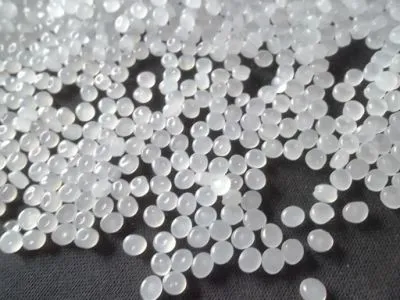
Low Density Polyethylene (LDPE)
Found this useful?