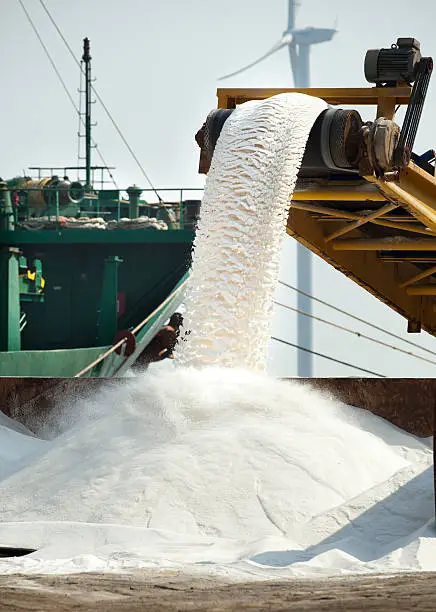
Urea markets rebalancing after new East Asian and Middle East capacity — how fresh nitrogen capacity is easing prices after a volatile 2025.

Urea Markets Rebalancing After New East Asian and Middle East Capacity: How Fresh Nitrogen Capacity Is Easing Prices After a Volatile 2025
Introduction
After experiencing significant volatility throughout 2025, the global urea market is entering a period of rebalancing. New nitrogen fertilizer production capacity coming online in East Asia and the Middle East is increasing global supply, helping ease price pressures that challenged fertilizer buyers over the past year.
For agricultural businesses, fertilizer distributors, and procurement professionals, this shift offers an opportunity to reassess purchasing strategies, improve supply security, and benefit from a more balanced market environment. While prices remain influenced by natural gas costs and seasonal demand, additional production capacity is creating greater stability across international urea trade.
Why Urea Is Critical to Global Agriculture
Urea is the world's most widely used nitrogen fertilizer due to its high nitrogen content, cost-effectiveness, and broad application across agricultural sectors.
It is commonly used for:
Wheat cultivation
Rice production
Corn and maize farming
Sugarcane
Cotton
Fruits and vegetables
Because nitrogen is essential for plant growth, changes in urea availability and pricing directly affect agricultural production costs worldwide.
Why 2025 Was So Volatile
The global urea market experienced considerable uncertainty during 2025 as multiple factors disrupted supply and pricing.
Key drivers included:
Fluctuating natural gas prices.
Geopolitical tensions affecting global trade.
Shipping and freight disruptions.
Export restrictions in some producing countries.
Strong seasonal fertilizer demand.
Supply chain bottlenecks and procurement uncertainty.
These conditions resulted in frequent price swings and made procurement planning more challenging for fertilizer buyers.
New Capacity Is Improving Market Balance
Several producers in East Asia and the Middle East have expanded nitrogen fertilizer production, increasing the volume of urea available for export.
The additional capacity contributes to:
Higher global fertilizer supply.
Improved product availability.
Reduced pressure on international prices.
Greater competition among exporters.
Enhanced supply chain flexibility for importers.
As more production enters the market, buyers have additional sourcing options and stronger negotiating positions.
How Increased Supply Influences Prices
The relationship between higher supply and softer prices can be understood through basic market economics.
When supply increases while demand remains relatively stable, the market equilibrium shifts toward lower prices. The expansion of urea production capacity in East Asia and the Middle East has increased available supply, helping moderate prices after the sharp fluctuations experienced in 2025.
Benefits for Fertilizer Buyers
A more balanced market provides several advantages for procurement teams.
Improved Price Stability
Greater production capacity reduces the likelihood of sudden supply shortages and extreme price spikes.
Better Supplier Choice
Importers have access to a wider range of exporting countries and producers.
Stronger Negotiating Position
Higher market competition enables buyers to negotiate more favorable commercial terms.
More Reliable Deliveries
Increased production reduces supply bottlenecks and improves shipment availability.
Factors That Could Still Influence Urea Prices
Although the market outlook has improved, several risks continue to affect pricing.
Procurement professionals should monitor:
Natural gas prices.
Seasonal agricultural demand.
Freight and shipping costs.
Export policies.
Currency exchange movements.
Weather conditions affecting crop planting.
Regional geopolitical developments.
These variables can still create short-term fluctuations even within a better-supplied market.
Procurement Strategies in a Rebalancing Market
Businesses can take advantage of improving market conditions by adopting proactive procurement practices.
Monitor Global Capacity Expansions
Track new production projects and operating rates in major exporting countries.
Diversify Supply Sources
Avoid dependence on a single producer or export region to improve supply resilience.
Review Long-Term Contracts
Evaluate whether existing agreements remain competitive as market conditions evolve.
Focus on Total Landed Cost
Assess freight, insurance, customs duties, storage, and logistics expenses alongside product pricing.
Strengthen Market Intelligence
Regular monitoring of fertilizer, energy, and shipping markets enables better purchasing decisions.
Market Outlook
The expansion of nitrogen fertilizer production in East Asia and the Middle East is expected to support a more balanced global urea market through the coming months. While temporary price movements may occur because of energy costs or seasonal demand, the additional production capacity should help reduce the extreme volatility seen during 2025.
Continued investment in fertilizer manufacturing, combined with improving global logistics, is likely to strengthen supply reliability and enhance market competition.
Conclusion
The global urea market is entering a more stable phase as new nitrogen production capacity in East Asia and the Middle East improves supply availability. Increased production is easing price pressures, offering fertilizer buyers greater flexibility and more predictable procurement conditions after a turbulent 2025.
For importers, distributors, and agricultural businesses, success will depend on maintaining diversified sourcing strategies, monitoring energy and freight markets, and making procurement decisions based on total landed cost rather than product price alone. Organizations that adapt to the evolving market landscape will be better positioned to manage costs and ensure reliable fertilizer supplies throughout the year.
Urea (Granular) - Egypt
Found this useful?