A New Immune Target Shows Promise Against Celiac Disease Damage
A New Immune Target Shows Promise Against Celiac Disease Damage
argenx has reported positive Phase 2 results for FB102, an experimental antibody designed to target CD122, an immune-signaling component involved in celiac disease.
Announced on October 8, 2026, the findings offer encouraging evidence for a potential treatment approach to celiac disease, an autoimmune condition for which a strict gluten-free diet remains the standard of care. FB102 has not been approved for treatment of the disease.
Why Researchers Are Targeting CD122
Celiac disease develops when consuming gluten triggers an abnormal immune response that damages the lining of the small intestine. Gluten is found in wheat, barley and rye, and continued intestinal injury can interfere with nutrient absorption and cause symptoms such as abdominal pain, bloating, diarrhoea and fatigue.
FB102 is an investigational monoclonal antibody designed to block CD122, a component of the interleukin-2 (IL-2) and interleukin-15 (IL-15) signalling pathways. These pathways help regulate immune-cell activity and can contribute to inflammation in autoimmune diseases.
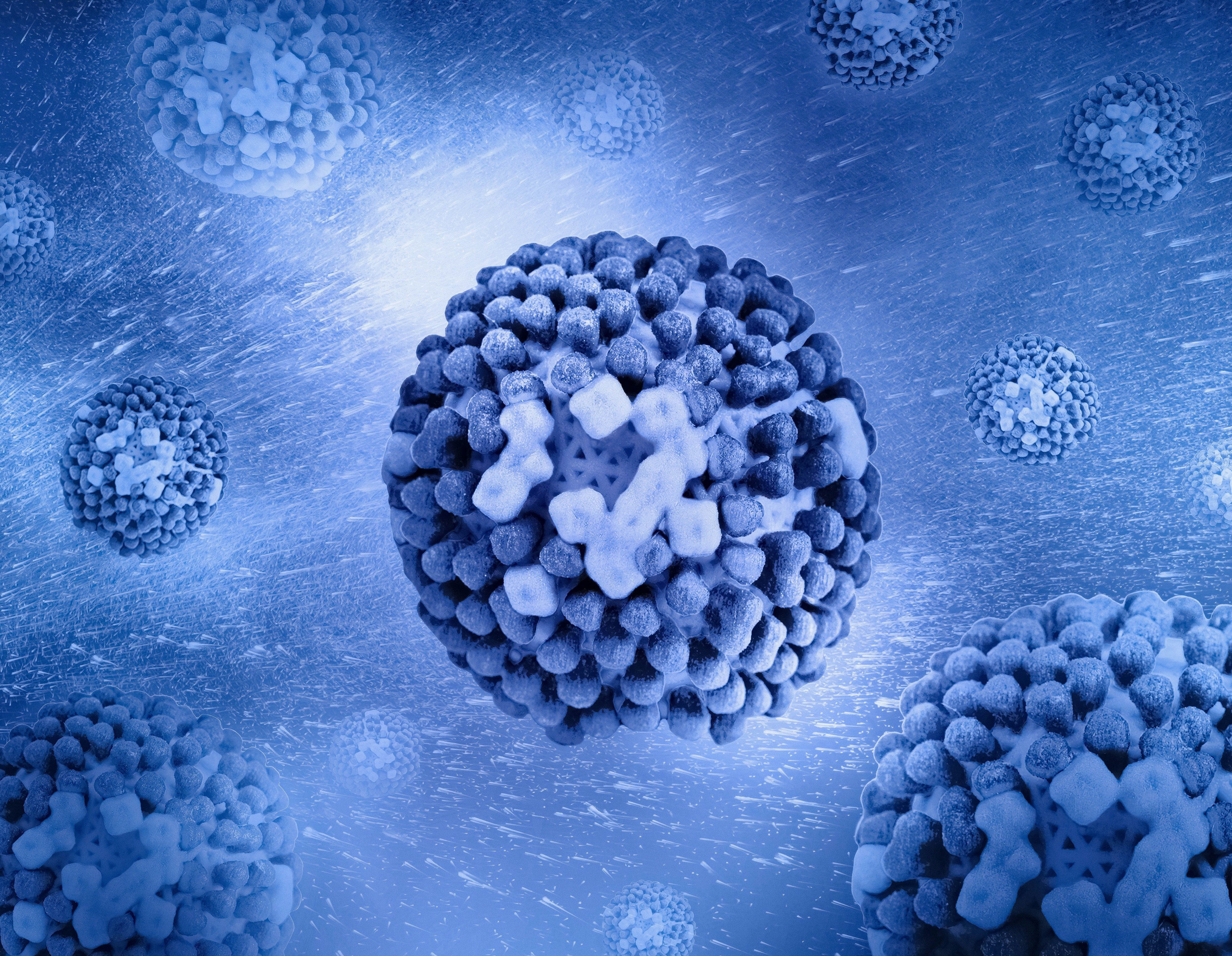
By targeting CD122, FB102 aims to modify disease-driving immune responses while preserving the function of regulatory T cells, which help maintain immune balance. This approach could offer a way to address the biological processes behind intestinal injury rather than relying exclusively on avoiding gluten.
However, the drug's proposed mechanism and its clinical benefits still require further evaluation in larger studies.
Phase 2 Trial Meets Its Primary Endpoint
The Phase 2 FB102-301 study enrolled 126 adults with confirmed celiac disease who had been symptom-free while following a strict gluten-free diet for at least 12 months.
Participants were randomly assigned to receive one of two FB102 dose levels or a placebo. During the study, they underwent a controlled eight-week oral gluten challenge designed to assess whether treatment could protect the small intestine from gluten-induced damage.
The trial met its primary endpoint: the change from baseline in the villus height-to-crypt depth (Vh) ratio at Day 78 compared with placebo. The result was statistically significant, with a reported p-value of 0.0176.
The Vh ratio is a measure of intestinal tissue health. In celiac disease, damage can shorten the intestinal villi, which help the body absorb nutrients, while changes in the intestinal crypts can reflect tissue responses to injury.
Additional findings involving intraepithelial lymphocyte density, a composite measure of intestinal damage and symptoms were reported as consistent with the primary endpoint. The company said detailed trial results would be presented at an upcoming medical meeting.
Safety Findings Support Further Investigation
argenx reported that FB102's observed safety profile was consistent with previous studies, with no new safety signals identified in the Phase 2 trial.
Although this is encouraging, a study of this size cannot establish the treatment's long-term safety or fully identify uncommon adverse effects. Further clinical evaluation will be needed to understand its risks and benefits across a larger patient population.
The results also do not establish whether FB102 could eventually allow people with celiac disease to consume gluten without harm. The trial examined protection during a controlled gluten challenge, and its findings should not be interpreted as evidence that patients can safely change their diets.
What the Results Mean for Celiac Disease Treatment
At present, a strict gluten-free diet remains the mainstay of celiac disease management. Avoiding gluten can improve symptoms and support intestinal recovery, but accidental exposure can still occur, and maintaining the diet can create practical and social challenges.
A medicine that reduces gluten-induced intestinal damage could potentially provide an additional treatment option. It might be especially valuable if future studies demonstrate meaningful protection during real-world exposure and establish an acceptable long-term safety profile.
Nevertheless, FB102 remains in clinical development. The Phase 2 findings are an important step, but they do not demonstrate that the drug can replace dietary management or prevent all complications associated with celiac disease.
argenx Plans to Advance FB102 Into Phase 3
argenx said it plans to move FB102 into Phase 3 development following the positive Phase 2 results. The candidate was acquired through the company's acquisition of Forte Biosciences in August 2026.
The company is also investigating FB102 in other autoimmune conditions, including vitiligo and alopecia areata. Its potential across these diseases reflects the broader interest in treatments that selectively modify immune pathways involved in inflammation.
The next stage of development will be important for determining whether the Phase 2 benefits can be reproduced in larger populations, how durable the effects may be and whether the treatment offers a clinically meaningful advantage for people living with celiac disease.
For the biopharmaceutical industry, the findings add to ongoing efforts to develop targeted therapies for autoimmune disorders. For patients, the results provide a promising research milestone, although an effective and approved medicine remains a future possibility rather than an established treatment.
Sources:

Zinc Oxide (99.7%) - China
Found this useful?