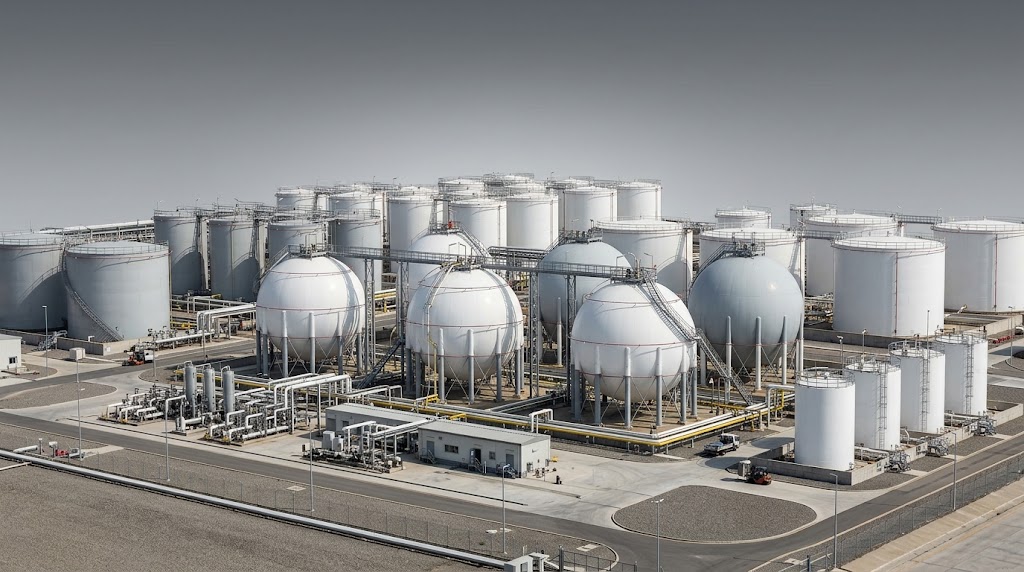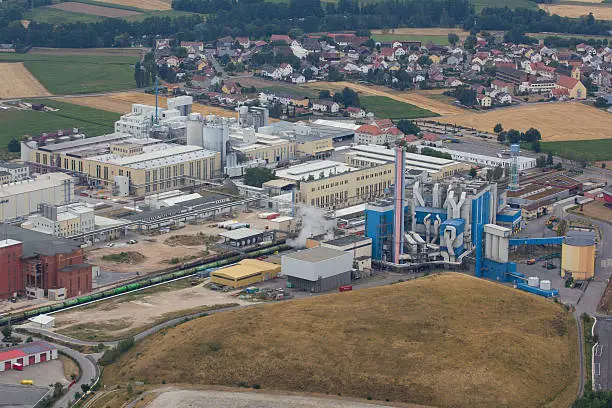
ABB-Rotork Deal Touches Flow Control Technology Used in Fertilizer Plant Operations
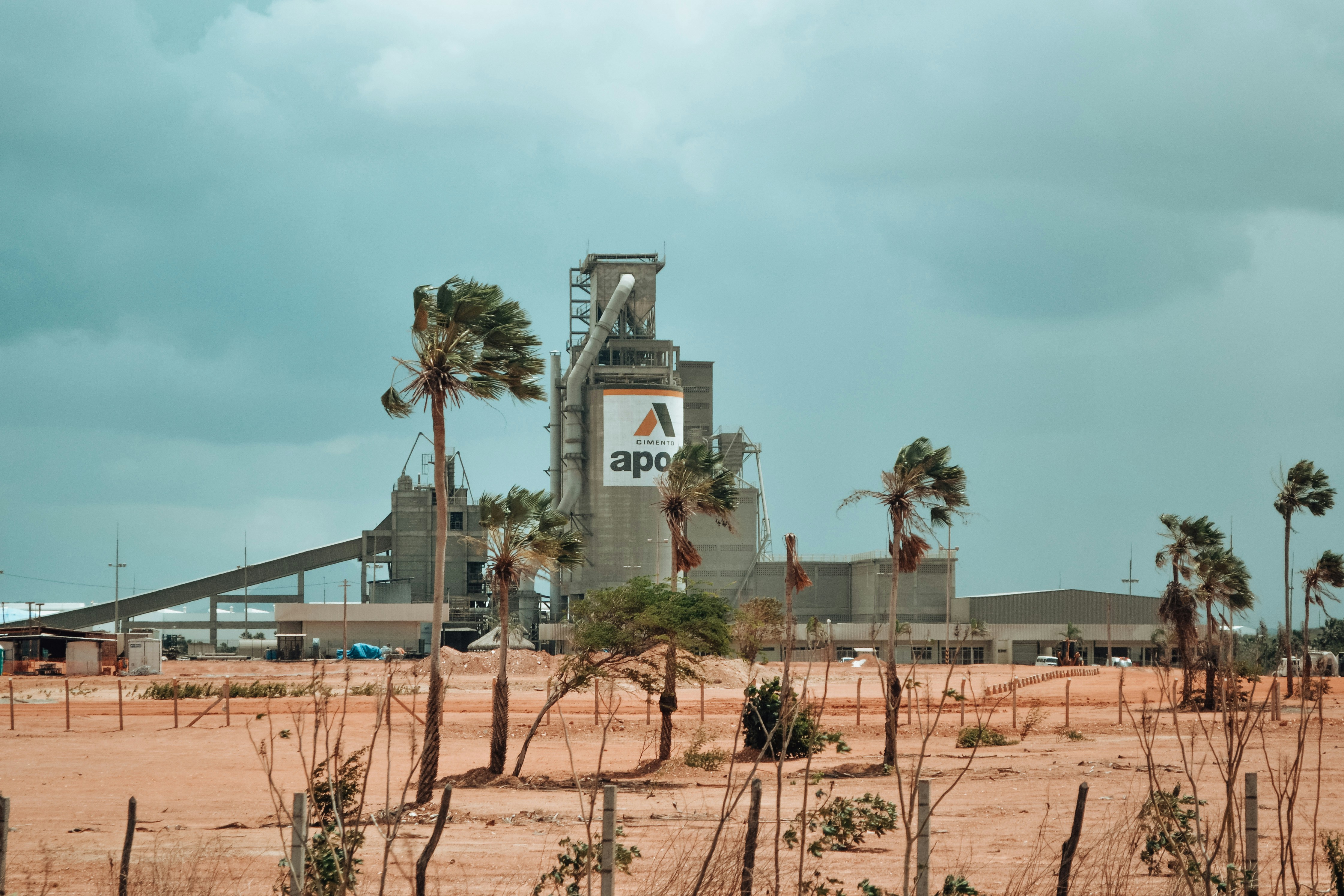
ABB–Rotork Deal Touches Flow Control Technology Used in Fertilizer Plant Operations
Introduction
Digital automation and intelligent flow control technologies are becoming increasingly important in modern fertilizer manufacturing. The collaboration between ABB and Rotork highlights the growing emphasis on advanced automation, valve control, and process optimization across industrial facilities. Although the partnership serves a broad range of industrial sectors, its technologies are highly relevant to fertilizer plant operations, where precise control of fluids, gases, and process conditions is essential for safe, efficient, and reliable production.
As fertilizer manufacturers continue investing in digital transformation, advanced flow control systems are expected to improve operational efficiency, reduce maintenance costs, and support sustainability objectives.
Why Flow Control Is Critical in Fertilizer Plants
Fertilizer production involves complex chemical processes that require the continuous movement and regulation of liquids, gases, steam, and other process materials. Accurate flow control helps maintain product quality while ensuring safe plant operations.
Flow control systems are commonly used in:
Ammonia production
Urea manufacturing
Nitric acid plants
Phosphate fertilizer production
Sulfuric acid processing
Utility and water treatment systems
Reliable control of valves and actuators helps maintain stable operating conditions throughout these production processes.
The Role of Intelligent Valve Automation
Modern fertilizer plants increasingly rely on automated valve systems integrated with digital control platforms.
Key functions include:
Precise Process Control
Automated valves regulate pressure, temperature, and flow rates to maintain optimal production conditions.
Improved Plant Safety
Intelligent actuators respond quickly to abnormal operating conditions, helping reduce operational risks and protect critical equipment.
Increased Reliability
Continuous monitoring allows early detection of valve wear or performance issues, minimizing unexpected failures.
Enhanced Operational Efficiency
Automation reduces manual intervention, improves process consistency, and optimizes resource utilization.
Benefits of Advanced Flow Control Technologies
The adoption of intelligent flow control solutions offers several operational advantages.
These include:
Improved production efficiency
Higher process accuracy
Reduced equipment downtime
Lower maintenance costs
Better energy utilization
Increased asset reliability
Enhanced environmental performance
Together, these benefits contribute to greater productivity and long-term operational resilience.
Supporting Digital Transformation in Fertilizer Manufacturing
Flow control technologies are increasingly integrated into broader digital manufacturing strategies.
Emerging technologies include:
Industrial Internet of Things (IIoT)
AI-powered predictive maintenance
Digital twins
Remote asset monitoring
Cloud-based analytics
Advanced process control systems
Real-time performance dashboards
These technologies provide operators with actionable insights that improve decision-making and optimize plant performance.
Sustainability and Resource Efficiency
Efficient flow control also supports environmental and sustainability goals within fertilizer production.
Potential benefits include:
Reduced energy consumption
Lower process emissions
Improved water management
Reduced product losses
More efficient use of raw materials
Enhanced regulatory compliance
By optimizing process performance, manufacturers can reduce operating costs while minimizing environmental impact.
Considerations for Plant Operators and Procurement Teams
As automation technologies evolve, procurement and engineering teams should evaluate equipment based on long-term operational value rather than initial purchase cost.
Important evaluation criteria include:
System reliability
Compatibility with existing automation platforms
Predictive maintenance capabilities
Cybersecurity features
Technical support and service availability
Lifecycle maintenance costs
Energy efficiency
Selecting advanced flow control solutions can improve operational flexibility and reduce total cost of ownership over time.
Future Outlook
The continued integration of intelligent automation, digital monitoring, and advanced valve technologies is expected to transform fertilizer manufacturing in the coming years. As production facilities become increasingly connected, flow control systems will play a central role in improving efficiency, safety, and sustainability.
Manufacturers that invest in smart automation technologies today will be better prepared to meet future production demands while maintaining competitive, reliable, and environmentally responsible operations.
Conclusion
The ABB–Rotork collaboration highlights the growing importance of advanced flow control technologies across industrial manufacturing. For fertilizer plants, intelligent valve automation and digital process control offer significant opportunities to improve operational efficiency, strengthen safety, and support sustainability objectives.
As the fertilizer industry continues its digital transformation, investments in modern flow control systems will remain essential for building more resilient, efficient, and future-ready production facilities.
2-Ethylhexyl Acrylate

Found this useful?