
Active Pharmaceutical Ingredients (APIs): Global Market Trends, Production, and Sourcing Opportunities
Active Pharmaceutical Ingredients (APIs): Global Market Trends, Production, and Sourcing Opportunities
Active pharmaceutical ingredients (APIs) are at the core of every medicine, and their supply chains are becoming an increasingly strategic issue for pharmaceutical manufacturers. Demand is being shaped by chronic diseases, generic medicines, oncology treatments, biologics, complex drug delivery and continued expansion of pharmaceutical manufacturing in Asia.
At the same time, geographic concentration, dependence on key starting materials (KSMs), quality requirements and geopolitical disruptions are encouraging manufacturers to rethink how they source APIs. In 2026, India and China remain particularly important to global API production, while manufacturers in the US and Europe continue to examine opportunities for supply-chain diversification and domestic production.
What Are Active Pharmaceutical Ingredients?
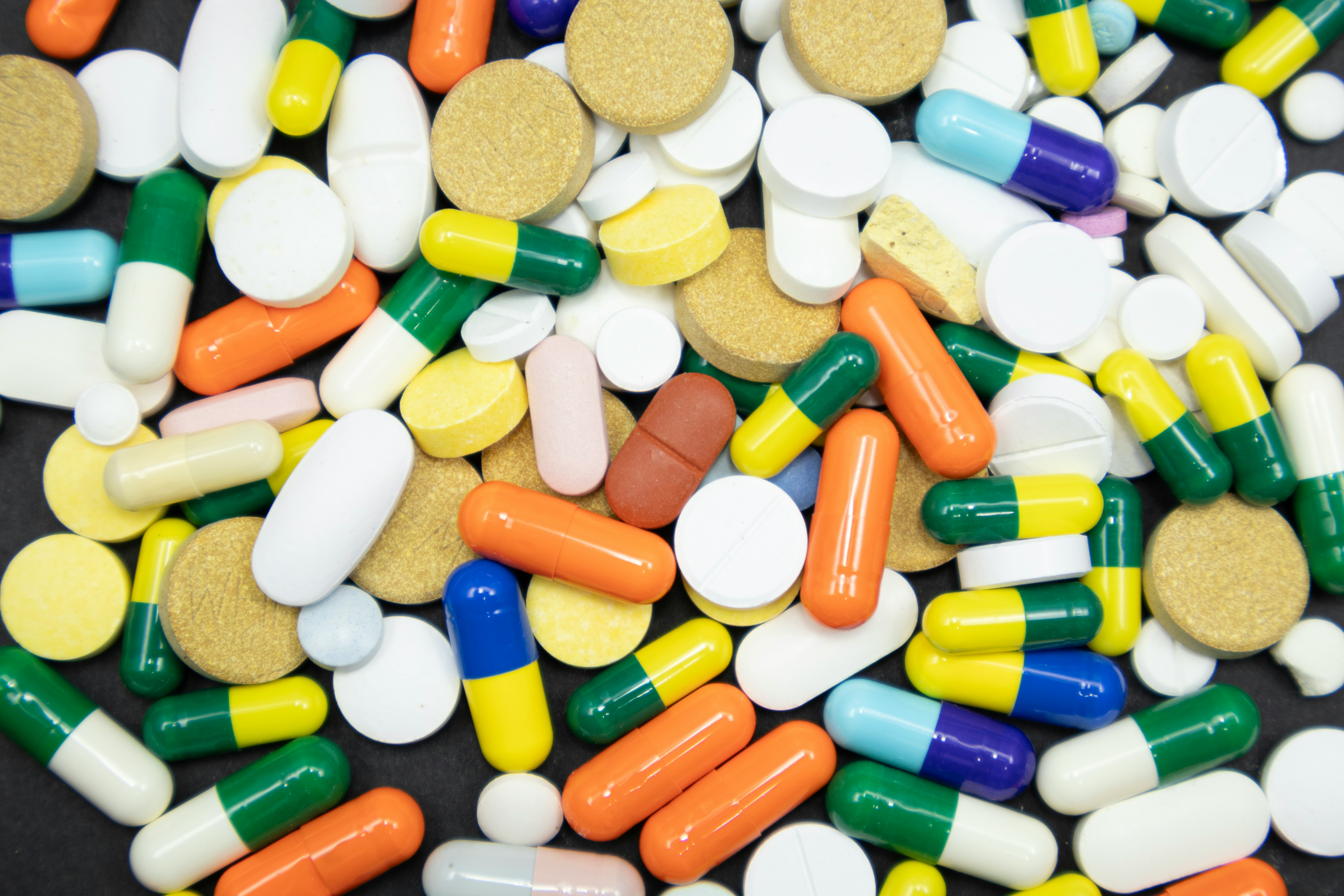
An active pharmaceutical ingredient is the substance in a medicinal product responsible for producing the intended pharmacological effect. APIs can be manufactured through chemical synthesis, fermentation, biotechnology or other specialised production processes.
For small-molecule medicines, API manufacturing can involve multiple stages, including:
Key starting materials and intermediates
Chemical reactions
Purification
Isolation
Filtration and drying
Milling or particle engineering
Analytical testing
Quality control and release
Biological APIs follow different production pathways and may involve cell culture, fermentation, purification and other highly controlled biological processes.
The API therefore represents much more than a commodity chemical. Its quality, consistency and manufacturing history directly influence the pharmaceutical product that ultimately reaches the market.
Global API Market Trends
The global API market continues to expand alongside pharmaceutical consumption and increasingly complex drug pipelines.
One recent market estimate places the global API market at approximately USD 245.7 billion in 2026, with a forecast of USD 368.7 billion by 2032, representing a projected CAGR of 6.95% from 2027 to 2032. The same analysis identifies Asia-Pacific as the fastest-growing regional market. Market estimates vary between research providers because of differences in definitions, datasets and methodology.
Several trends are particularly important for API manufacturers and buyers.
Growth in Generic Medicines
Generic medicines remain a major source of API demand. As pharmaceutical companies seek competitive manufacturing costs and reliable supply, API producers with established processes, regulatory experience and large-scale capacity continue to play an important role.
The generic market also creates significant demand for mature APIs such as cardiovascular, anti-infective, gastrointestinal and diabetes-related ingredients.
Rising Demand for Oncology APIs
Oncology is becoming an important growth area for API manufacturers. The development of targeted therapies and complex cancer medicines is increasing demand for specialised manufacturing capabilities.
High-potency APIs can require dedicated containment, specialised equipment, validated cleaning procedures and sophisticated worker-protection systems. This creates higher technical barriers to entry compared with conventional low- or medium-potency API production.
Biologic and Large-Molecule APIs
Biological APIs are expected to grow faster than traditional synthetic APIs in several market forecasts.
This includes demand associated with biologics, biosimilars, peptides and other advanced therapies. Manufacturing these products requires specialised facilities, analytical capabilities and highly controlled processes.
For API suppliers, this creates opportunities beyond conventional chemical synthesis, particularly for companies able to provide development, scale-up and commercial manufacturing services.
China and India in the Global API Supply Chain
China and India occupy central positions in global API manufacturing.
An analysis of FDA Drug Master File data reported that China and India together accounted for approximately 88% of active API DMFs in 2024, with China at about 45% and India at about 43%. The same analysis notes that China has a particularly important position in key starting materials and upstream chemical inputs, while India has developed substantial capabilities in later-stage API synthesis and generic-drug manufacturing.
This concentration creates both opportunities and risks.
China: Scale and Upstream Integration
China has developed extensive capabilities across chemical manufacturing, intermediates, KSMs and APIs. Its integrated chemical supply base can provide cost and scale advantages to pharmaceutical manufacturers.
However, dependence on a concentrated upstream supply chain can expose buyers to:
Raw-material price fluctuations
Production interruptions
Environmental or regulatory shutdowns
Logistics disruptions
Trade restrictions
Geopolitical risks
China's importance therefore remains substantial, but pharmaceutical companies increasingly evaluate Chinese supply alongside diversification strategies.
India: API and Pharmaceutical Manufacturing Hub
India has developed a large API manufacturing industry alongside one of the world's major generic pharmaceutical sectors.
The Indian API market is estimated at approximately USD 15.28 billion in 2026 and is forecast to reach USD 23.59 billion by 2032, according to Mordor Intelligence. Its analysis projects merchant and contract API manufacturing to be among the faster-growing business models.
India's opportunities extend from conventional small-molecule APIs to fermentation-based ingredients, biologics, peptides and contract manufacturing.
India’s Push Toward API Manufacturing
India is also actively attempting to reduce dependence on imported APIs and upstream materials.
According to India's Department of Pharmaceuticals, the country imported approximately USD 4.35 billion of APIs, bulk drugs and drug intermediates across 200 categories during FY2024–25. China accounted for approximately 73.7% of those imports.
The Indian government has responded through initiatives including the Production Linked Incentive (PLI) scheme and Bulk Drug Parks.
As of March 2026, the government reported that 33 of 41 identified critical products had been subscribed under the bulk-drug PLI programme, with 48 greenfield projects approved and committed investment of approximately ₹4,329.95 crore.
This creates potential opportunities for local production of critical APIs, KSMs and intermediates while supporting broader pharmaceutical supply-chain diversification.
Captive, Merchant and Contract API Production
API production is not limited to pharmaceutical companies manufacturing ingredients for their own medicines.
Captive API Manufacturing
Captive manufacturing involves producing APIs primarily for internal pharmaceutical operations.
Advantages can include:
Greater control over supply
Integration between API and formulation production
Process optimisation
Reduced dependence on external suppliers
Better coordination of production planning
Large pharmaceutical companies with substantial formulation businesses may therefore maintain their own API manufacturing capabilities.
Merchant API Manufacturing
Merchant manufacturers produce APIs for external pharmaceutical customers.
This model allows specialised API producers to supply multiple customers without those customers having to build their own production facilities.
Contract API Manufacturing
Contract manufacturing is becoming increasingly important for pharmaceutical companies that want to outsource development or commercial production.
A contract API partner may support:
Process development
Scale-up
Clinical-stage supply
Commercial manufacturing
Analytical testing
Regulatory documentation
Recent market analysis projects merchant and contract API manufacturing to grow faster than some traditional captive segments, reflecting increasing outsourcing and specialised manufacturing requirements.
Sourcing Opportunities for Pharmaceutical Manufacturers
API sourcing is increasingly moving from a simple price-based decision toward a broader supply-risk assessment.
Diversification Beyond a Single Supplier
A low-cost single-source strategy can become problematic when the supplier experiences a manufacturing interruption.
USP's 2025 drug-shortage analysis found that 33 of 75 medicines in shortage depended on at least one KSM produced exclusively in a single country. The report identified geographic concentration of KSM and API manufacturing as an important supply-chain vulnerability.
For critical APIs, manufacturers can therefore consider:
Dual sourcing
Multi-country sourcing
Regional safety stocks
Alternative qualified suppliers
Local or near-market production
Greater visibility into KSM suppliers
India as a Diversification Option
India provides an established alternative sourcing base for many APIs, particularly generic-drug ingredients.
Its large pharmaceutical manufacturing ecosystem and expanding contract-manufacturing sector can provide opportunities for buyers seeking alternatives or additional sources.
However, sourcing from India does not automatically eliminate upstream risk. Some Indian API manufacturers remain dependent on Chinese KSMs and intermediates, meaning buyers should examine the entire supply chain rather than only the final API manufacturing location.
European and North American Production
European and North American suppliers can offer proximity to major regulated pharmaceutical markets and, in some cases, specialised capabilities for complex or high-value APIs.
Domestic production may reduce certain logistical and geopolitical risks, although it can involve higher manufacturing costs.
The commercial opportunity is therefore strongest in areas where technical complexity, supply security or regulatory requirements justify a premium over commodity API sourcing.
API Production Opportunities by Product Type
Synthetic APIs
Synthetic APIs remain the largest segment of the global market.
Opportunities exist in:
Cardiovascular APIs
Diabetes-related APIs
Gastrointestinal APIs
Anti-infective APIs
Neurology APIs
Oncology APIs
Hormonal APIs
Established manufacturing processes and large-volume demand make many synthetic APIs attractive to high-capacity producers.
High-Potency APIs
High-potency APIs require more sophisticated manufacturing environments.
Potential supplier advantages include:
Containment systems
Specialised production equipment
Occupational exposure controls
Dedicated facilities
Advanced analytical testing
Regulatory experience
These technical requirements can create higher barriers to entry and reduce competition compared with commodity API production.
Peptide APIs
Peptides represent an increasingly important specialised API category.
Manufacturers with solid-phase and liquid-phase peptide synthesis capabilities can participate in growing demand for peptide-based therapies.
This area requires specialised chemistry, purification and analytical capabilities, creating opportunities for CDMOs and specialist API manufacturers.
Biologic APIs
Biologic APIs require a fundamentally different manufacturing infrastructure from conventional synthetic APIs.
Opportunities include:
Recombinant proteins
Monoclonal antibodies
Biosimilars
Fermentation-based APIs
Advanced biological drug substances
The higher technical and capital requirements can make biologic API manufacturing attractive for specialised suppliers with validated facilities and experienced technical teams.
API Pricing and Supply-Chain Pressures
Price remains an important factor in API procurement, particularly for mature generic medicines.
However, recent events demonstrate why buyers need to look beyond the quoted API price.
In 2026, disruptions linked to the West Asia crisis contributed to increases in the prices of several Chinese-sourced APIs and pharmaceutical inputs. Indian pharmaceutical manufacturers reported pressure from higher API and feedstock costs, while domestic inventories provided some temporary protection against immediate shortages.
For buyers, the practical lesson is that the lowest unit price may not represent the lowest overall procurement risk.
Total sourcing cost should also consider:
Freight
Insurance
Inventory requirements
Lead times
Quality testing
Regulatory qualification
Supplier audits
Currency exposure
Emergency sourcing costs
Quality and Regulatory Requirements
API sourcing requires careful assessment of supplier quality systems.
Pharmaceutical buyers should examine:
GMP compliance
Certificate of analysis
Drug Master File availability where applicable
Manufacturing-site history
Regulatory inspection records
Impurity profiles
Residual solvent controls
Elemental impurity controls
Nitrosamine risk assessment where relevant
Stability data
Change-control procedures
Batch traceability
Quality cannot be separated from supply-chain security. A supplier that offers a low price but has weak quality systems can create significant downstream regulatory and manufacturing costs.
How to Select an API Supplier
A robust supplier qualification process should evaluate the complete supply chain.
Technical Assessment
Confirm:
API specification
Assay and purity
Impurity profile
Particle-size requirements
Polymorphic form where relevant
Residual solvents
Microbiological requirements where applicable
Stability
Packaging and storage conditions
Regulatory Assessment
Review:
GMP certificates
Regulatory filings
DMF availability
Inspection history
Change-notification procedures
Regulatory-market experience
Documentation required for registration
Commercial Assessment
Compare:
API price
Minimum order quantity
Production capacity
Lead time
Payment terms
Freight costs
Inventory requirements
Supply continuity
Backup manufacturing options
Supply-Chain Assessment
Ask suppliers about:
KSM sources
Critical intermediates
Single-source dependencies
Alternative manufacturing sites
Business-continuity plans
Disaster recovery
Inventory buffers
This level of due diligence is increasingly important because API supply risk can originate several stages upstream from the API producer itself.
Opportunities for API Suppliers
The API market is becoming more attractive for manufacturers that can move beyond commodity production.
Potential growth areas include:
Complex synthetic APIs
High-potency APIs
Oncology APIs
Peptides
Biologic drug substances
Fermentation-based APIs
Contract API manufacturing
Process development
Analytical services
Integrated API and intermediate manufacturing
Suppliers can also differentiate themselves through regulatory support, technical development, multi-site manufacturing and supply-chain transparency.
For mature APIs, cost efficiency and reliable large-scale production remain essential. For specialised APIs, however, technical capabilities and regulatory credibility can be equally important competitive advantages.
What API Buyers Should Watch
The next phase of API sourcing is likely to focus increasingly on resilience rather than lowest price alone.
China and India will remain central to global API supply, but pharmaceutical companies are exploring additional manufacturing locations, dual sourcing and regional production to reduce concentration risks. At the same time, complex APIs, biologics, peptides and high-potency ingredients are creating opportunities for specialised manufacturers and CDMOs.
For buyers, the most competitive sourcing strategy will combine price, quality, regulatory reliability and supply-chain visibility. Understanding where an API is manufactured is only the first step; understanding where its KSMs and critical intermediates originate can be just as important.
Sources:
Beta Pinene
Found this useful?