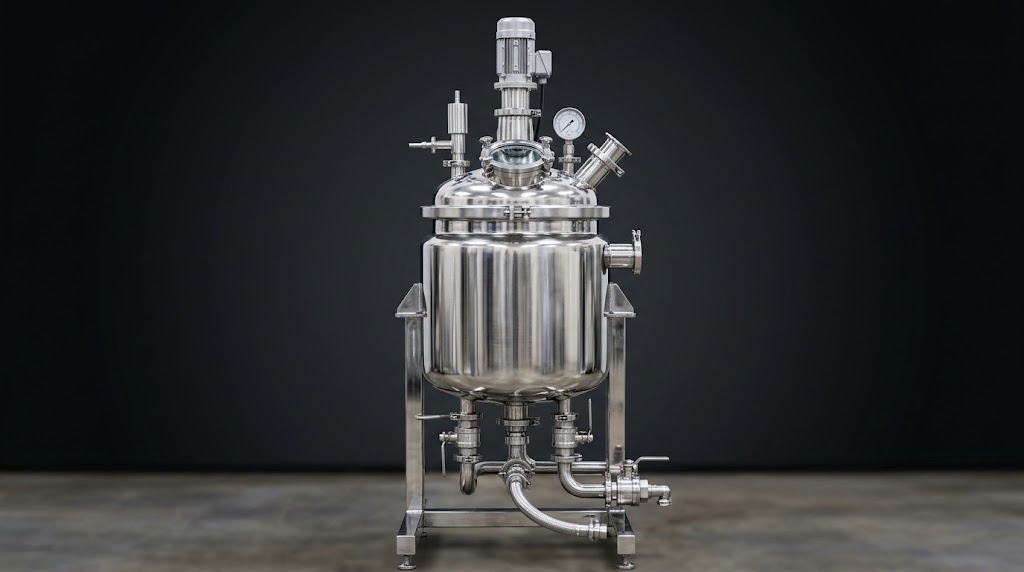
ADC Manufacturing Bottleneck Highlights Limited End-to-End Conjugation Capacity
The fast-growing antibody-drug conjugate (ADC) market faces a critical infrastructure hurdle. A severe scarcity of contract manufacturers capable of handling full ADC production is emerging as a major capacity constraint. This bottleneck affects the entire supply chain from initial antibody generation to final payload conjugation.
Procurement managers and chemical traders must navigate this constrained landscape carefully to secure vital manufacturing slots. Buyers seeking reliable partners must look for facilities that bridge the biological and chemical divide. Understanding these dynamics is essential for successful product launches.
The Complexity of End-to-End ADC Production
ADCs represent one of the most intricate modalities in modern oncology. They require the precise integration of three distinct components. These include the monoclonal antibody, the chemical linker and the highly potent cytotoxic payload.
Manufacturing these elements separately and then conjugating them demands specialized facilities. Standard biopharmaceutical plants often lack the containment infrastructure required for toxic payloads. Similarly, traditional small molecule facilities cannot handle large-scale biological fermentation.
This dichotomy creates a massive gap in the current market. Only a handful of specialized contract development and manufacturing organizations possess the integrated capabilities to manage the entire workflow. Buyers must verify that potential partners can handle every stage of this complex process.
How the Capacity Constraint Impacts Supply Chains
The limited number of end-to-end providers creates intense competition for manufacturing slots. Biopharmaceutical companies frequently face extended lead times when scaling their ADC candidates. This delay directly impacts clinical trial timelines and eventual market entry.
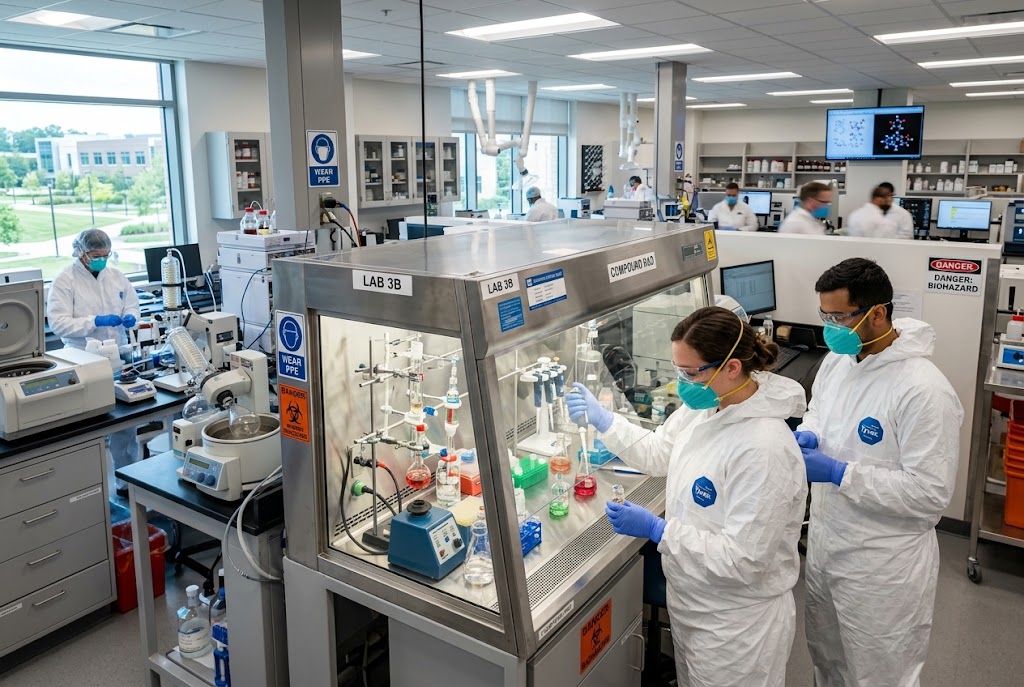
Procurement teams must secure capacity reservations years in advance. Relying on fragmented supply chains with multiple vendors introduces significant handoff risks. Each transfer of material between different facilities increases the potential for contamination or data loss.
Traders should anticipate premium pricing for integrated manufacturing services. The scarcity of qualified providers grants them substantial leverage in contract negotiations. Buyers must balance these higher costs against the risk of project failure or regulatory delays.
Key Drivers Behind the ADC Manufacturing Surge
Several factors are accelerating the demand for external ADC manufacturing support. The clinical success of recent oncology approvals has validated the modality globally. Pharmaceutical companies are rapidly expanding their internal ADC pipelines to capitalize on this trend.
Many of these companies lack the internal infrastructure to support complex conjugation processes. Outsourcing to specialized CDMOs offers a faster and more cost-effective route to commercialization. This strategic shift drives unprecedented volume toward the few capable service providers.
Regulatory agencies are also streamlining approval pathways for targeted therapies. This supportive environment encourages further investment in ADC development globally. Consequently, the demand for specialized manufacturing capacity continues to outpace new facility construction.
Evaluating Partners for Conjugation Capabilities
Selecting the right manufacturing partner requires rigorous technical due diligence. Procurement managers must verify a provider's experience with specific linker technologies. Different payloads require distinct conjugation chemistries and purification methods.
Facilities must demonstrate robust analytical capabilities to characterize the final product. Measuring the drug-to-antibody ratio accurately is critical for regulatory approval. Suppliers lacking advanced mass spectrometry and chromatography equipment pose a significant compliance risk.
Buyers should also assess the scalability of the provider's operations. A partner capable of supporting early-phase clinical trials must also have a clear path to commercial-scale production. This continuity prevents the need for costly and time-consuming technology transfers later.
Regulatory and Quality Considerations
Regulatory agencies scrutinize ADC manufacturing processes heavily. Consistency in conjugation ratios and purity levels is mandatory for approval. Manufacturers must demonstrate robust control strategies for each production step.
Quality agreements must specify testing methods and acceptance criteria clearly. Discrepancies in analytical results can delay regulatory submissions significantly. Procurement teams should ensure alignment on quality standards upfront to avoid future bottlenecks.
Supply chain transparency is vital for strict regulatory compliance. Tracking raw materials from source to final product is a mandatory requirement. Digital serialization systems help maintain this chain of custody effectively throughout the manufacturing lifecycle.
Strategic Sourcing Responses for Procurement Teams
Procurement leaders must adopt proactive strategies to mitigate ADC supply chain risks. Building long-term strategic partnerships is far more effective than transactional sourcing. Collaborative relationships foster joint problem-solving during complex process development phases.
Consider the following strategic actions for the coming year:
Audit internal development pipelines against external manufacturing capabilities. Identifying specific technical gaps helps target the right CDMO partners early in the process. This proactive assessment prevents costly mid-project vendor switches.
Negotiate master service agreements with flexible capacity options. Securing future slots protects projects against sudden market scarcity and price inflation. These agreements should include clear escalation paths for urgent clinical needs.
Establish stringent quality and regulatory expectations within initial contracts. Defining these standards upfront prevents costly disputes during clinical or commercial phases. Both parties must agree on audit rights and data sharing protocols.
Monitor industry expansions and new facility announcements continuously. Staying informed about emerging capacity helps identify alternative sourcing opportunities before competitors do. Traders should maintain a diversified vendor list to ensure supply chain resilience.
The Bottom Line for Pharmaceutical Buyers
The scarcity of end-to-end antibody-drug conjugate manufacturing capacity presents a formidable challenge. This bottleneck threatens to slow the delivery of innovative oncology therapies to patients. Buyers must act decisively to secure partnerships with qualified integrated providers.
Companies that prioritize strategic alignment and technical compatibility will navigate this constraint successfully. Access to reliable conjugation capacity ensures continuity for critical pharmaceutical portfolios. The future of oncology procurement belongs to those who plan ahead and value specialized expertise. Ready to source Maleic Anhydride from verified global suppliers? Explore competitive offers on our platform today.
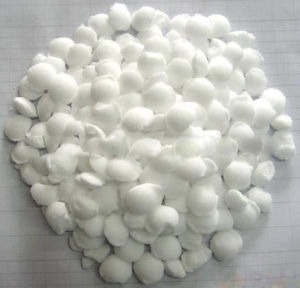
Maleic Anhydride
Found this useful?