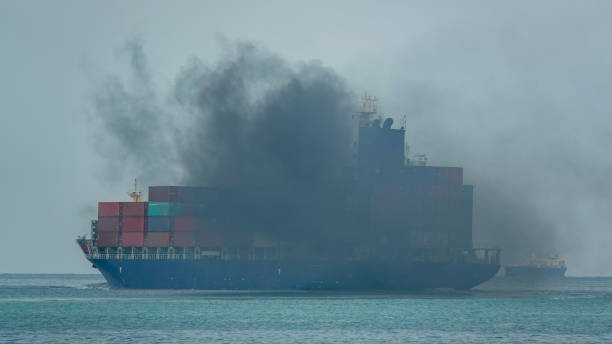
ADNOC Tanker Attack Highlights Human Cost of Maritime Transits
The recent attack on an ADNOC tanker that claimed a mariner’s life has drawn global attention to the vulnerabilities of commercial shipping. While headlines focus on the immediate tragedy, the incident reveals deeper systemic issues that affect tanker safety, crew welfare, marine insurance, and the reliability of chemical supply chains.
1. The Human Toll of Targeted Attacks
1.1 Immediate Consequences
When a tanker is struck, the crew faces sudden exposure to toxic chemicals, fire, or structural damage. The loss of a single crew member is a stark reminder that every vessel is a floating, high‑risk community.
1.2 Long‑Term Psychological Impact
Survivors often experience post‑traumatic stress, anxiety, and reduced morale—factors that can lower operational efficiency and increase error rates in subsequent voyages.
2. Tanker Safety Protocols in the Face of Emerging Threats
2.1 Shielding Against Physical Attacks
Hull Reinforcement – thicker steel and internal blast‑proofing reduce damage from kinetic attacks.
Compartmentalization – isolating critical systems limits cascading failures.
Advanced Surveillance – real‑time satellite and onboard sensors detect hostile activity early.
2.2 Chemical Handling Precautions
Improved venting systems, leak‑detection alarms, and automatic shutdown protocols are essential to prevent catastrophic releases during combat or sabotage.
3. Crew Welfare: Beyond Physical Safety
3.1 Mandatory Safety Training
Regulatory bodies now require crew to undergo regular drills that simulate attacks, chemical spills, and fire scenarios. These drills increase crew confidence and readiness.
3.2 Health Support and Insurance Coverage
Mariners often lack comprehensive medical insurance. Post‑incident, many operators are reevaluating benefit packages to cover mental health services and long‑term care.
4. Marine Insurance: A Costly Reflection of Risk
4.1 Rising Premiums
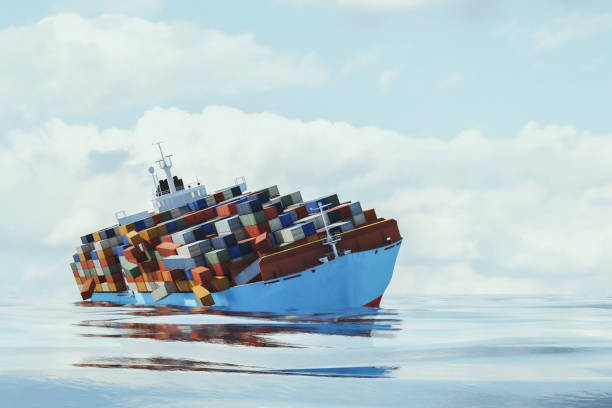
Insurers recalibrate rates based on threat assessments. A single high‑profile attack can triggerLights the entire fleet’s premiums, especially forാഴ്ച chemical carriers.
4.2 Coverage Gaps
Standard policies may exclude damages from intentional attacks. Operators must negotiate supplemental policies, which further inflates costs.
5. Chemical Shipping and Supply Chain Resilience
5.1 Disruption of Timelines
Attacks force rerouting, which extends transit times and increases fuel consumption. Delays can cascade into shortages for downstream industries.
5.2 Inventory Management Strategies
Companies are diversifying storage locations and building buffer stocks to mitigate the risk of single‑point failures Glendale in shipping.
6. Strategic Responses and Policy Recommendations
6.1 Enhancing Maritime Security Cooperation
International collaboration—sharing intelligence, joint patrols, and unified response protocols—reduces the likelihood of successful attacks.
6.2 Implementing Resilience hsvs Measures
Investing in crew well‑being programs, advanced safety technologies, and robust insurance portfolios strengthens overall supply chain resilience.
Calcium Hydroxide - China
Found this useful?