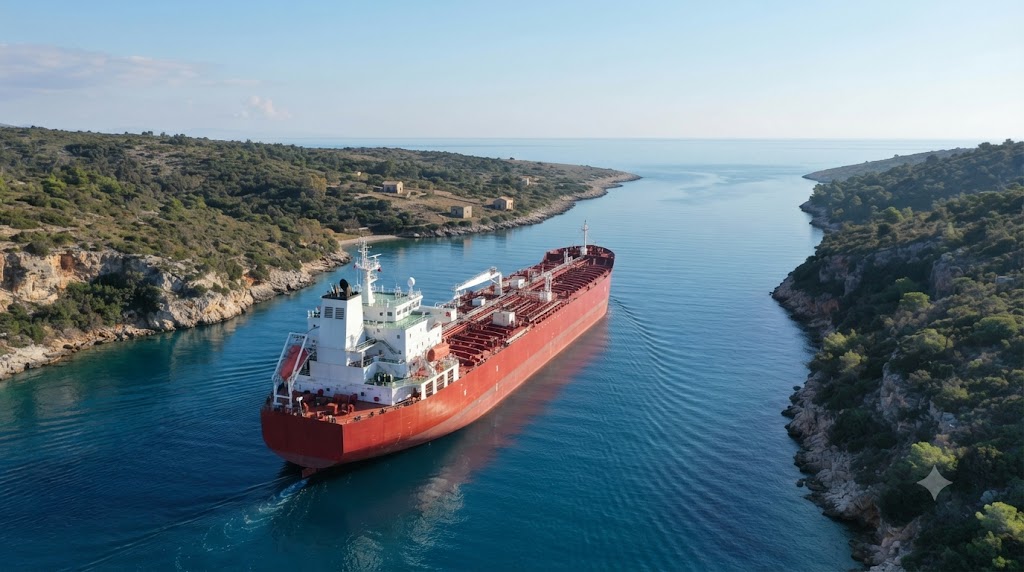
ADNOC Tankers Hit in Hormuz: Impact on Gulf Commodity Chemical Shipping
The Strait of Hormuz remains a critical artery for global energy and chemical trade. Recent projectile attacks on two UAE ADNOC tankers transiting this narrow waterway have sent immediate shockwaves through Gulf commodity chemical shipping networks.
The incident resulted in the tragic death of one mariner and injuries to several others. This escalation forces procurement managers and chemical traders to confront severe supply chain vulnerabilities.
Freight insurance premiums are already spiking across the region. Delivery schedules face immediate and unpredictable disruption. Buyers relying on Middle Eastern chemical exports must act swiftly to secure alternative logistics and adjust inventory strategies.
Immediate Fallout for Gulf Chemical Exporters
ADNOC operates a massive fleet transporting crude oil, refined products and petrochemical feedstocks. A direct hit on these vessels signals a severe escalation in regional maritime security threats.
The Gulf region relies heavily on uninterrupted maritime transit to maintain its position as a top global chemical exporter. Insurance underwriters react instantly to such kinetic events.
War risk premiums for vessels transiting the Hormuz corridor typically jump by several percentage points within hours. These added costs do not remain isolated within the shipping sector.
Shipping lines pass premium increases directly to chemical shippers through emergency surcharges. Exporters must then decide whether to absorb these costs or pass them to international buyers. This dynamic creates immediate friction in ongoing contract negotiations.
Disruption Across Key Chemical Supply Chains
The Gulf region supplies vast quantities of polyethylene, polypropylene and methanol to global markets. Any interruption in maritime transit directly impacts availability in Asia and Europe.
Polyethylene and polypropylene producers in the UAE and Saudi Arabia rely on consistent vessel availability. Delays at loading ports create immediate bottlenecks for downstream processors.
Buyers holding just-in-time inventory face the highest operational risk. A single delayed vessel can halt manufacturing operations for days.
Market participants are already observing several critical disruptions:
Freight rate volatility: Spot charter rates for chemical tankers increase rapidly as owners demand higher compensation for perceived risk. This volatility makes budget forecasting nearly impossible for procurement teams.
Cargo rerouting: Some operators may choose longer, safer routes around the Cape of Good Hope. This decision adds weeks to transit times and significantly increases bunker fuel consumption.
Port congestion: Alternative loading and discharge ports experience sudden bottlenecks. Vessels avoiding the immediate conflict zone overwhelm regional infrastructure not designed for sudden volume spikes.
The Human and Operational Toll on Maritime Crews
The loss of a mariner and injuries to others highlight the severe human cost of these maritime incidents. Shipping companies must prioritize crew safety above all commercial considerations.
Human life always supersedes cargo delivery timelines. Many maritime unions and shipping associations are already advising vessels to avoid the Strait of Hormuz unless absolutely necessary.
This voluntary avoidance further restricts available tonnage in the region. Captains possess the ultimate authority to refuse transit through declared war risk zones.
Chemical traders must recognize that vessel availability will shrink rapidly. Crews will demand substantial hazard pay or refuse transit altogether without adequate protection. Procurement teams cannot force a vessel to sail into a known combat zone.
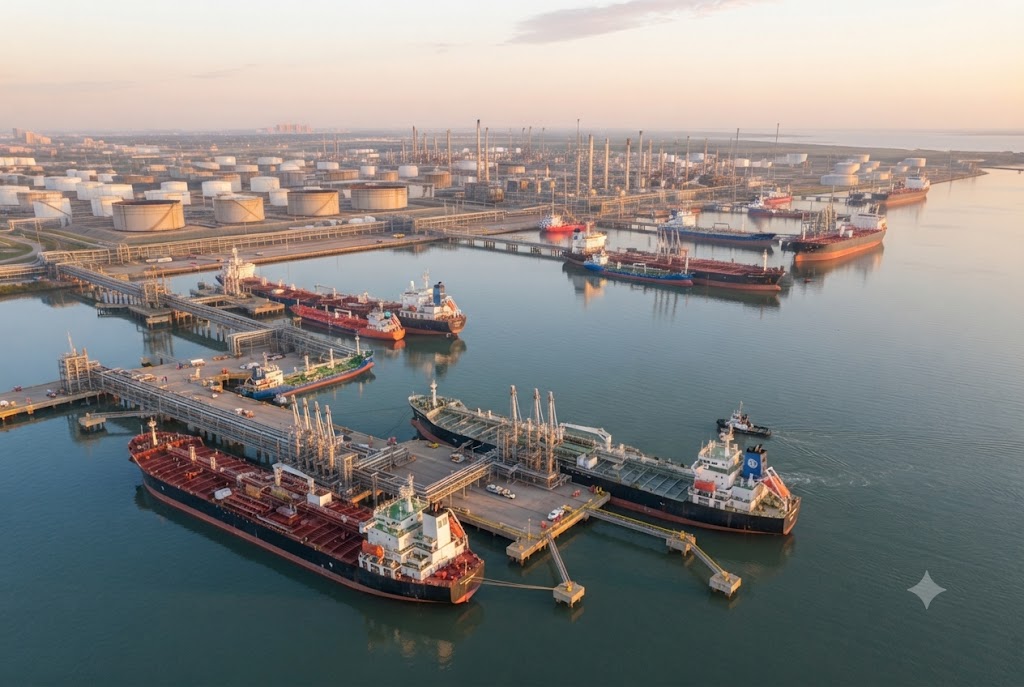
Freight Rate Volatility and Charter Market Dynamics
The charter market reacts violently to geopolitical shocks in major shipping chokepoints. Owners of chemical tankers immediately withdraw vessels from the Gulf region to await clearer security assessments.
This sudden withdrawal creates an artificial shortage of available shipping capacity. Spot rates for specialized chemical carriers can double within a matter of days.
Buyers who previously relied on flexible spot market bookings now face severe capacity constraints. Long-term contract holders may find their vessels reassigned to safer, more lucrative routes.
Logistics managers must also account for secondary cost increases. Longer transit times mean vessels spend more days at sea, reducing the total number of voyages a ship can complete annually. This reduced fleet efficiency drives baseline freight costs higher across all global trade lanes.
Regulatory and Insurance Responses to Maritime Threats
International maritime regulators closely monitor incidents involving commercial tankers. The Joint War Committee frequently updates its listed areas of heightened risk based on real-time intelligence.
These updates directly dictate global marine insurance practices. When a zone receives a heightened risk designation, standard marine insurance policies automatically exclude coverage.
Shippers must purchase separate war risk insurance to protect their cargo. This additional layer of bureaucracy significantly slows down the chartering process.
Procurement teams will experience longer lead times when booking chemical shipments from the Gulf. Underwriters require detailed voyage plans and security protocols before issuing coverage. Delays in securing insurance inevitably delay the physical movement of chemical commodities.
Impact on Downstream Manufacturing and Pricing
Sustained shipping disruptions inevitably translate into higher prices for end users. Chemical manufacturers facing delayed feedstock deliveries must either halt production or source materials locally at a premium.
Both scenarios erode profit margins across the supply chain. Low Density Polyethylene (LDPE) markets are particularly sensitive to these logistical shocks.
Asian converters relying on Gulf LDPE imports will see prompt availability tighten rapidly. Suppliers will likely declare force majeure if vessels cannot safely reach loading terminals.
Buyers must prepare for suppliers to invoke contractual escape clauses. Force majeure declarations become common when maritime routes become impassable. Procurement professionals should review their existing contracts to understand their rights and obligations during such disruptions.
Strategic Sourcing Adjustments for Procurement Teams
Chemical buyers cannot control geopolitical events. They can, however, adapt their sourcing strategies to mitigate the impact of Gulf commodity chemical shipping disruptions.
Proactive planning is the only reliable defense against maritime volatility. Diversifying supplier geography remains the most effective long-term strategy.
Sourcing methanol or polyolefins from North America or Europe reduces exposure to Middle Eastern maritime chokepoints. Regional sourcing may carry a higher base price but offers superior supply chain reliability.
Buyers should also renegotiate Incoterms with their current suppliers. Shifting from FOB to CIF terms transfers the freight and insurance risk to the supplier during transit. This simple contractual change shields the buyer from sudden logistics cost spikes.
Consider implementing these immediate tactical adjustments:
Increase safety stock levels: Holding additional inventory buffers protects against sudden multi-week delivery delays. The cost of carrying extra inventory is often lower than the cost of a production shutdown.
Secure long-term freight contracts: Locking in shipping rates now provides budget certainty before premiums climb further. Fixed-rate agreements shield your business from spot market volatility.
Evaluate alternative chemical grades: Some applications can tolerate slight specification changes. This flexibility allows buyers to source from different, safer geographic regions without compromising product quality.
What Buyers Should Do Now
The attack on ADNOC tankers marks a dangerous new phase for Gulf commodity chemical shipping. Procurement professionals must treat maritime security as a core component of their supply chain risk management.
Ignoring these signals invites severe operational and financial consequences. Monitor maritime security advisories and insurance zone updates daily.
Engage logistics partners early to understand their contingency plans for Hormuz transit. Transparent communication with suppliers will reveal who is truly prepared to maintain service levels.
Building resilient, diversified supply networks takes time and deliberate effort. The organizations that act decisively today will maintain production continuity while others face costly delays.
Ready to source commodity chemicals from verified global suppliers? Explore competitive offers on our platform today.

Low Density Polyethylene (LDPE)
Found this useful?