Again's Texas Plant Already Uses Dow's Waste CO2 to Make Acetic Acid
The chemical industry is witnessing a groundbreaking shift in sustainable manufacturing with the operational success of Again in Texas. Since 2025, the company has produced acetic acid at a dedicated facility using carbon dioxide captured directly from neighboring Dow operations.
This innovative co-location model represents a major leap forward for circular economy principles in industrial chemistry. Procurement managers and chemical traders must pay close attention to this development. It demonstrates a viable pathway to decarbonize essential chemical feedstocks without compromising production scale.
Buyers seeking sustainable alternatives will find this model highly relevant to their long-term sourcing strategies. The integration of waste carbon into valuable chemical building blocks is no longer a theoretical concept. It is a commercial reality reshaping the global acetic acid market. This operational milestone proves that industrial symbiosis can drive both environmental and commercial value.
The Co-Location Model Transforming Acetic Acid Production
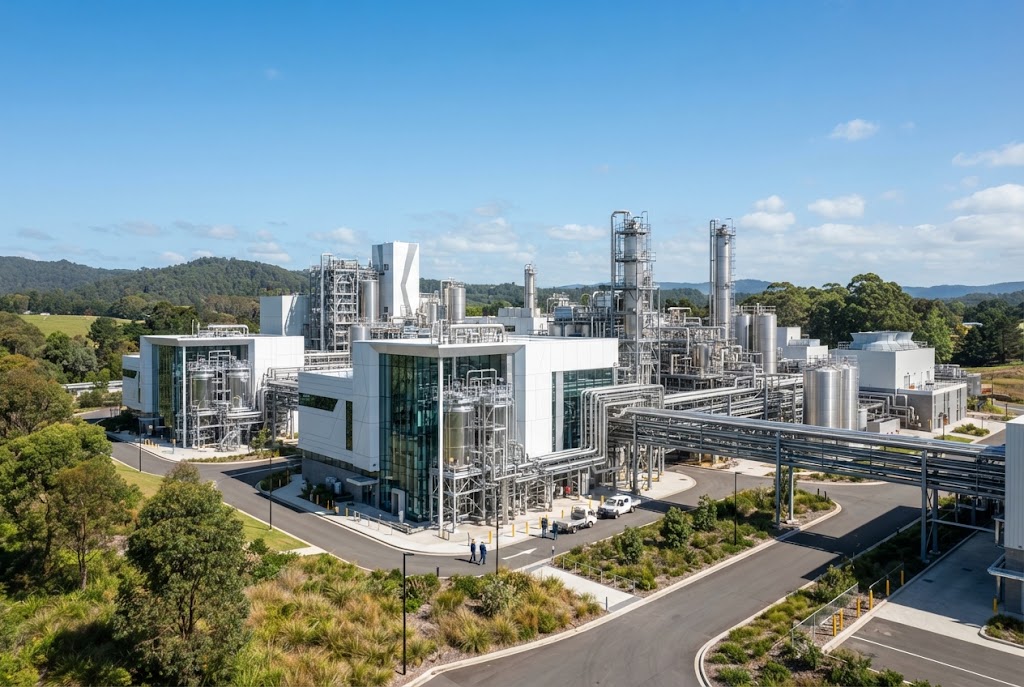
Again has established a highly efficient operational framework at its Texas facility. The plant utilizes waste CO2 streams from adjacent Dow manufacturing operations as a primary feedstock. This direct pipeline transfer eliminates the need for long-distance carbon transportation.
The proximity of the two facilities drastically reduces logistical costs and associated emissions. It also ensures a consistent and reliable supply of captured carbon for the conversion process. Procurement teams can rely on this stable input to forecast production volumes accurately.
Traditional carbon capture projects often struggle with the economics of transporting compressed CO2. The co-location strategy completely bypasses this major financial hurdle. Companies are increasingly recognizing the value of shared infrastructure in reducing their overall carbon footprint.
Buyers should expect more joint ventures and shared industrial parks in the coming years. This model sets a new standard for how chemical manufacturers can collaborate on sustainability. The Texas facility serves as a proven blueprint for future chemical manufacturing hubs globally.
Scaling Production with Genomatica Technology
The success of the Texas plant provides a strong foundation for future expansion. Again plans to scale this co-location model by integrating advanced biological synthesis methods. The recent acquisition of Genomatica brings decades of fermentation expertise to this ambitious effort.
Genomatica’s proprietary microbial strains can convert carbon sources into high-value chemicals with exceptional efficiency. Combining this biological capability with Again’s carbon capture infrastructure creates a powerful hybrid production system. This synergy will likely accelerate the commercialization of new biobased chemical derivatives.
Traditional catalytic conversion of CO2 requires extreme temperatures and significant energy input. Biological synthesis offers a much gentler and more energy-efficient alternative pathway. This technological advantage will ultimately lower the production costs of sustainable chemicals over time.
Traders should anticipate a broader portfolio of sustainable molecules emerging from this partnership. The ability to produce complex chemicals from waste carbon will open entirely new market opportunities. Procurement professionals must stay informed about these technological advancements to secure future supply chains.
Market Impact on Global Acetic Acid Supply Chains
The traditional production of acetic acid relies heavily on fossil-based methanol carbonylation. The introduction of carbon-neutral acetic acid disrupts this established supply chain dynamic significantly. Buyers now have a verifiable low-carbon alternative for their critical manufacturing processes.
This shift influences global trade flows as sustainability mandates become stricter worldwide. Regions with aggressive carbon reduction targets will prioritize suppliers offering certified green chemicals. The Texas facility positions Again as a key player in the North American sustainable chemical market.
Downstream industries such as vinyl acetate monomer production will benefit directly from this innovation. Manufacturers of adhesives and paints can now reduce the carbon footprint of their final products. This creates a powerful marketing advantage in environmentally conscious consumer markets.
Importers and exporters must adapt to new documentation requirements for carbon accounting. Proof of carbon capture and utilization will become a standard prerequisite in procurement contracts. This trend heavily favors producers who can provide transparent and auditable environmental data.
Key Drivers Accelerating Sustainable Chemical Adoption
Several market forces are driving the rapid adoption of carbon-neutral chemicals like acetic acid. Regulatory pressures from governments worldwide are mandating lower emissions across all industrial sectors. Companies face financial penalties or restricted market access if they fail to comply with these rules.
Corporate sustainability goals also play a critical role in this global transition. Major brands are committing to net-zero emissions across their entire value chain by 2050. This top-down pressure forces procurement teams to source greener raw materials immediately.
Consumer demand for environmentally responsible products further accelerates this market trend. Manufacturers recognize that using sustainable feedstocks significantly enhances their brand reputation. The co-location model in Texas directly addresses these multifaceted market drivers very effectively.
Financial institutions are also beginning to tie lending rates to environmental performance metrics. Companies with robust decarbonization strategies can access capital at more favorable terms. This financial incentive further encourages investment in innovative chemical production technologies.
Challenges in Scaling Carbon Utilization Facilities
Despite the clear advantages, expanding carbon utilization facilities presents significant operational hurdles. Securing long-term agreements for waste CO2 requires complex negotiations between neighboring industrial entities. Both parties must align their operational schedules and strict safety protocols.
Capital expenditure for building specialized conversion infrastructure remains substantial for any company. Investors demand clear pathways to profitability before funding large-scale green chemical projects. The Texas facility proves the concept but scaling it globally requires significant financial commitment.
Market pricing for green chemicals also poses a persistent challenge for the industry. Producers must balance the premium associated with sustainable manufacturing against the cost sensitivity of buyers. Achieving cost parity with traditional fossil-based production is essential for widespread market adoption.
The energy source used for the conversion process is another critical factor. If the facility relies on grid electricity generated from fossil fuels the overall carbon benefit diminishes. Integrating renewable energy sources is mandatory to achieve true carbon-neutral chemical production.
What Procurement Teams Need to Know
Procurement leaders must evaluate their current acetic acid supply chains for immediate decarbonization opportunities. Engaging with suppliers who utilize carbon capture technology offers a direct path to reducing Scope 3 emissions. This proactive approach aligns perfectly with evolving corporate sustainability mandates.
Buyers should request detailed lifecycle assessments from their chemical providers regularly. Understanding the exact carbon footprint of the acetic acid you purchase is crucial for accurate environmental reporting. Suppliers with transparent data will become preferred partners in the coming years.
Building strategic relationships with innovators like Again ensures priority access to emerging green materials. Early adopters gain a distinct competitive advantage by securing supply before market demand outpaces production capacity. Procurement teams must act now to future-proof their chemical sourcing strategies.
Negotiating long-term contracts for sustainable chemicals can help lock in favorable pricing. These agreements provide suppliers with the revenue certainty needed to expand their green production capacity. Collaborative partnerships will define the next era of B2B chemical trading.
The Bottom Line for Chemical Buyers
The operational success of Again’s Texas facility marks a definitive turning point for the chemical industry. Utilizing waste CO2 from Dow operations to produce acetic acid proves that industrial symbiosis is commercially viable. This co-location model will undoubtedly influence future manufacturing investments globally.
Buyers and traders must adapt to this new reality where sustainability dictates market dynamics. Companies that integrate carbon-neutral feedstocks into their portfolios will lead the transition toward a greener economy. The future of chemical trading belongs to those who embrace innovative production methods. Ready to source acetic acid from verified global suppliers? Explore competitive offers on our platform today.
This shift influences global trade flows as sustainability mandates become stricter worldwide. Regions with aggressive carbon reduction targets will prioritize suppliers offering certified green chemicals. The Texas facility positions Again as a key player in the North American sustainable chemical market.
Downstream industries such as vinyl acetate monomer production will benefit directly from this innovation. Manufacturers of adhesives and paints can now reduce the carbon footprint of their final products. This creates a powerful marketing advantage in environmentally conscious consumer markets.
Importers and exporters must adapt to new documentation requirements for carbon accounting. Proof of carbon capture and utilization will become a standard prerequisite in procurement contracts. This trend heavily favors producers who can provide transparent and auditable environmental data.
Key Drivers Accelerating Sustainable Chemical Adoption
Several market forces are driving the rapid adoption of carbon-neutral chemicals like acetic acid. Regulatory pressures from governments worldwide are mandating lower emissions across all industrial sectors. Companies face financial penalties or restricted market access if they fail to comply with these rules.
Corporate sustainability goals also play a critical role in this global transition. Major brands are committing to net-zero emissions across their entire value chain by 2050. This top-down pressure forces procurement teams to source greener raw materials immediately.
Consumer demand for environmentally responsible products further accelerates this market trend. Manufacturers recognize that using sustainable feedstocks significantly enhances their brand reputation. The co-location model in Texas directly addresses these multifaceted market drivers very effectively.
Financial institutions are also beginning to tie lending rates to environmental performance metrics. Companies with robust decarbonization strategies can access capital at more favorable terms. This financial incentive further encourages investment in innovative chemical production technologies.
Challenges in Scaling Carbon Utilization Facilities
Despite the clear advantages, expanding carbon utilization facilities presents significant operational hurdles. Securing long-term agreements for waste CO2 requires complex negotiations between neighboring industrial entities. Both parties must align their operational schedules and strict safety protocols.
Capital expenditure for building specialized conversion infrastructure remains substantial for any company. Investors demand clear pathways to profitability before funding large-scale green chemical projects. The Texas facility proves the concept but scaling it globally requires significant financial commitment.
Market pricing for green chemicals also poses a persistent challenge for the industry. Producers must balance the premium associated with sustainable manufacturing against the cost sensitivity of buyers. Achieving cost parity with traditional fossil-based production is essential for widespread market adoption.
The energy source used for the conversion process is another critical factor. If the facility relies on grid electricity generated from fossil fuels the overall carbon benefit diminishes. Integrating renewable energy sources is mandatory to achieve true carbon-neutral chemical production.
What Procurement Teams Need to Know
Procurement leaders must evaluate their current acetic acid supply chains for immediate decarbonization opportunities. Engaging with suppliers who utilize carbon capture technology offers a direct path to reducing Scope 3 emissions. This proactive approach aligns perfectly with evolving corporate sustainability mandates.
Buyers should request detailed lifecycle assessments from their chemical providers regularly. Understanding the exact carbon footprint of the acetic acid you purchase is crucial for accurate environmental reporting. Suppliers with transparent data will become preferred partners in the coming years.
Building strategic relationships with innovators like Again ensures priority access to emerging green materials. Early adopters gain a distinct competitive advantage by securing supply before market demand outpaces production capacity. Procurement teams must act now to future-proof their chemical sourcing strategies.
Negotiating long-term contracts for sustainable chemicals can help lock in favorable pricing. These agreements provide suppliers with the revenue certainty needed to expand their green production capacity. Collaborative partnerships will define the next era of B2B chemical trading.
The Bottom Line for Chemical Buyers
The operational success of Again’s Texas facility marks a definitive turning point for the chemical industry. Utilizing waste CO2 from Dow operations to produce acetic acid proves that industrial symbiosis is commercially viable. This co-location model will undoubtedly influence future manufacturing investments globally.
Buyers and traders must adapt to this new reality where sustainability dictates market dynamics. Companies that integrate carbon-neutral feedstocks into their portfolios will lead the transition toward a greener economy. The future of chemical trading belongs to those who embrace innovative production methods. Ready to source acetic acid from verified global suppliers? Explore competitive offers on our platform today.
Glacial Acetic Acid (99,8%) - China
Found this useful?