Agricultural Biological Products: Understanding the Biopesticide and Biostimulant Supply Chain
terminal
prodchem
Jul 8, 2026
Agricultural biological products are transforming modern farming by offering sustainable solutions for crop protection and plant nutrition. As growers seek environmentally responsible alternatives and integrated crop management strategies, biopesticides and biostimulants have become some of the fastest-growing segments in the global agricultural inputs market.
Unlike conventional agrochemicals, biological products are often based on living microorganisms, naturally occurring compounds, or plant-derived materials. Their production, formulation, storage, and distribution require specialized supply chain management to preserve product quality and biological activity.
For procurement professionals, sourcing biological products involves unique technical and logistical considerations. Understanding these differences is essential for selecting reliable suppliers, maintaining product efficacy, and supporting long-term business growth.
What Are Agricultural Biological Products?
Agricultural biological products include naturally derived solutions designed to improve crop health, productivity, and resilience.
The two primary categories are:
Biopesticides – products that help manage insects, diseases, and other pests using biological organisms or naturally derived substances.
Biostimulants – products that enhance nutrient use efficiency, plant growth, and tolerance to environmental stress without acting as fertilizers or pesticides.
These products complement conventional crop protection and nutrition programs rather than completely replacing them.
Understanding Biopesticides
Biopesticides use naturally occurring organisms or biological compounds to control agricultural pests.
Major categories include:
Microbial Biopesticides
Contain beneficial microorganisms such as bacteria, fungi, viruses, or protozoa that suppress specific pests or diseases.
Biochemical Biopesticides
Derived from naturally occurring substances that influence pest behavior or development.
Plant-Incorporated Protectants (PIPs)
Plants produce protective substances through specific genetic traits that help defend against target pests.
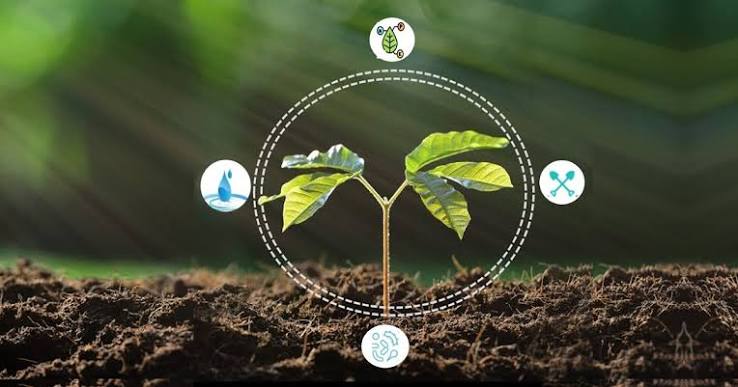
Biostimulants improve plant performance by enhancing natural biological processes.
Rather than supplying nutrients directly, they help plants use available nutrients more efficiently and improve tolerance to environmental stress.
Common biostimulant categories include:
Seaweed extracts
Humic substances
Fulvic acids
Protein hydrolysates
Beneficial microorganisms
Amino acid formulations
How Biological Supply Chains Differ
Biological products require specialized manufacturing and logistics compared with conventional agrochemicals.
Living Active Ingredients
Many biological products contain living microorganisms that must remain viable until application.
Maintaining biological activity is essential for consistent product performance.
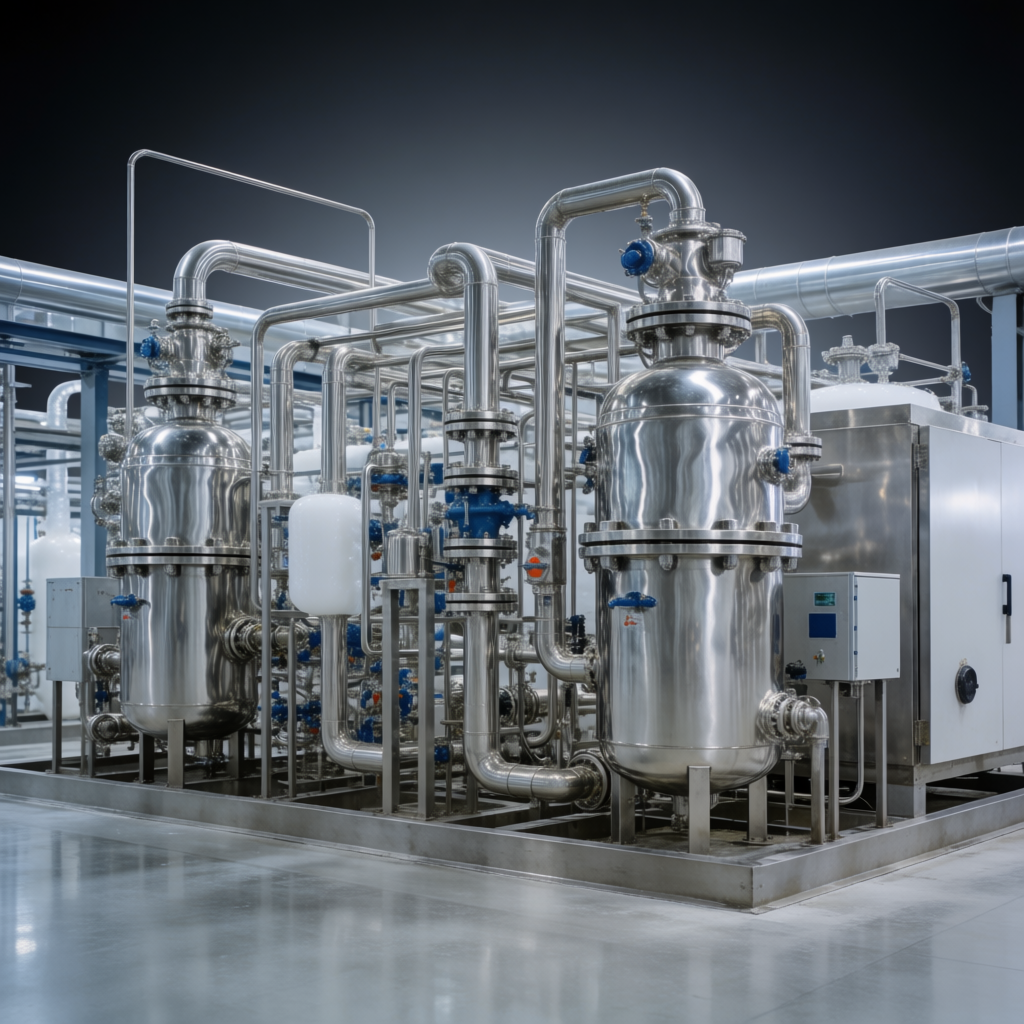
Fermentation-Based Production
Many microbial products are produced through controlled fermentation processes.
Manufacturing requires careful monitoring of:
Temperature
Nutrient supply
Oxygen levels
Culture purity
Process consistency
Even minor variations can influence product quality.
Specialized Formulation
Formulation development focuses on protecting biological organisms while maintaining product stability.
Manufacturers must balance:
Shelf life
Microbial viability
Ease of application
Storage stability
User safety
Cold Chain Distribution
Some biological products require temperature-controlled transportation and storage.
Cold-chain logistics help preserve microorganism viability throughout the distribution process.
Maintaining temperature control reduces the risk of product degradation before reaching customers.
Procurement Considerations
Biological product procurement requires evaluation criteria beyond traditional chemical specifications.
Supplier Expertise
Select suppliers with demonstrated experience in biological manufacturing and quality management.
Evaluate:
Fermentation capability
Technical expertise
Manufacturing standards
Research investment
Quality Assurance
Reliable biological suppliers should maintain strict quality control programs that verify:
Microbial identity
Viability
Purity
Product consistency
Batch performance
Storage and Logistics
Assess suppliers' ability to manage:
Refrigerated transportation
Warehouse conditions
Temperature monitoring
Inventory management
Effective logistics protect product quality throughout the supply chain.
Regulatory Documentation
Depending on the target market, procurement teams should verify:
Product registrations
Safety Data Sheets (SDS)
Technical Data Sheets (TDS)
Certificates of Analysis (COA)
Regulatory compliance documentation
Shelf Life
Unlike many conventional agrochemicals, biological products may have shorter shelf lives.
Inventory planning should align with expected demand to reduce waste and maintain product quality.
Market Growth Drivers
Several factors continue to support growth in agricultural biological products.
These include:
Sustainable farming practices
Integrated pest management (IPM)
Soil health improvement
Precision agriculture
Environmental regulations
Consumer demand for sustainable food production
As adoption increases, biological products are becoming an important part of modern crop production systems.
Building a Resilient Biological Supply Chain
Successful procurement strategies should focus on both product quality and operational reliability.
Best practices include:
Diversifying qualified suppliers
Conducting supplier audits
Monitoring cold-chain performance
Validating product quality
Maintaining appropriate inventory levels
Investing in technical training
These measures help ensure consistent product availability and customer satisfaction.
Long-Term Outlook
Agricultural biological products are expected to play an increasingly important role in global crop production as growers adopt more sustainable and integrated farming practices. Advances in microbial research, fermentation technology, and formulation science are improving the performance, stability, and commercial availability of biological solutions across diverse agricultural markets.
For procurement professionals, managing biological supply chains requires a different approach than conventional agrochemicals. Success depends on selecting experienced suppliers, maintaining strict quality assurance, preserving product viability through appropriate logistics, and building resilient sourcing strategies that support long-term market growth.
Key Takeaways
Biopesticides and biostimulants are among the fastest-growing segments of the agricultural inputs industry.
Biological products often contain living microorganisms that require specialized manufacturing, formulation, and storage.
Fermentation consistency, product viability, and cold-chain logistics are critical factors in biological supply chain management.
Procurement teams should evaluate supplier expertise, quality assurance systems, regulatory documentation, and logistics capabilities.
Building reliable supplier partnerships and maintaining proper inventory management are essential for successful biological product distribution.