Agricultural Residue Valorization: Bagasse and Rice Stubble as India's Next Feedstock Frontier
India is rapidly scaling domestic production of biosurfactants and biopolymers using agricultural waste. Sugarcane bagasse and rice stubble serve as the primary feedstocks for this emerging industry. The country leverages its massive volume of agricultural residue to reduce dependence on imported fossil fuels. This shift represents a concrete regional feedstock story with direct relevance to ASEAN facing supply chains. Procurement teams must monitor these developments as they reshape the availability of green chemical inputs. The transition from waste to value creates new opportunities for sustainable sourcing in Asia.
The Scale of Agricultural Residue in India
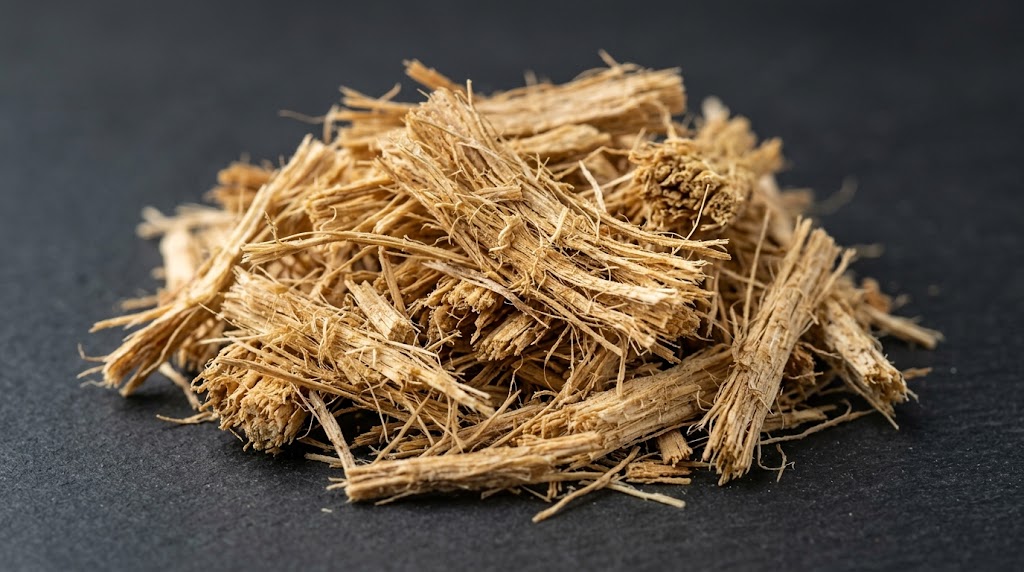
India generates millions of tons of agricultural residue annually. Sugarcane bagasse remains after juice extraction at sugar mills. Rice stubble is left in fields after harvest in northern states. Historically farmers burned this waste causing severe air pollution and health hazards. Government bans on burning have created a surplus of available biomass.
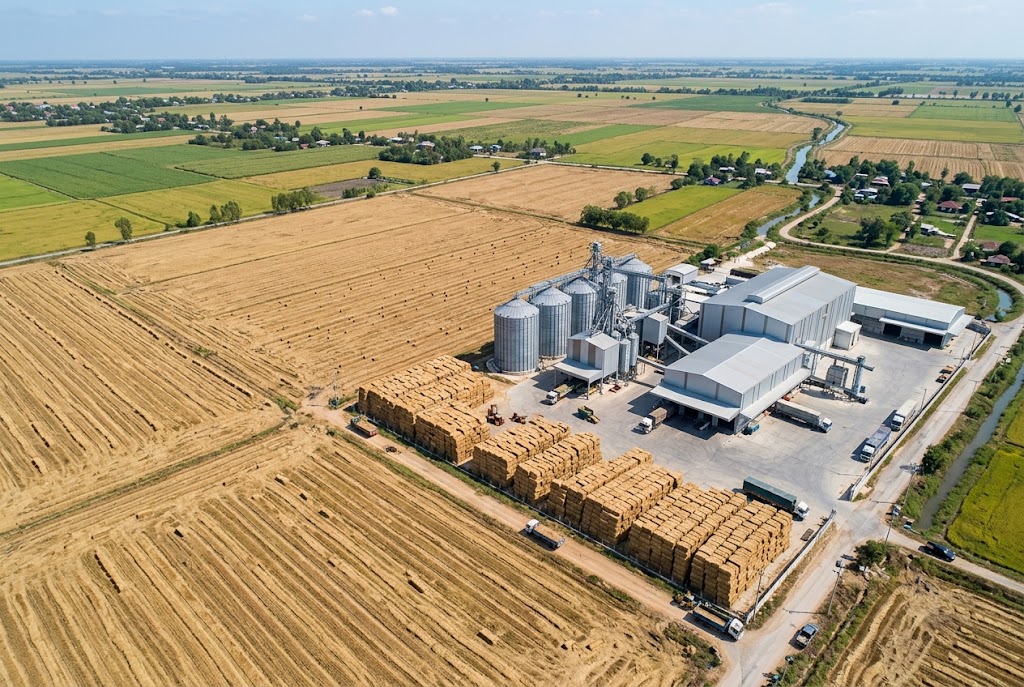
This abundance provides a low-cost and sustainable raw material base. Chemical producers can source these residues locally without competing for food crops. The logistical infrastructure for collection is improving through government incentives. Aggregators now collect baled straw and bagasse for industrial use. This systematic approach ensures consistent supply for biorefineries.
Procurement managers should note the seasonal nature of these feedstocks. Rice stubble is available post-harvest while bagasse aligns with the crushing season. Storage and preservation technologies allow year-round processing. Understanding these cycles helps buyers plan their inventory needs effectively.
From Waste to Biosurfactants and Biopolymers
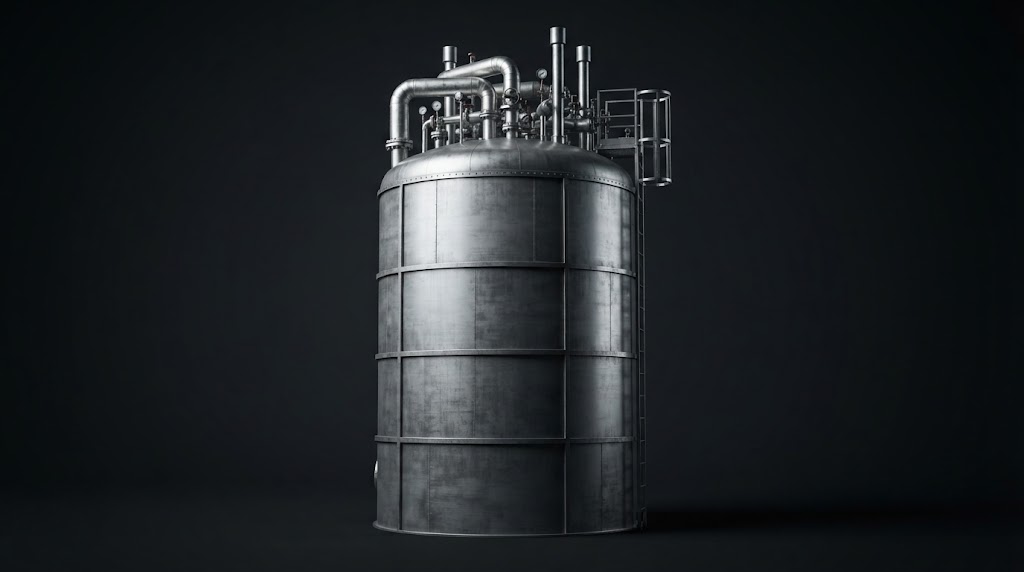
Advanced fermentation technologies convert cellulose and hemicellulose into valuable chemicals. Sugarcane bagasse yields sugars that microbes transform into biosurfactants. These bio-based alternatives replace petroleum-derived surfactants in detergents and personal care products. Rice stubble serves as a source for biopolymers used in packaging and textiles.
The chemical properties of these bio-based materials match or exceed traditional options. Biosurfactants offer better biodegradability and lower toxicity. Biopolymers provide similar strength and flexibility to conventional plastics. Performance parity makes them viable substitutes for mainstream applications.
Indian producers are investing heavily in pilot and commercial scale facilities. These plants demonstrate the technical feasibility of large-scale conversion. Output volumes are increasing as technology matures and efficiencies improve. Buyers can now source these materials with greater confidence in supply reliability.
Biosurfactants replace synthetic ingredients in cleaning and cosmetic formulations.
Biopolymers offer sustainable alternatives for single-use packaging materials.
Fermentation processes utilize non-food biomass to avoid ethical concerns.
Local production reduces carbon footprint associated with long-distance transport.
Implications for ASEAN Supply Chains
ASEAN countries face similar challenges with agricultural waste management. Thailand Vietnam and Indonesia generate significant amounts of rice husk and palm empty fruit bunches. India’s success with bagasse and stubble offers a replicable model for the region. Cross-border collaboration could enhance feedstock availability and technology transfer.
Supply chains in ASEAN are increasingly integrated with Indian manufacturing hubs. Proximity reduces shipping times and costs for regional buyers. Sourcing from India allows ASEAN companies to meet their sustainability targets efficiently. Regulatory alignment on green standards facilitates smoother trade flows.
Procurement teams in Southeast Asia should evaluate Indian suppliers for strategic partnerships. Joint ventures may accelerate the adoption of residue valorization technologies. Sharing best practices improves overall sector performance. Regional cooperation strengthens the competitive position of Asian bio-economies.
Economic and Environmental Benefits of Valorization
Converting agricultural residue into chemicals creates rural employment opportunities. Collection and processing activities generate income for farmers and local workers. This economic boost supports community development and poverty reduction. Governments view these initiatives as part of broader rural revitalization strategies.
Environmental benefits include reduced greenhouse gas emissions from burning. Utilizing waste prevents methane release from decomposing organic matter. Bio-based products also sequester carbon during their lifecycle. These factors contribute to national climate goals and international commitments.
Corporate buyers gain reputational advantages by sourcing from such initiatives. Supporting circular economy models enhances brand image and customer loyalty. Transparency in the supply chain allows for accurate sustainability reporting. Verified impact data strengthens marketing claims and stakeholder trust.
Technical Challenges and Quality Consistency
Variability in feedstock composition poses technical challenges for producers. Moisture content and impurity levels differ based on harvest conditions. Standardization protocols are essential for consistent product quality. Advanced preprocessing techniques help homogenize raw materials before conversion.
Producers must invest in robust quality control systems. Regular testing ensures that final products meet industry specifications. Certification schemes provide external validation of quality and sustainability. Buyers should request detailed certificates of analysis for each batch.
Collaboration between researchers and industry drives continuous improvement. Innovations in enzyme technology increase conversion efficiency. Better strains improve yield and reduce production costs. Keeping abreast of technological advancements helps buyers identify leading suppliers.
Regulatory Support and Policy Drivers
Indian government policies strongly support agricultural residue valorization. Subsidies for biorefinery construction lower capital investment barriers. Tax incentives encourage private sector participation in the bio-economy. Bans on stubble burning create regulatory pressure for alternative uses.
These policy drivers align with global trends toward sustainable chemistry. International agreements on plastic pollution boost demand for biopolymers. Carbon pricing mechanisms make bio-based options more competitive. Buyers operating in multiple jurisdictions benefit from this supportive regulatory environment.
Staying informed about policy changes helps anticipate market shifts. Engaging with industry associations provides insights into upcoming regulations. Proactive compliance ensures uninterrupted market access. Strategic alignment with policy goals secures long-term business viability.
Strategic Sourcing Recommendations for Buyers
Procurement teams should diversify their supplier base to include Indian bio-producers. Evaluating technical capabilities and financial stability is crucial. Site visits verify operational readiness and quality management systems. Long-term contracts secure supply and stabilize pricing.
Collaborating on product development leads to customized solutions. Suppliers can tailor biosurfactants for specific application requirements. Joint innovation projects foster deeper partnerships and mutual growth. Sharing market intelligence helps both parties navigate volatility.
Monitoring sustainability metrics ensures ongoing compliance. Regular audits verify adherence to environmental and social standards. Transparent communication builds trust and resolves issues quickly. Strategic sourcing transforms supplier relationships into competitive advantages.
The Bottom Line for Procurement Teams
India’s use of sugarcane bagasse and rice stubble marks a significant shift in chemical feedstocks. This agricultural residue valorization offers sustainable and scalable input sources. ASEAN supply chains stand to benefit from proximity and regional integration. Procurement teams must adapt to this new landscape by engaging with Indian producers.
Sourcing bio-based chemicals from agricultural waste supports circular economy goals. It reduces environmental impact and creates social value in rural communities. Buyers who act now secure early access to innovative and cost-effective materials. The future of chemical sourcing in Asia is green and localized.
Ready to source bio-based chemicals from verified global suppliers? Explore competitive offers on our platform today.

Corn Starch
Found this useful?