Air Liquide's Arizona Plant Adds to a String of US Chip-Linked Gas Investments
Air Liquide’s new Arizona facility represents the latest addition to a rapidly expanding portfolio of industrial gas investments linked to United States semiconductor manufacturing. Multiple suppliers are racing to secure long-term contracts with chipmakers as domestic fab construction accelerates under federal incentive programs. Ultra-pure hydrogen, nitrogen and specialty gases serve as essential inputs that cannot be substituted or stockpiled effectively.
This competitive capacity buildout creates both opportunities and complexities for procurement teams at semiconductor companies. Buyers gain leverage through multiple qualified suppliers vying for anchor tenant status at new facilities. However, overlapping project timelines risk creating localized oversupply in some regions while others face shortages. Strategic sourcing decisions made today will determine supply security and cost structures for decades of production operations.
Competitive Capacity Buildout Across Key Regions
Industrial gas companies have committed billions of dollars to new US facilities since 2022 in direct response to CHIPS Act funding announcements. Air Liquide, Linde, Air Products and Kanto Denka all pursue parallel expansion strategies targeting major fab clusters in Arizona, Texas, Ohio and New York. Geographic concentration reflects customer site selections rather than independent market analysis by gas suppliers. Proximity to fabs is non-negotiable due to purity requirements and delivery reliability expectations.
Competition intensifies as multiple suppliers target the same anchor customers within tight timeframes. Chipmakers benefit from competitive bidding dynamics that drive favorable commercial terms and service commitments. Suppliers differentiate through technical capabilities, sustainability credentials and integrated solution offerings beyond basic gas supply. Early movers securing signed contracts gain first-mover advantages in permit approvals and utility connections. Late entrants face higher barriers as prime sites and off-take agreements become scarce.
Essential Role of Ultra-Pure Hydrogen and Nitrogen
Hydrogen serves critical functions in epitaxial silicon deposition and annealing processes where atomic-level purity prevents device defects. Specifications routinely demand nine-nines purity with part-per-trillion impurity limits for advanced node fabrication. Achieving such standards requires specialized purification technologies and continuous analytical monitoring systems. Supply interruptions lasting minutes can destroy wafer lots worth millions of dollars in work-in-progress inventory.
Nitrogen provides inert blanketing, purge gas and carrier functions throughout virtually every fabrication step. Volume consumption dwarfs other gases but purity requirements remain stringent for yield-sensitive applications. On-site generation via cryogenic air separation units dominates bulk supply due to transportation impracticality at required volumes. Backup liquid nitrogen systems ensure continuity during maintenance or unexpected outages. Redundancy engineering represents significant capital expenditure justified only by catastrophic loss avoidance.
Long-Term Contract Structures and Commercial Terms
Take-or-pay agreements form the commercial foundation enabling multi-hundred-million-dollar gas plant investments. Contracts typically span fifteen to twenty years matching fab depreciation schedules and technology lifecycle expectations. Minimum volume commitments guarantee revenue streams supporting debt financing and equity returns. Price escalation clauses link adjustments to energy indices and inflation metrics rather than spot market volatility. This structure transfers demand risk from supplier to customer in exchange for supply security guarantees.
Negotiation leverage shifts dramatically based on timing relative to fab construction milestones. Early engagement allows buyers to influence plant design specifications and secure preferential pricing tiers. Delayed contracting forces acceptance of standard terms with limited customization options. Suppliers prioritize customers demonstrating credible commitment through signed letters of intent or memorandum of understanding documents. Procurement teams should initiate commercial discussions eighteen to twenty-four months before planned production start dates to maximize negotiating position.

Sustainability Requirements Reshaping Supplier Selection
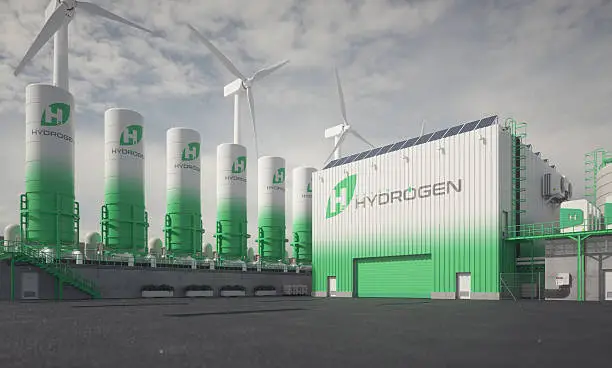
Semiconductor companies face mounting pressure to reduce Scope 3 emissions embedded in purchased materials and services. Gas suppliers must demonstrate credible decarbonization pathways through renewable power procurement or carbon capture integration. Low-carbon hydrogen produced via electrolysis commands premium pricing but satisfies corporate net-zero commitments increasingly mandated by investors and customers. Environmental product declarations and third-party certifications have evolved from optional disclosures to contractual obligations.
Suppliers investing early in green infrastructure gain competitive advantages during vendor selection processes despite potentially higher unit costs. Buyers evaluate total cost of ownership including carbon taxes, regulatory compliance expenses and reputational risks associated with high-emission supply chains. Partnership models emerge where gas providers co-invest in renewable energy projects specifically dedicated to serving semiconductor loads. Such arrangements align economic incentives with environmental objectives across extended value chains. Procurement scorecards now weight sustainability metrics equally with traditional quality and delivery performance indicators.
Regional Infrastructure Constraints and Permitting Challenges
Rapid capacity expansion strains local utility infrastructure and regulatory approval processes in emerging fab hubs. Power grid upgrades lag behind announced project timelines creating potential bottlenecks for energy-intensive gas plants. Water rights allocations generate controversy in arid regions like Arizona where semiconductor and municipal demands compete. Permitting delays can push operational start dates back by twelve to eighteen months regardless of construction progress. Buyers must factor infrastructure dependencies into their own capacity ramp assumptions.
Local content requirements and workforce development mandates add complexity to project execution. Suppliers must demonstrate community benefit commitments beyond tax payments to secure political support. Training partnerships with technical colleges address skilled labor shortages in specialized gas plant operations. Community engagement efforts mitigate opposition from residents concerned about industrial expansion impacts. Successful navigation of these non-technical factors often determines project viability more than engineering excellence alone. Procurement teams should assess supplier track records in managing stakeholder relationships alongside technical capabilities.
What Semiconductor Procurement Teams Should Do Now
Conduct comprehensive supply mapping exercises identifying current and future gas requirements across all planned fab expansions. Engage multiple suppliers early to understand capacity availability, commercial terms and technical differentiation factors. Initiate preliminary negotiations well before final investment decisions to preserve optionality and competitive tension. Document evaluation criteria transparently to ensure defensible vendor selection outcomes during internal audits.
Evaluate supplier sustainability roadmaps against corporate climate targets and emerging regulatory requirements. Request detailed carbon footprint data and renewable energy sourcing documentation for proposed supply arrangements. Incorporate environmental performance metrics into contract structures through bonus-penalty mechanisms aligned with decarbonization milestones. Build diversified supplier portfolios balancing regional convenience with geographic redundancy to mitigate concentration risks. These proactive measures position organizations to secure reliable, sustainable gas supplies supporting decades of semiconductor manufacturing growth.
Ready to source hexamethylene diisocyanate from verified global suppliers? Explore competitive offers on our platform today.
Sustainability Requirements Reshaping Supplier Selection
Semiconductor companies face mounting pressure to reduce Scope 3 emissions embedded in purchased materials and services. Gas suppliers must demonstrate credible decarbonization pathways through renewable power procurement or carbon capture integration. Low-carbon hydrogen produced via electrolysis commands premium pricing but satisfies corporate net-zero commitments increasingly mandated by investors and customers. Environmental product declarations and third-party certifications have evolved from optional disclosures to contractual obligations.
Suppliers investing early in green infrastructure gain competitive advantages during vendor selection processes despite potentially higher unit costs. Buyers evaluate total cost of ownership including carbon taxes, regulatory compliance expenses and reputational risks associated with high-emission supply chains. Partnership models emerge where gas providers co-invest in renewable energy projects specifically dedicated to serving semiconductor loads. Such arrangements align economic incentives with environmental objectives across extended value chains. Procurement scorecards now weight sustainability metrics equally with traditional quality and delivery performance indicators.
Regional Infrastructure Constraints and Permitting Challenges
Rapid capacity expansion strains local utility infrastructure and regulatory approval processes in emerging fab hubs. Power grid upgrades lag behind announced project timelines creating potential bottlenecks for energy-intensive gas plants. Water rights allocations generate controversy in arid regions like Arizona where semiconductor and municipal demands compete. Permitting delays can push operational start dates back by twelve to eighteen months regardless of construction progress. Buyers must factor infrastructure dependencies into their own capacity ramp assumptions.
Local content requirements and workforce development mandates add complexity to project execution. Suppliers must demonstrate community benefit commitments beyond tax payments to secure political support. Training partnerships with technical colleges address skilled labor shortages in specialized gas plant operations. Community engagement efforts mitigate opposition from residents concerned about industrial expansion impacts. Successful navigation of these non-technical factors often determines project viability more than engineering excellence alone. Procurement teams should assess supplier track records in managing stakeholder relationships alongside technical capabilities.
What Semiconductor Procurement Teams Should Do Now
Conduct comprehensive supply mapping exercises identifying current and future gas requirements across all planned fab expansions. Engage multiple suppliers early to understand capacity availability, commercial terms and technical differentiation factors. Initiate preliminary negotiations well before final investment decisions to preserve optionality and competitive tension. Document evaluation criteria transparently to ensure defensible vendor selection outcomes during internal audits.
Evaluate supplier sustainability roadmaps against corporate climate targets and emerging regulatory requirements. Request detailed carbon footprint data and renewable energy sourcing documentation for proposed supply arrangements. Incorporate environmental performance metrics into contract structures through bonus-penalty mechanisms aligned with decarbonization milestones. Build diversified supplier portfolios balancing regional convenience with geographic redundancy to mitigate concentration risks. These proactive measures position organizations to secure reliable, sustainable gas supplies supporting decades of semiconductor manufacturing growth.
Ready to source hexamethylene diisocyanate from verified global suppliers? Explore competitive offers on our platform today.

Acrylic Acid (99.5%) - China
Found this useful?