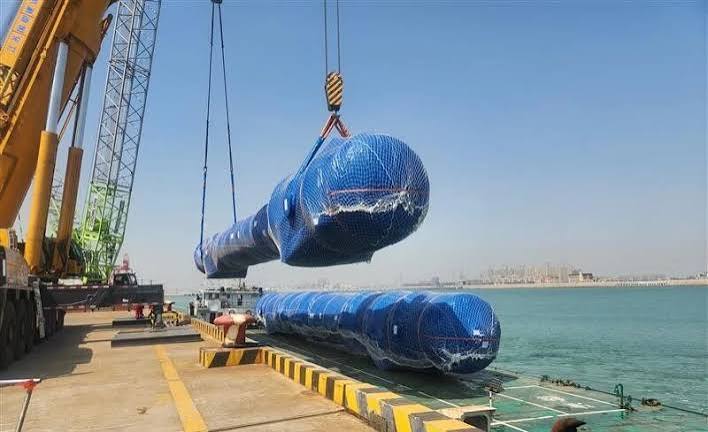
Air Separation Unit in Mexico Reaches Intermediate Handover
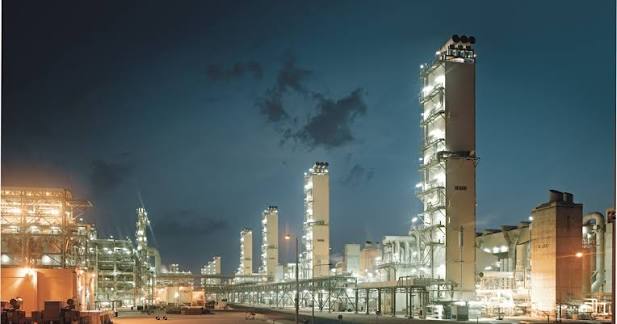
A 50,000 Nm³/h air separation unit (ASU) project for Cryoinfra in Mexico has reached intermediate handover, marking an important construction milestone for a major industrial-gas facility.
The installation project was jointly undertaken by China National Chemical Engineering Sixth Construction (CNCEC-CC6) and Hangyang Group and covers the installation of the ASU cold box and atmospheric storage tanks. The project is located in Mexico's Monterrey industrial area and represents the partners' first overseas project together.
The milestone is relevant beyond the individual project because large-scale ASUs provide the oxygen, nitrogen, and argon required by major industrial customers across metals, chemicals, manufacturing, and other sectors.
Why the Mexico ASU Matters
Air separation units are critical infrastructure for producing industrial gases at commercial scale.
Cryoinfra produces and distributes industrial gases including oxygen, nitrogen, argon, carbon dioxide, and hydrogen across Mexico. The company operates more than 30 plants and serves a broad industrial customer base.
A new 50,000 Nm³/h ASU can therefore strengthen regional production capability and support growing demand from Mexico's industrial economy.
Potential applications include:
Steel and metals processing
Chemical manufacturing
Refining and petrochemicals
Manufacturing
Food processing
Electronics
Water treatment
Industrial maintenance
What the Intermediate Handover Means
Intermediate handover is an important transition point in a complex industrial construction project.
For the Mexico facility, the milestone covers the installation work associated with the cold box and atmospheric storage tanks.
The cold box contains key cryogenic equipment used to separate atmospheric air into its principal industrial-gas components.
Reaching handover indicates that a major portion of the installation scope has progressed sufficiently for the project to move toward subsequent commissioning and operational activities.
It does not, however, mean the ASU is already in full commercial operation.
50,000 Nm³/h Scale
The project is designed around a 50,000 Nm³/h-class air separation unit, making it a significant industrial-gas installation.
Hangyang previously described the Mexico contract as a major export project providing the customer with a 50,000-level ASU together with engineering design, equipment supply, and installation services. The company said the equipment uses its independently developed technology, including its 50,000-level air compressor and booster.
The scale is important because high-capacity ASUs can support multiple large industrial consumers from a single production base.
EPC Collaboration Creates a Broader Opportunity
The project is particularly notable because it combines Hangyang's ASU technology and equipment capabilities with CNCEC-CC6's construction and installation expertise.
This creates an integrated model covering:
Engineering
Equipment supply
Installation
Construction management
International logistics
Commissioning preparation
For Chinese industrial-equipment companies, successful overseas projects can provide references for winning additional contracts in emerging industrial markets.
The Mexico project is being positioned as an important first step for the two companies' joint international expansion.
Mexico's Industrial Gas Demand
Mexico has a large industrial base spanning manufacturing, metals, chemicals, automotive production, energy, and food processing.
Industrial gases are used throughout these industries for applications such as:
Combustion enhancement
Metal cutting and welding
Heat treatment
Chemical reactions
Inerting
Food packaging
Cryogenic processing
Wastewater treatment
Cryoinfra's existing network illustrates the breadth of these applications. Its nitrogen offering, for example, is used in electronics, semiconductor-related applications, food packaging, cryogenic processing, heat treatment, and chemical reactions.
Competitive Intelligence
Companies tracking the industrial-gas market should monitor several indicators around the project.
1. Commissioning
The next important milestone will be the transition from construction and handover into commissioning and startup.
2. Production Capacity
Actual utilization will determine how much incremental industrial-gas supply reaches the Mexican market.
3. Industrial Demand
Growth in steel, manufacturing, chemicals, electronics, and food processing can influence regional gas demand.
4. Regional Infrastructure
The availability of storage and distribution infrastructure will affect how effectively additional production can reach customers.
5. Overseas EPC Expansion
The project provides a reference point for evaluating future international projects undertaken by Chinese ASU technology and construction companies.
Procurement Considerations
Industrial-gas buyers should assess new production capacity alongside distribution and reliability considerations.
Important factors include:
Gas purity and specifications
Production capacity
Supply reliability
Storage infrastructure
Delivery distance
Backup supply arrangements
Contract structure
Technical support
Emergency supply capability
For customers dependent on oxygen, nitrogen, or argon for continuous industrial processes, production reliability can be just as important as the headline gas price.
Supply-Chain Significance
The project also highlights the growing importance of localized industrial-gas infrastructure.
Producing gases closer to major industrial customers can potentially reduce dependence on long-distance transport of liquid gases and improve supply responsiveness.
The combination of local production, storage infrastructure, and established distribution networks can therefore strengthen industrial supply-chain resilience.
For Mexico, the project adds another large-scale industrial-gas asset to a market already supported by Cryoinfra's extensive national network.
Looking Ahead
The intermediate handover of the Cryoinfra 50,000 Nm³/h ASU marks a significant step toward completing the Mexico project.
The next stage will be particularly important as the facility moves toward commissioning and eventual operation. Once running, the unit could strengthen industrial-gas availability for Mexico's northeastern industrial corridor.
For EPC companies, equipment manufacturers, and industrial-gas suppliers, the project also demonstrates how large-scale air-separation technology is increasingly being deployed through international partnerships.
The broader trend is clear: as industrial production expands in emerging manufacturing hubs, localized oxygen, nitrogen, and argon production becomes an increasingly important part of industrial infrastructure.
Key Takeaways
Cryoinfra's 50,000 Nm³/h ASU project in Mexico has reached intermediate handover.
The project covers installation of the cold box and atmospheric storage tanks.
CNCEC-CC6 and Hangyang jointly undertook the project, their first overseas project together.
The project is located in the Monterrey industrial area and is designed to support Mexico's industrial-gas infrastructure.
Hangyang previously described the 50,000-level ASU as its largest-grade equipment exported to the Mexican market.
Cryoinfra operates more than 30 plants across Mexico and supplies gases including oxygen, nitrogen, argon, carbon dioxide, and hydrogen.
The next major milestone will be commissioning and eventual commercial operation.
Sources
https://chemxplore.com/news/mexico-air-separation-unit-project-handover

Sodium Bicarbonate (Technical) - Turkey
Found this useful?