The coatings industry entered a new phase of uncertainty after AkzoNobel rejected a contested €13 billion acquisition bid from Nippon Paints and Sherwin-Williams, stating that the offer undervalued the company. At the same time, Brent crude reversed to $79 per barrel following the ceasefire collapse, immediately changing cost expectations for coatings raw materials across H2 2026.
For procurement teams, these developments extend beyond corporate news. Coatings raw materials such as titanium dioxide, acrylic monomers, solvents and isocyanates already operate in volatile supply chains. When corporate uncertainty combines with rising feedstock costs, buyers need stronger forecasting, diversified sourcing and disciplined inventory planning.
Why the AkzoNobel M&A Situation Matters to Buyers
Large mergers or acquisition attempts often create uncertainty throughout the supply chain even before ownership changes occur. Suppliers, distributors and customers begin reviewing contracts, production priorities and long term commercial relationships.
For coatings manufacturers, procurement managers should monitor several potential developments:
Supplier negotiations may become more cautious while market participants assess future ownership and commercial direction.
Long term purchasing agreements could receive additional scrutiny as companies evaluate strategic priorities.
Buyers may experience greater competition for specialty raw materials if manufacturers adjust inventory strategies.
The uncertainty does not necessarily reduce material availability immediately. Instead, it increases the importance of flexible sourcing strategies.
Crude Oil Is Driving Higher Feedstock Costs
Many essential coating ingredients depend directly or indirectly on petroleum feedstocks. When Brent crude rises, production costs typically move higher throughout the value chain.
Several important materials face immediate pressure:
Acrylic monomers rely heavily on naphtha-derived feedstocks, making them particularly sensitive to crude price movements.
Organic solvents experience cost increases as refinery economics shift alongside higher oil prices.
Transportation expenses also rise, increasing delivered costs across international supply chains.
These combined pressures make H2 2026 budgeting significantly more complex than many procurement teams anticipated only weeks earlier.
Key Raw Materials Under Pressure
Not every coating ingredient reacts equally to market volatility. Buyers should focus their attention on materials with the strongest exposure to crude oil or geopolitical risks.
Among the most closely watched products are:
Titanium dioxide (TiO₂) remains one of the highest value ingredients in many coating formulations. Even moderate price adjustments can significantly affect finished coating costs.
Acrylic monomers continue responding to changes in upstream petrochemical pricing.
Solvents face simultaneous pressure from higher crude prices and freight costs.
MDI and related isocyanates remain vulnerable because regional production and export routes depend on stable Gulf logistics.
Understanding which materials carry the greatest pricing risk helps procurement teams prioritize contract negotiations and inventory decisions.
Supply Chain Risks Extend Beyond Oil Prices
Feedstock inflation represents only one part of today's procurement challenge.
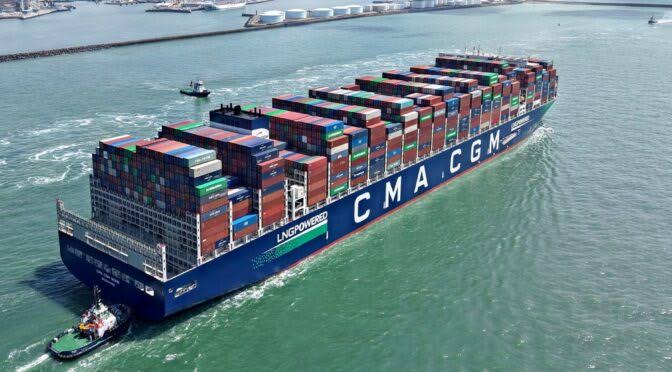
Supply disruption also deserves close attention. MDI exports from Gulf producers depend heavily on shipping routes linked to the Strait of Hormuz. Any disruption in regional logistics could tighten global availability regardless of overall production capacity.
Procurement teams should evaluate several operational risks:
Geographic concentration of suppliers may increase exposure to regional disruptions.
Longer shipping times can reduce inventory flexibility.
Rising insurance and freight costs may further increase delivered prices.
Diversified sourcing remains one of the strongest tools for reducing these risks.
Procurement Strategies for H2 2026
Successful procurement during volatile markets depends less on predicting prices perfectly and more on managing uncertainty effectively.
Several practical actions can improve purchasing resilience:
Review quarterly forecasts using updated crude oil assumptions rather than relying on earlier annual budgets.
Increase communication with key suppliers to understand expected lead time changes.
Evaluate secondary suppliers before disruptions occur instead of during shortages.
Monitor inventory levels for critical materials with limited substitute options.
Balance spot purchases against longer term contracts according to each material's volatility profile.
These actions help reduce exposure to sudden market shifts while maintaining production continuity.
How Cost Models Should Change
Many procurement models developed earlier in the year assumed lower energy prices. The return of Brent crude to $79 changes those assumptions across multiple cost categories.
Updated forecasting should include:
Higher solvent procurement costs.
Increased acrylic monomer pricing assumptions.
Elevated transportation expenses.
Greater contingency allowances for supply disruptions.
Possible contract renegotiation costs if suppliers experience significant input inflation.
Rather than focusing only on purchase prices, procurement teams should evaluate total landed cost across the full supply chain.
Regional Trade Dynamics
International coatings supply chains remain interconnected. A disruption in one producing region quickly influences pricing elsewhere through trade flows and inventory adjustments.
Importers in Asia, Europe and the Middle East continue competing for many of the same feedstocks. As demand shifts between regions, suppliers often prioritize customers with established purchasing relationships and predictable order volumes.
Exporters also face changing market conditions as freight rates, energy prices and currency movements influence overall competitiveness.
Companies with diversified supplier networks generally respond more effectively than organizations relying heavily on a single geographic source.
Looking Ahead for Coatings Procurement
The remainder of 2026 will likely require more active procurement management than the first half of the year. Corporate uncertainty surrounding AkzoNobel, combined with stronger crude oil prices and geopolitical supply risks, creates an environment where flexibility becomes a competitive advantage.
Procurement leaders should continue monitoring market developments while maintaining close communication with suppliers and logistics partners. Building resilient sourcing strategies today can reduce unexpected cost increases tomorrow and improve supply security during periods of market volatility.
Ready to source coatings raw materials from verified global suppliers? Explore competitive offers on our platform today.