Albemarle's 83% Cash Conversion Rate Reflects Successful Cost Discipline
Albemarle's Q2 free cash flow reached $638 million against $710 million of operating cash flow, producing an 83% cash conversion rate. For chemical traders, procurement managers and industrial buyers, this result offers a useful signal about how effectively a major chemical producer is turning operational performance into available liquidity.
The figure also puts greater focus on cost discipline. When a company converts a large share of operating cash flow into free cash flow, it creates more room to manage working capital, support investment and respond to changing market conditions.
Why Albemarle's 83% Cash Conversion Rate Matters
Cash conversion provides a practical way to assess how much operating cash flow remains available after the cash requirements associated with the business. Albemarle's Q2 performance shows that $638 million of free cash flow emerged from $710 million of operating cash flow.
The resulting 83% conversion rate indicates that a substantial portion of the cash generated through operations translated into free cash flow. That distinction matters because EBITDA or earnings growth alone does not guarantee stronger liquidity.
For chemical businesses operating across volatile raw material, energy and logistics markets, liquidity can influence strategic flexibility. Strong cash generation can help companies manage periods of softer demand without relying as heavily on external financing.
How Cost Discipline Supports Free Cash Flow
Albemarle's Q2 result demonstrates the connection between operating discipline and cash generation. Cost control can influence how much of the cash generated by operations remains available after the company funds its ongoing requirements.
The relationship is particularly important in chemical manufacturing, where production networks can involve substantial energy consumption, raw material requirements, maintenance spending and logistics costs. Even modest improvements in cost management can therefore affect cash availability.
A strong conversion rate can reflect several operational benefits:
Better cost control: Lower operating costs can allow a greater share of operating cash flow to translate into free cash flow.
Improved liquidity: Higher free cash flow gives management greater flexibility when allocating capital.
Greater financial resilience: Stronger internal cash generation can help a producer navigate market volatility.
More efficient operations: Cost discipline can reinforce efforts to align spending with production and demand requirements.
The 83% figure therefore carries significance beyond a single quarterly metric. It shows how financial discipline can connect directly with liquidity.
What the $638 Million Free Cash Flow Signals
Albemarle's $638 million Q2 free cash flow provides a concrete measure of the cash available after operating cash flow and the relevant cash requirements reflected in free cash flow. Compared with $710 million of operating cash flow, the result represents a relatively high level of cash retention.
For procurement teams, this kind of financial performance can offer another perspective when evaluating large chemical suppliers. Financial strength does not replace assessments of product quality, supply reliability or commercial terms, but it can contribute to a broader supplier risk assessment.
A producer with strong cash generation may have more capacity to maintain operations, fund strategic priorities and manage financial commitments. That can matter to buyers who depend on reliable supply over extended purchasing cycles.
Cash Conversion and Chemical Market Resilience
Chemical markets can experience sharp changes in demand, input costs and selling prices. Companies therefore need more than revenue growth to maintain resilience when market conditions shift.
A high cash conversion rate can strengthen that resilience by showing that operating cash flow is translating into free cash flow at a substantial level. Albemarle's Q2 result provides an example of how cost discipline can support this process.
For industry buyers, supplier resilience has practical importance. Procurement decisions often extend beyond the immediate transaction and include questions about whether a supplier can sustain production, maintain commercial relationships and support customers through changing market cycles.
Cash generation should therefore sit alongside operational indicators such as:
Production reliability and capacity utilization
Inventory availability and lead times
Regional supply coverage
Feedstock and energy exposure
Logistics performance
Long-term investment priorities
Together, these factors provide a more complete picture of supplier strength.
Why Liquidity Matters to Procurement and Trade Buyers
Procurement teams typically focus on price, specifications, availability and delivery conditions. Financial indicators can add another layer to this evaluation, particularly when buyers source strategically important chemicals or establish long-term supply arrangements.
Albemarle's 83% cash conversion rate suggests that its operating cash generation translated efficiently into free cash flow during the quarter. That can be relevant when assessing the financial dimension of supplier relationships.
Strong liquidity can support business activities that directly affect customers. These may include maintaining production assets, funding operational improvements and managing working capital requirements across supply chains.
For chemical traders, the implication can extend to counterparty evaluation. A financially disciplined producer may provide a different risk profile from a supplier that generates operating cash but struggles to convert that cash into available funds.
From EBITDA to Liquidity: The Procurement Perspective
EBITDA remains an important indicator of operating performance, but cash conversion shows what happens after operating performance translates into cash. Albemarle's Q2 numbers illustrate this distinction clearly.
The company generated $710 million in operating cash flow and converted $638 million of that amount into free cash flow. This relationship demonstrates why cash flow deserves attention when evaluating corporate performance in capital-intensive industries.
For buyers, the broader lesson is that cash generation can be as important as earnings growth when assessing supplier resilience. A producer that turns operating performance into liquidity efficiently has greater internal resources available for its business priorities.
This does not mean procurement teams should make sourcing decisions based on financial metrics alone. Instead, cash conversion can complement commercial and operational due diligence.
What Albemarle's Cost Discipline Could Mean for Market Participants
Albemarle's Q2 performance highlights the potential impact of maintaining strict control over costs while continuing to generate operating cash flow. The 83% conversion rate provides a measurable indication of how effectively cash generated from operations translated into free cash flow.
For chemical market participants, this creates several areas to monitor in future periods:
Sustained cash conversion: Repeated strong conversion would indicate that the Q2 performance forms part of a broader cash management trend.
Cost discipline: Continued control over operating expenses could help protect cash generation during changing market conditions.
Capital allocation: Free cash flow gives management greater flexibility when determining how to deploy internally generated funds.
Supplier resilience: Stronger liquidity can support the operational stability that downstream customers depend on.
Market competitiveness: Efficient cost structures can help chemical producers remain more responsive when pricing and demand conditions change.
The key consideration is whether strong conversion remains consistent as market conditions evolve. One quarter provides an important signal, while continued performance can provide a stronger indication of underlying financial discipline.
What Buyers Should Watch in Future Quarters
Albemarle's Q2 cash conversion rate gives procurement professionals a useful financial metric to add to supplier analysis. The combination of $710 million in operating cash flow and $638 million in free cash flow demonstrates a strong relationship between operational cash generation and liquidity.
Future quarterly results will help market participants assess whether this level of conversion can continue. Buyers can also track changes in operating cash flow, free cash flow and cost management alongside their regular evaluation of supply, pricing and logistics.
For chemical traders and procurement managers, the broader takeaway is straightforward. Effective cost discipline can turn operational performance into liquidity, and liquidity can strengthen a supplier's ability to navigate volatile markets.
Albemarle's 83% cash conversion rate therefore stands as an important Q2 signal for anyone monitoring the financial resilience of major chemical producers. Ready to source Magnesium Oxide from verified global suppliers? Explore competitive offers on our platform today.
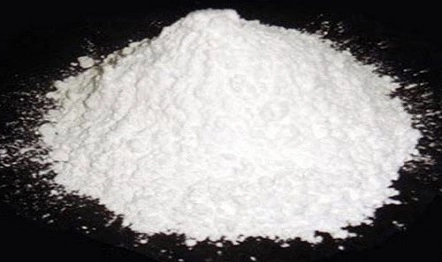
Magnesium Oxide
Found this useful?