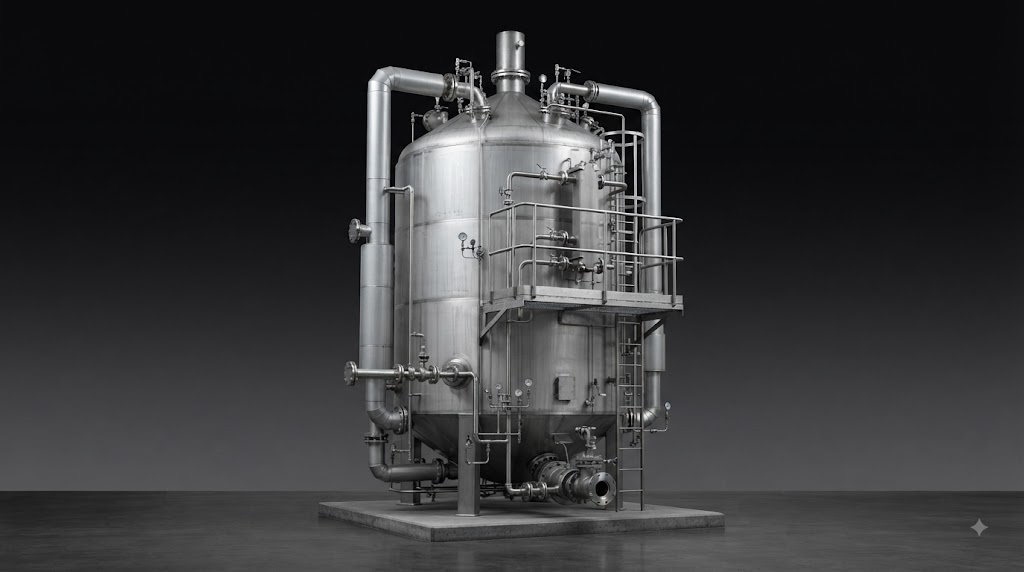
Albemarle's Kemerton Train 1 Placed Into Care and Maintenance
Albemarle has placed its Kemerton Train 1 lithium conversion facility in Western Australia into care and maintenance status following a $7.3 million restructuring charge. This operational pause reflects the persistent cost disadvantage that Western hard-rock conversion faces against integrated Chinese refining operations.
For procurement teams and chemical traders, this development confirms structural challenges in non-Chinese battery-grade supply chains. The idling of a major Western converter reduces near-term diversified supply options precisely when geopolitical risk premiums should theoretically support alternative origins.
Buyers who have invested significant resources qualifying Kemerton material must now recalibrate supply security assumptions. The transition from active production to care and maintenance introduces uncertainty about restart timelines, workforce retention and future quality consistency.
Understanding the $7.3 Million Restructuring Charge
The $7.3 million charge represents direct costs associated with safely shutting down and preserving the Kemerton Train 1 asset for potential future reactivation. These expenses cover workforce reductions, equipment preservation protocols and contractual obligations that cannot be immediately terminated.
Restructuring charges of this magnitude are relatively modest for a facility of Kemerton’s scale, suggesting Albemarle intends to maintain optionality rather than permanently abandon the asset. Permanent impairment would typically involve substantially larger write-downs reflecting irrecoverable capital investment.
Care and maintenance status differs fundamentally from permanent closure in both accounting treatment and operational intent. Assets in this state remain on balance sheets at reduced carrying values while receiving minimal sustaining expenditure to prevent deterioration.
The charge recognition timing indicates management concluded that near-term market conditions do not justify continued cash burn at current operating losses. This decision prioritizes balance sheet preservation over strategic diversification goals until economics improve materially.
Procurement teams should interpret this as temporary suspension rather than permanent capacity removal. However, restart decisions depend on sustained margin recovery that may not materialize within typical contract planning horizons.
Why Western Hard-Rock Conversion Faces Structural Cost Disadvantages
Chinese lithium refiners benefit from decades of accumulated process expertise, optimized plant designs and integrated supply chains that Western operators cannot replicate quickly. Learning curve advantages translate directly into lower unit costs and higher yields that persist despite technology transfer efforts.
Energy costs in Western Australia exceed those available to Chinese converters who access subsidized industrial power and coal-based generation. Energy intensity of spodumene conversion makes this differential particularly impactful on cash cost competitiveness.
Labor expenses in Australia run significantly higher than Chinese equivalents even after adjusting for productivity differences. Automated systems reduce but do not eliminate this gap given regulatory requirements, union agreements and regional talent scarcity.
Scale economies favor Chinese facilities that typically operate multiple trains at single sites with shared infrastructure and centralized services. Western greenfield projects like Kemerton lack this clustering advantage during early operational phases when fixed cost absorption remains challenging.
Regulatory compliance costs also differ substantially between jurisdictions. Environmental permitting, indigenous engagement and safety standards in Australia impose overhead that Chinese domestic operations face at lower levels or different structures.
Implications for Non-Chinese Lithium Supply Security
Kemerton’s idling reduces available Western conversion capacity at a time when OEMs and battery makers actively seek geographic diversification. This contraction undermines supply chain resilience narratives that have driven significant policy support and customer qualification investments.
Qualification efforts completed with Kemerton may retain value if the facility restarts but require ongoing relationship maintenance during dormancy. Technical teams familiar with the asset may disperse during care and maintenance periods, creating knowledge gaps that extend future ramp-up timelines.
Alternative Western converters face increased pressure to demonstrate commercial viability without similar operational pauses. Investors and customers will scrutinize remaining projects more critically, potentially constraining capital availability for new capacity development.
Policy incentives including the US Inflation Reduction Act and European Critical Raw Materials Act aim to bridge these cost gaps through subsidies and price supports. Kemerton’s experience suggests current incentive levels remain insufficient to overcome fundamental structural disadvantages absent sustained market pricing above Chinese parity.
Buyers committed to non-Chinese supply must accept higher costs or longer qualification timelines as inherent trade-offs. Expecting Western converters to match Chinese economics while providing diversification benefits creates unrealistic expectations that market realities continue to correct.
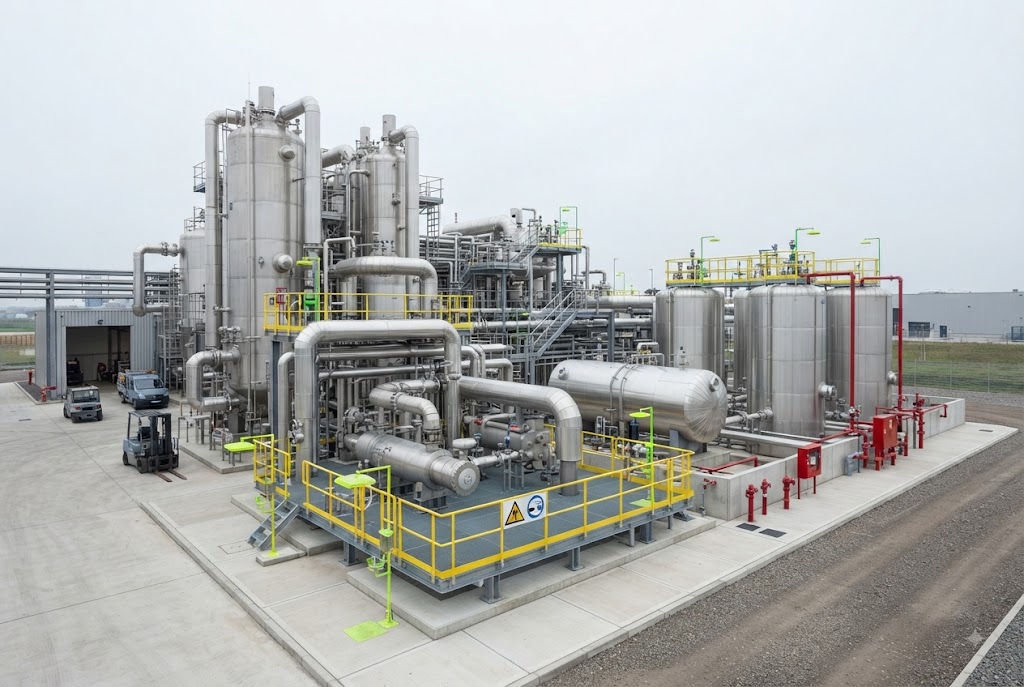
Restart Economics and Timeline Considerations
Returning a care and maintenance facility to commercial production requires significant recommissioning expenditure beyond the initial shutdown costs. Equipment preservation slows but does not stop degradation, necessitating testing, replacement and recalibration before safe restart.
Workforce reconstitution presents additional challenges as skilled operators and engineers find alternative employment during dormancy. Recruitment and training cycles add months to restart timelines even when physical assets remain intact and permitted.
Market conditions at restart must support sustained positive margins rather than merely covering variable costs. Operators will not commit recommissioning capital without confidence that pricing stability extends beyond temporary spot spikes to justify multi-year payback periods.
Customer requalification may be required if extended dormancy raises quality consistency concerns among battery manufacturers. This process adds lead time and uncertainty to commercial restart even when technical readiness is achieved.
Buyers should model restart scenarios conservatively when incorporating potential Kemerton volumes into forward supply plans. Optimistic assumptions about rapid reactivation risk creating coverage gaps that spot markets cannot fill during tight periods.
Strategic Sourcing Responses to Western Conversion Constraints
Kemerton’s transition reinforces the need for pragmatic rather than aspirational approaches to lithium supply diversification. Procurement strategies must acknowledge current economic realities while positioning for eventual structural improvements.
Maintain relationships with Albemarle during care and maintenance to preserve qualification status and receive early visibility on restart decision triggers and timelines.
Accelerate qualification of alternative Western converters while recognizing their similar cost exposures and potential vulnerability to identical market pressures.
Evaluate blended sourcing models combining Chinese base volumes with smaller Western allocations to balance cost efficiency against diversification objectives realistically.
Engage policy makers and industry associations about enhancing incentive structures to address demonstrated gaps between current support levels and actual cost differentials.
Structure contracts with Western suppliers incorporating flexible volume mechanisms that accommodate operational variability without imposing unsustainable take-or-pay obligations during market stress.
Strategic patience combined with active engagement positions buyers to capitalize on eventual Western conversion improvement. Premature abandonment of diversification goals sacrifices long-term optionality while unrealistic expectations invite repeated disappointment.
Navigating Geopolitical Risk Versus Economic Reality
The tension between supply chain security imperatives and commercial viability defines the current Western lithium landscape. Kemerton’s idling demonstrates that market forces currently outweigh policy aspirations absent stronger intervention or sustained pricing recovery.
Geopolitical risk premiums embedded in buyer willingness-to-pay have proven insufficient to close structural cost gaps. Customers value diversification but not at unlimited cost, creating ceiling prices below Western breakeven thresholds during normalized market conditions.
Long-term strategic partnerships may offer pathways to sustain Western capacity through difficult cycles via shared risk arrangements. Offtake agreements with minimum volume commitments, price floors or equity participation can bridge gaps that spot market economics cannot support.
Technology innovation represents another potential equalizer over extended timeframes. Process improvements, automation advances and novel extraction methods may gradually reduce Western cost penalties though breakthrough timelines remain uncertain and capital intensive.
Buyers must continuously reassess the balance between diversification benefits and cost impacts as market conditions evolve. Static sourcing strategies fail in dynamic environments where structural advantages shift and policy landscapes transform.
Positioning for Future Western Conversion Viability
Kemerton’s care and maintenance status reflects current market reality rather than permanent structural failure. Cyclical industries regularly experience capacity rationalization during downturns followed by reactivation when fundamentals improve.
Policy evolution may eventually provide sufficient support to sustain Western conversion through future cycles. Lessons from Kemerton and similar projects inform legislative refinement that could better align incentive structures with actual cost differentials.
Consolidation within the Western conversion sector may create entities with sufficient scale and integration to compete more effectively. Mergers, joint ventures and strategic partnerships could unlock synergies unavailable to standalone operators facing structural disadvantages alone.
Demand growth continues expanding total addressable market for all lithium supply sources regardless of origin. Rising consumption eventually absorbs available capacity, supporting price recovery that enables marginal producers to return profitably.
Procurement organizations maintaining engagement through difficult cycles position themselves preferentially when conditions improve. Suppliers remember partners who demonstrated commitment during stress periods and reward them with allocation priority during subsequent tight markets.
Ready to source lithium carbonate from verified global suppliers? Explore competitive offers on our platform today.

Nickel Sulphate Hexahydrate
Found this useful?