Algeria is steadily advancing its Annaba phosphate port expansion project. Additional workers and heavy equipment continue to arrive at the site to accelerate construction efforts. The initiative remains on track for a first quarter 2027 completion date. This infrastructure upgrade aims to significantly boost the country’s export capacity for phosphate fertilizers. Global buyers are watching this development closely as current markets face severe supply tightness. The expansion promises to add millions of tons of new supply to international trade flows. However, the slow pace of progress means relief is still years away. Procurement managers must balance long-term optimism with immediate sourcing realities. Understanding this timeline is critical for strategic planning in the fertilizer sector.
The Strategic Importance of Annaba Port
The Annaba facility serves as a primary gateway for Algerian mineral exports. Current infrastructure limits the volume of phosphate that can be loaded onto vessels efficiently. Bottlenecks at the port restrict overall production output despite ample rock reserves.
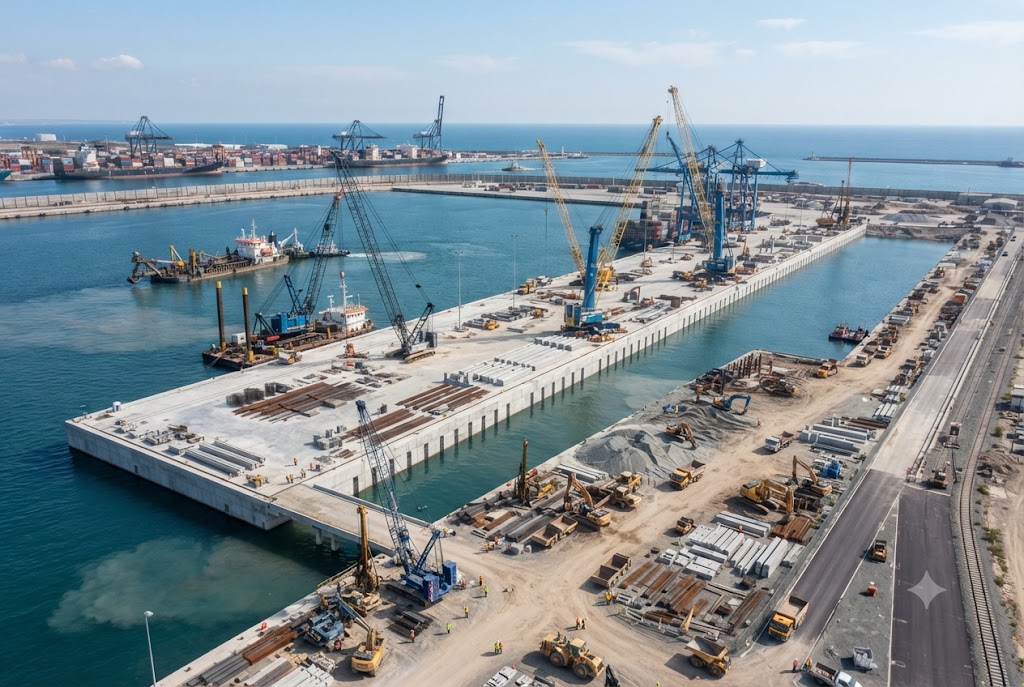
The expansion project addresses these logistical constraints directly. New berths and upgraded loading systems will allow larger vessels to dock. This capability reduces turnaround times and increases annual throughput significantly.
Algeria holds substantial phosphate reserves comparable to major global producers. Unlocking this potential requires robust export infrastructure. The Annaba upgrade is a key component of the national strategy to become a top-tier fertilizer exporter. Success here diversifies global supply sources beyond traditional dominant players.
Progress Updates and Construction Milestones
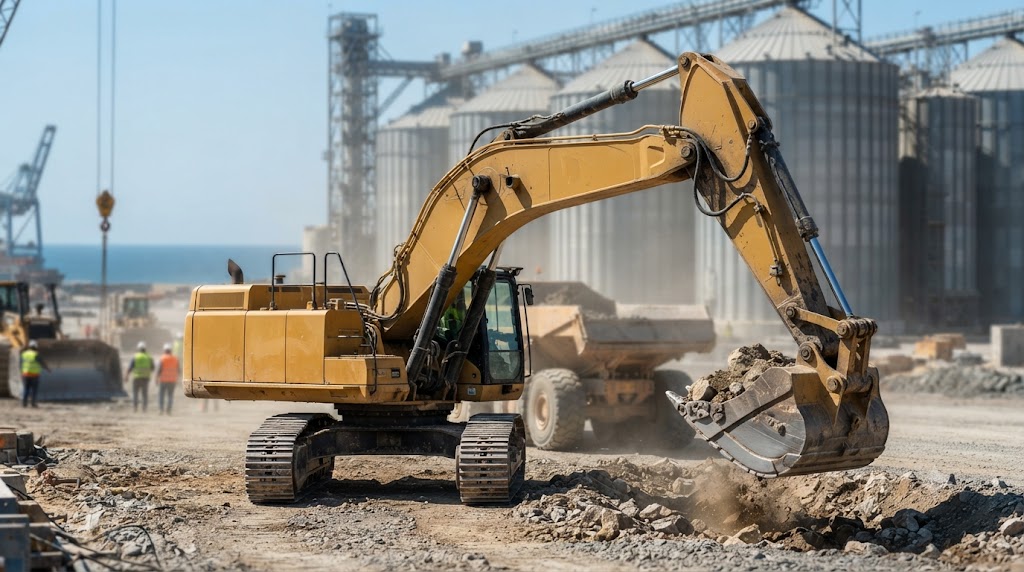
Recent months have seen increased activity at the Annaba site. Deployment of additional workers indicates a push to meet the Q1 2027 target. Heavy machinery installation is underway to support new loading operations.
Project managers report steady progress despite global supply chain challenges for construction materials. The commitment to the timeline suggests strong governmental support. This political backing ensures consistent funding and resource allocation.
Workforce expansion: More skilled laborers are onsite to accelerate civil works.
Equipment deployment: Cranes and conveyor systems are being installed for new berths.
Infrastructure upgrades: Road and rail connections to the port are being improved.
Timeline adherence: Project leaders remain confident in the early 2027 completion date.
These milestones demonstrate tangible progress toward increased export capacity. Buyers should monitor quarterly updates for any shifts in the schedule.
Impact on Global Phosphate Supply Dynamics
The global phosphate market currently suffers from concentration risk. Five countries dominate trade flows, creating vulnerability for importers. Algeria’s expansion offers a crucial alternative source of supply.
Once operational, the enhanced Annaba port will allow Algeria to compete more aggressively. Increased volumes will help alleviate tightness in European and Asian markets. This additional supply puts downward pressure on long-term price trends.
However, the Q1 2027 completion date means no immediate relief is available. Current buyers must navigate existing supply constraints without relying on this future capacity. The project represents a long-term structural shift rather than a short-term fix. Procurement strategies must account for this multi-year horizon.
Navigating the Interim Supply Gap
Buyers cannot wait until 2027 to secure their phosphate needs. The interim period requires careful management of existing supply relationships. Diversification across current major producers remains essential.
Sourcing from Morocco, Saudi Arabia and other established exporters provides immediate stability. Building strong partnerships with these suppliers ensures priority access during tight markets. Long-term contracts help lock in volumes before new Algerian supply comes online.
Procurement teams should also explore alternative nutrient formulations. Blended fertilizers or specialized products may offer temporary substitutes for standard DAP. These options help manage costs while waiting for broader market expansion.
Strategic Opportunities for Future Sourcing
Algeria’s expansion creates future opportunities for cost-effective sourcing. Buyers should begin engaging with Algerian producers now. Establishing relationships early positions organizations for favorable terms once capacity increases.
Monitoring project progress allows for timely integration of new suppliers. Adjusting procurement portfolios to include Algerian sources diversifies geographic risk. This proactive approach builds resilience into long-term supply chains.
Consider participating in industry forums focused on North African fertilizer developments. Networking with key stakeholders provides valuable intelligence on upcoming availability. Early engagement facilitates smoother transitions when new volumes hit the market.
Implications for Regional Trade Flows
European buyers stand to benefit most from increased Algerian exports. Geographic proximity reduces freight costs and transit times significantly. This advantage makes Algerian phosphate highly competitive in the Mediterranean basin.
Asian and Latin American importers will also gain access to new supply. While freight costs are higher, the added competition helps moderate global prices. The expansion contributes to a more balanced and resilient global trade network.
Reduced dependence on single-source origins enhances food security worldwide. Algeria’s emergence as a major exporter supports stable agricultural production globally. This structural change benefits farmers and consumers alike in the long run.
What Buyers Should Do Now
The slow march of Algeria’s phosphate expansion toward 2027 requires patience and planning. Procurement professionals must maintain focus on current market realities. Secure necessary volumes through reliable existing channels immediately.
Engage with Algerian stakeholders to build future supply relationships. Monitor construction milestones to anticipate market entry timing. Diversify your current supplier base to mitigate interim risks. Building resilience into your sourcing strategy ensures operational continuity until new capacity arrives.
Ready to source Diammonium Phosphate from verified global suppliers? Explore competitive offers on our platform today.