Amgen Develops Bispecific Antibodies to Enhance Targeted Cancer Treatment
Amgen Develops Bispecific Antibodies to Enhance Targeted Cancer Treatment
Introduction
Advances in antibody engineering are transforming cancer treatment, and Amgen is at the forefront of this innovation through the development of bispecific antibodies. Unlike conventional monoclonal antibodies that bind to a single target, bispecific antibodies are engineered to recognize two different targets simultaneously. This dual-targeting approach enables the immune system to identify and destroy cancer cells more effectively while reducing damage to healthy tissues.
For pharmaceutical manufacturers, biotechnology companies, specialty chemical suppliers, and procurement professionals, the growing adoption of bispecific antibodies represents an important shift toward precision oncology, creating new opportunities across drug manufacturing, biologics supply chains, and advanced pharmaceutical technologies.
What Are Bispecific Antibodies?
Bispecific antibodies are engineered proteins designed to bind two different antigens at the same time.

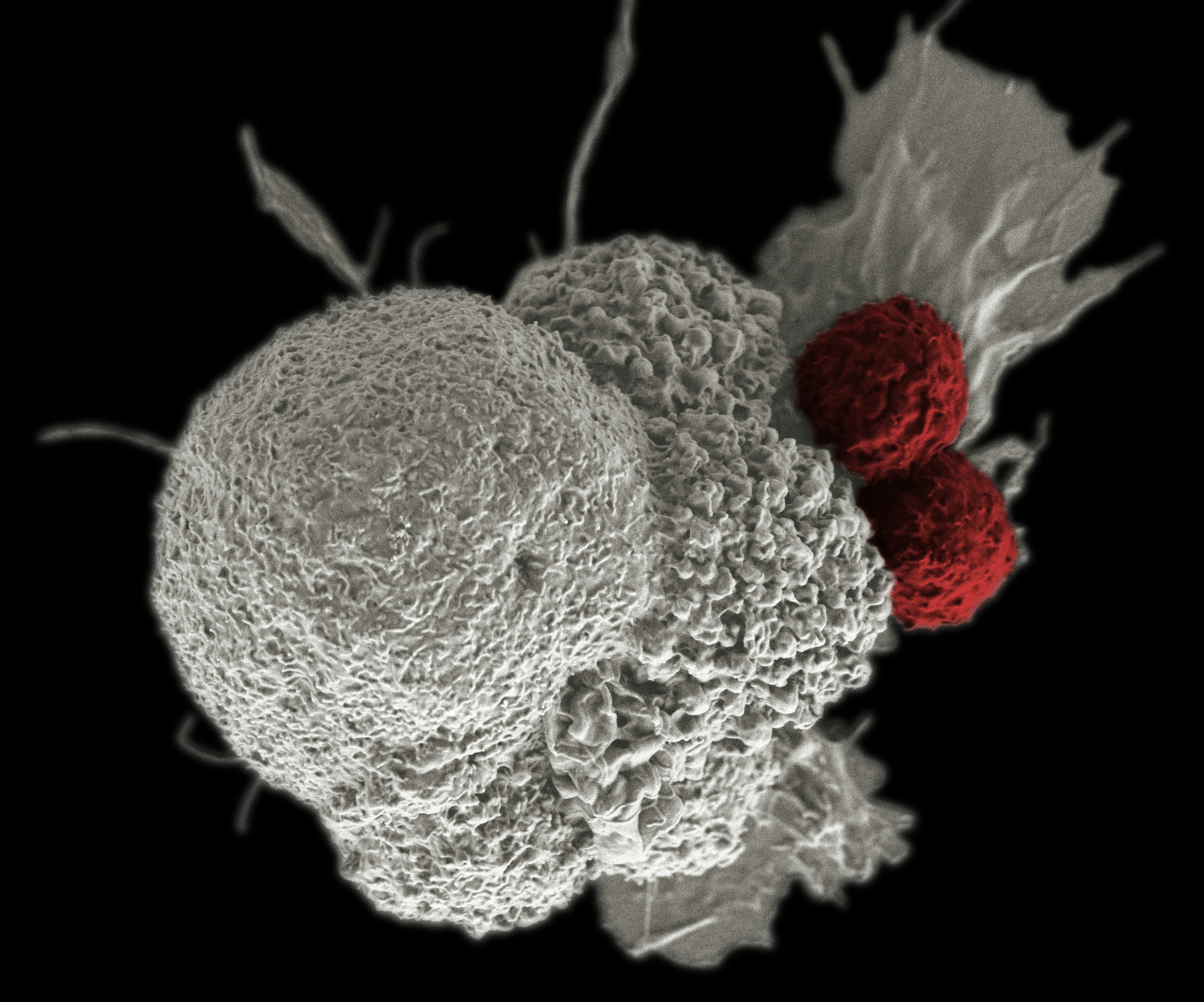
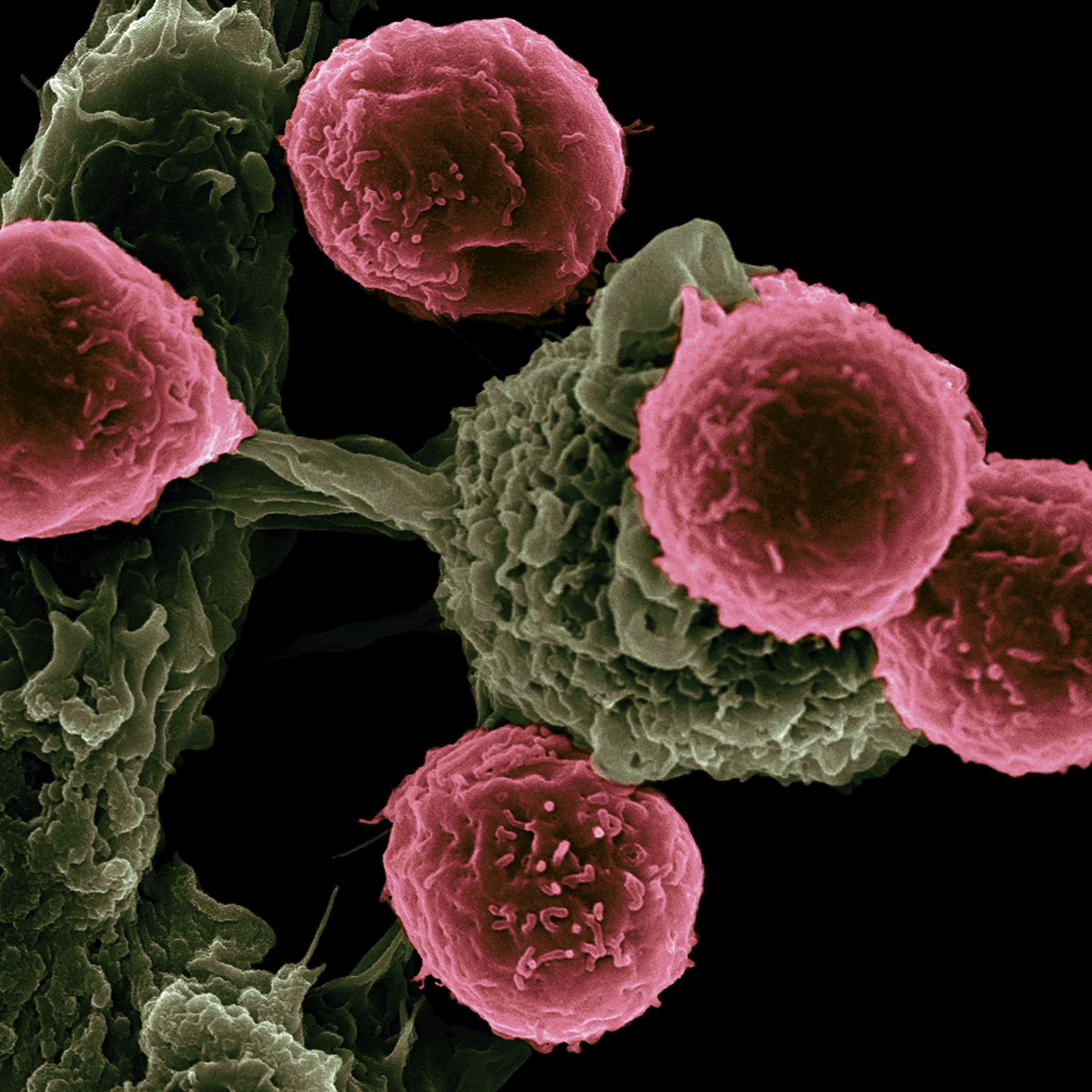
One binding site typically recognizes a protein found on cancer cells, while the second engages immune cells—most commonly T cells. By physically bringing immune cells into close contact with cancer cells, these therapies stimulate a more targeted immune response that enhances the body's ability to eliminate tumors.
This mechanism offers a more precise treatment strategy compared to many conventional cancer therapies.
How Bispecific Antibodies Work
The therapeutic process generally follows these steps:
The antibody binds to a specific marker on the cancer cell.
The second binding site attaches to an immune cell, such as a T cell.
The immune cell is brought directly to the tumor.
The activated immune cell destroys the cancer cell.
The immune response continues to target additional cancer cells.
This dual-binding mechanism improves the efficiency of immune-mediated cancer cell destruction while minimizing unnecessary effects on surrounding healthy tissue.
Benefits of Bispecific Antibody Therapy
Bispecific antibodies provide several advantages over traditional treatment approaches.
Improved Target Specificity
Dual-target recognition allows therapies to focus more precisely on cancer cells, reducing off-target activity.
Enhanced Immune Activation
By connecting immune cells directly to tumors, bispecific antibodies strengthen the body's natural immune response against cancer.
Potential for Better Clinical Outcomes
Clinical studies across multiple cancer types have demonstrated encouraging response rates, particularly in hematologic malignancies, with ongoing research evaluating their role in solid tumors.
Reduced Need for Combination Therapies
Some bispecific antibodies may achieve therapeutic benefits without requiring multiple separate biologic treatments, simplifying treatment strategies for certain patients.
Impact on Pharmaceutical Manufacturing
The rise of bispecific antibodies is driving significant changes in biologics manufacturing.
Manufacturers require:
Advanced antibody engineering platforms.
High-capacity cell culture systems.
Sophisticated purification technologies.
Strict quality assurance processes.
Highly specialized analytical testing.
Scalable biologics production facilities.
Because bispecific antibodies are structurally more complex than conventional monoclonal antibodies, production demands greater manufacturing precision and process control.
Supply Chain and Procurement Considerations
As bispecific therapies continue to expand, procurement teams will play an increasingly strategic role in supporting pharmaceutical production.
Growing demand is expected for:
Cell culture media.
Bioprocessing reagents.
Chromatography resins.
Single-use manufacturing systems.
Sterile filtration products.
Cold-chain logistics solutions.
High-performance analytical instruments.
Building resilient supplier networks will be essential to maintain production continuity and meet increasing global demand.
Challenges Facing Bispecific Antibody Development
Despite their promise, several challenges remain.
These include:
Complex manufacturing processes.
High development and production costs.
Regulatory requirements for advanced biologics.
Managing immune-related side effects.
Scaling commercial manufacturing capacity.
Ensuring patient access through cost-effective production.
Ongoing advances in bioprocess engineering and manufacturing automation are expected to address many of these challenges over time.
Future Outlook
Bispecific antibodies are becoming one of the fastest-growing segments in oncology drug development. Researchers are exploring their application across a wide range of cancers, including leukemia, lymphoma, multiple myeloma, lung cancer, breast cancer, and colorectal cancer.
Future innovations may include multispecific antibodies, combination immunotherapies, and AI-assisted antibody design, further expanding the potential of targeted cancer treatment.
For suppliers across the life sciences ecosystem, continued investment in biologics manufacturing technologies will create new opportunities throughout the pharmaceutical value chain.
Conclusion
Amgen's development of bispecific antibodies highlights the rapid evolution of targeted cancer therapies. By simultaneously engaging cancer cells and the immune system, these innovative biologics offer a powerful new approach to precision oncology.
For pharmaceutical manufacturers, procurement professionals, and specialty chemical suppliers, the growing adoption of bispecific antibody therapies underscores the need for advanced manufacturing capabilities, reliable supply chains, and strategic investment in biologics production. As innovation continues, bispecific antibodies are expected to play an increasingly important role in the future of cancer treatment.

Ammonium Sulphate - China
Found this useful?