Amino Acid Pharmaceutical Supply: The Fermentation Chemistry Foundation
Introduction
Amino acids are fundamental building blocks in the pharmaceutical industry. Beyond their role in protein synthesis, they are widely used in intravenous (IV) nutrition, biologic drug manufacturing, peptide therapeutics, vaccines, cell culture media, and pharmaceutical formulations. The majority of commercially produced pharmaceutical-grade amino acids are manufactured through microbial fermentation—a highly efficient, scalable, and sustainable production process.
As global demand for biologics, GLP-1 therapies, and advanced therapeutics continues to rise, fermentation technology has become the foundation of amino acid supply chains. For pharmaceutical procurement teams, understanding fermentation-based manufacturing is essential for evaluating suppliers, managing risks, and ensuring a reliable supply of high-purity raw materials.
Why Amino Acids Matter in Pharmaceutical Manufacturing
Pharmaceutical-grade amino acids serve numerous applications across modern medicine.
Common uses include:
Intravenous (IV) nutrition formulations
Cell culture media for biologics
Vaccine manufacturing
Peptide drug production
Buffer formulations
Diagnostic reagents
Nutritional pharmaceutical products
Because these applications require extremely high purity and consistency, manufacturers rely on tightly controlled production processes and rigorous quality standards.
Fermentation: The Foundation of Amino Acid Production
Unlike traditional chemical synthesis, microbial fermentation uses carefully selected microorganisms to convert renewable raw materials—such as glucose or other carbohydrate feedstocks—into specific amino acids.
The process generally involves:
Microbial Strain Development
Specialized bacterial or microbial strains are selected and optimized to maximize amino acid production while maintaining product quality.
Fermentation Process
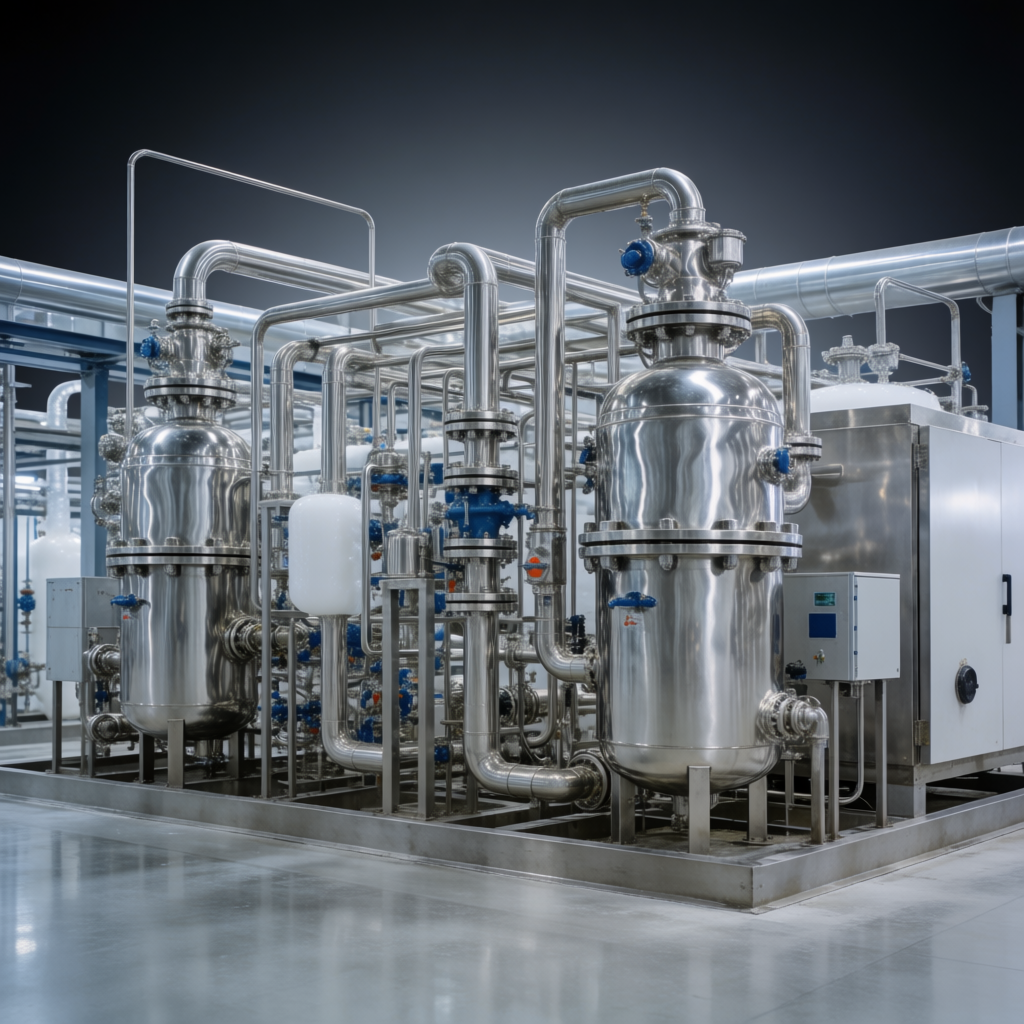
Microorganisms grow inside large, controlled bioreactors where temperature, pH, oxygen, and nutrient levels are continuously monitored to achieve optimal yields.
Downstream Processing
After fermentation, the target amino acid is separated, purified, crystallized, and dried to meet pharmaceutical-grade specifications.
Quality Assurance
Every production batch undergoes comprehensive testing to verify purity, identity, microbial safety, and regulatory compliance before commercial distribution.
Advantages of Fermentation-Based Manufacturing
Fermentation has become the preferred manufacturing method because it offers several advantages over conventional chemical synthesis.
Key benefits include:
These advantages make fermentation particularly suitable for pharmaceutical applications where quality and reproducibility are essential.
Procurement Considerations for Amino Acid Supply
As demand continues to grow, procurement teams should evaluate suppliers using both commercial and technical criteria.
Important factors include:
Manufacturing Capacity
Assess whether suppliers have sufficient fermentation capacity to support long-term production requirements.
Regulatory Compliance
Verify compliance with Good Manufacturing Practices (GMP), pharmacopoeial standards, and relevant international regulatory requirements.
Supply Chain Resilience
Evaluate supplier diversification, raw material sourcing, and contingency plans to reduce the risk of production disruptions.
Quality Management Systems
Review documentation covering quality assurance, batch traceability, analytical testing, and change control procedures.
Emerging Trends in Amino Acid Manufacturing
The amino acid industry continues to evolve through technological innovation and sustainability initiatives.
Key trends include:
Advanced strain engineering
AI-assisted fermentation optimization
Continuous bioprocessing technologies
Digital manufacturing analytics
Renewable feedstock utilization
Lower-carbon production processes
These innovations are improving manufacturing efficiency while supporting global sustainability goals.
Supply Chain Challenges
Despite technological advances, procurement professionals should monitor several potential risks.
These include:
Feedstock price volatility
Fermentation capacity limitations
Energy cost fluctuations
Supply chain disruptions
Regulatory inspections
Growing global demand for biologics and peptide therapies
Proactive supplier management can help organizations minimize these risks and maintain business continuity.
Building a Resilient Procurement Strategy
To strengthen amino acid supply security, pharmaceutical companies should:
Qualify multiple approved suppliers.
Monitor fermentation capacity expansion projects.
Establish long-term sourcing agreements for critical materials.
Track raw material market trends.
Integrate supplier risk assessments into procurement planning.
Invest in digital procurement and supply chain visibility tools.
These measures help reduce procurement risk while ensuring uninterrupted access to pharmaceutical-grade amino acids.
Looking Ahead
As biologics, personalized medicine, and peptide-based therapies continue to expand, global demand for pharmaceutical-grade amino acids will grow alongside them. Fermentation technology will remain the backbone of this supply chain, enabling efficient, high-quality, and sustainable production.
Organizations that understand the science behind fermentation and incorporate supplier resilience into procurement strategies will be better positioned to manage future market changes and secure long-term access to critical pharmaceutical ingredients.
Conclusion
Microbial fermentation has transformed the production of pharmaceutical amino acids, providing a reliable and sustainable method for manufacturing high-purity ingredients used across the healthcare industry. As pharmaceutical innovation accelerates, procurement teams must look beyond pricing to evaluate supplier capabilities, production technologies, regulatory compliance, and supply chain resilience.
By building diversified sourcing strategies and partnering with experienced fermentation manufacturers, organizations can strengthen supply continuity while supporting the next generation of pharmaceutical development.