An Offshore CO₂ Hub Built in Under 18 Months
An Offshore CO₂ Hub Built in Under 18 Months
Eni Installs a New Offshore Hub for Carbon Capture and Storage
Eni CCUS Holding has completed installation of the Douglas CCS platform in Liverpool Bay, marking an important milestone for the United Kingdom’s carbon capture and storage (CCS) infrastructure. Announced on October 8, 2026, the installation establishes a dedicated offshore hub designed to support industrial decarbonization across North West England and North Wales.
According to Eni, the platform was delivered in less than 18 months from contract award through an accelerated programme integrating engineering, procurement, construction and commissioning. The achievement highlights how coordinated project delivery and the reuse of existing offshore infrastructure can help advance complex energy projects.
Douglas CCS forms part of the Liverpool Bay carbon dioxide transportation and storage system, which is a central component of the HyNet industrial decarbonization cluster. The wider network is designed to collect captured CO₂ from industrial facilities, transport it offshore and inject it into depleted natural gas reservoirs beneath the seabed.
Inside the Douglas CCS Offshore Platform
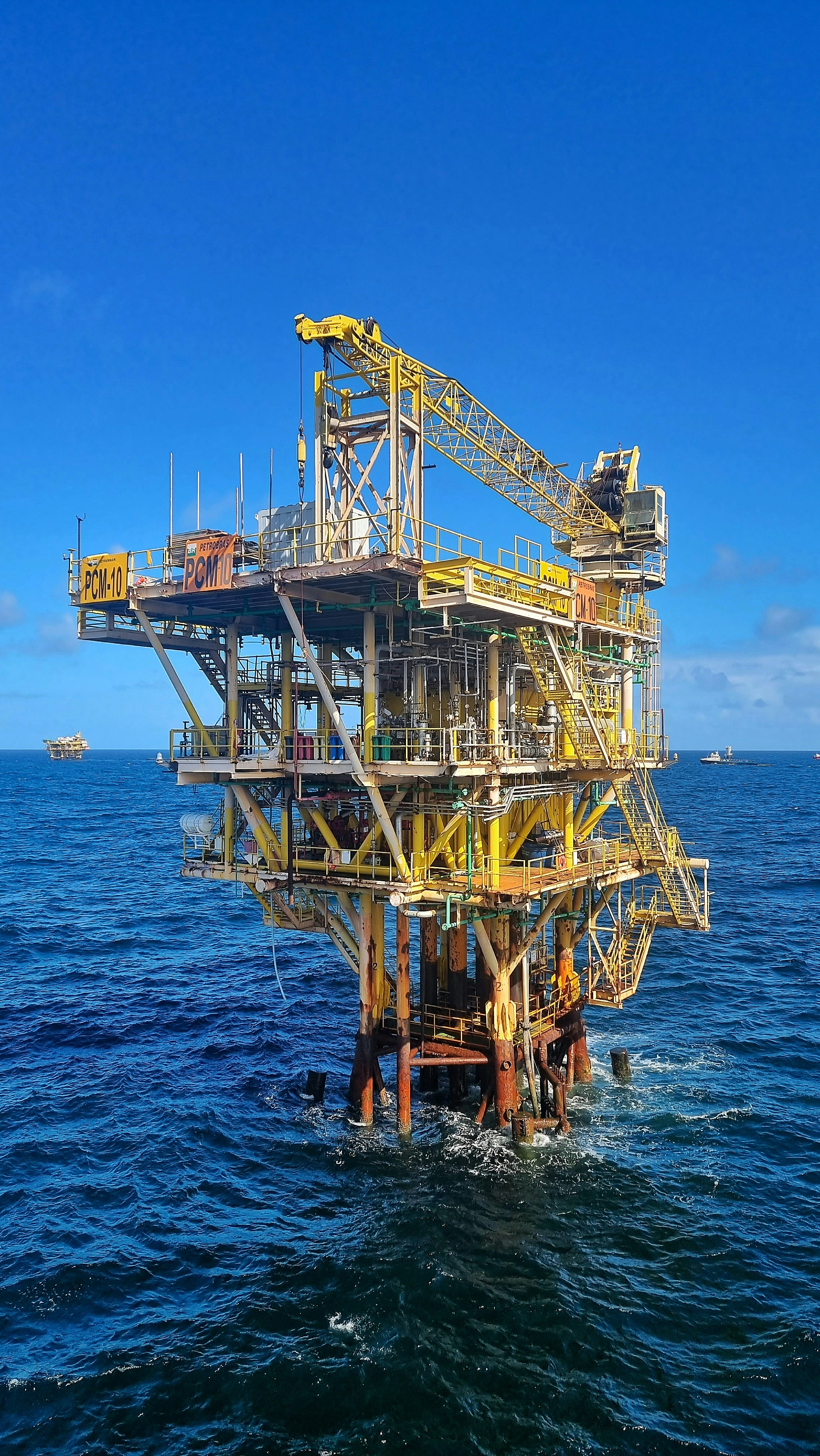
The Douglas CCS platform is purpose-built to serve as an offshore hub for transporting carbon dioxide to geological storage sites.
The installed structure consists of three main elements:
Topside facilities: Weighing approximately 1,885 tonnes, these house the equipment and systems required for the platform’s operations.
Supporting jacket: The steel support structure weighs approximately 1,755 tonnes and holds the topside above the sea.
Foundation piles: Eight piles weighing a combined 730 tonnes secure the platform to the seabed.
Together, these components create an offshore facility designed to connect the carbon dioxide transport network with storage infrastructure below the seabed.
Eni describes Douglas CCS as the world’s first purpose-built offshore platform dedicated to carbon capture and storage for industrial decarbonization. Its role is different from that of a conventional oil and gas production platform: it is intended to support the movement of captured industrial emissions toward permanent storage.
How the Liverpool Bay CO₂ Network Will Work
The Liverpool Bay CCS project connects industrial carbon capture facilities with offshore geological storage. Rather than requiring every industrial emitter to develop its own offshore storage infrastructure, the network provides shared transportation and storage services.
The process is expected to work in several stages.
1. Capture CO₂ from industrial facilities
Industrial facilities across North West England and North Wales will capture carbon dioxide from their operations. The project is intended to serve sectors where reducing emissions can be particularly challenging, including cement production, low-carbon hydrogen manufacturing and energy-from-waste operations.
2. Transport the captured carbon dioxide
The captured CO₂ will move through onshore transportation infrastructure to the Point of Ayr terminal. From there, offshore pipelines will carry it toward the Douglas CCS hub.
3. Reuse existing offshore pipelines
Parts of the existing offshore pipeline network will be repurposed to transport carbon dioxide. Reusing suitable infrastructure can reduce the need to build an entirely new offshore pipeline system, although the assets must meet the project's engineering and safety requirements.
4. Send CO₂ to depleted gas reservoirs
The offshore network will distribute carbon dioxide to depleted natural gas reservoirs beneath Liverpool Bay. The CO₂ is intended to be injected into these geological formations for permanent storage.
The approach combines new facilities with existing offshore assets and established knowledge of the area's depleted reservoirs.

Why Completing the Platform in Under 18 Months Matters
Offshore energy projects typically involve multiple engineering disciplines, complex equipment, marine installation requirements and strict safety procedures. Delivering a large platform on an accelerated schedule therefore requires close coordination between design teams, suppliers, construction contractors and commissioning specialists.
Eni says the Douglas CCS platform was delivered in less than 18 months from contract award. The integrated delivery programme brought engineering, procurement, construction and commissioning together to support the accelerated timeline.
The project also demonstrates the potential value of standardized project execution and the strategic use of existing offshore infrastructure. However, the platform's installation is only one milestone: the wider transportation and storage network must also be completed, tested and prepared for commercial operation.
Liverpool Bay CCS: Capacity and Project Timeline
The Douglas platform is one part of a much larger carbon transportation and storage system.
The Liverpool Bay CCS project has an initial planned storage capacity of 4.5 million tonnes of CO₂ per year, with the potential to increase to 10 million tonnes annually after 2030. The wider network is designed to serve the HyNet industrial cluster and connect multiple emitters to offshore geological storage.
Eni has stated that the Liverpool Bay transportation and storage infrastructure is expected to become available in 2028. The company reported that construction across the wider network was approximately 50% complete at the time of the October 2026 platform announcement.
The difference between installing the offshore platform and completing the full network is important. The platform's installation does not mean that the entire CCS system is already operating commercially; pipelines, connections, storage facilities and associated infrastructure must progress together.
Economic Benefits for the UK Supply Chain
The project is also expected to contribute to employment and industrial activity.
Eni reported that around 60% of the overall project expenditure is being delivered through UK-based supply chains. Construction has supported more than 2,000 jobs, while the wider project is expected to support approximately 200 to 300 long-term roles over more than 25 years of operation.
The development can create opportunities for engineering companies, offshore construction contractors, equipment suppliers and businesses involved in pipeline modification and industrial services.
Beyond direct employment, shared CO₂ transportation and storage infrastructure may help industrial facilities evaluate carbon capture projects without each having to develop a separate offshore storage system.
The scale of these benefits will depend on project execution, the number of industrial facilities that connect to the network and the system's performance once it enters operation.
The Role of Offshore CCS in Industrial Decarbonization
Carbon capture and storage is being developed as one option for reducing emissions from industrial activities that are difficult to decarbonize through direct electrification or process changes alone.
In a CCS system, carbon dioxide is captured at an industrial site, transported to a suitable location and injected into a geological formation intended for long-term containment. The environmental benefit depends on the amount of CO₂ captured and permanently stored, the emissions associated with the entire process, and effective monitoring and management of the storage sites.
The Liverpool Bay project aims to provide shared infrastructure for several industrial emitters. This approach can help connect individual capture facilities to storage capacity that would be difficult or expensive to develop independently.
Nevertheless, CCS does not eliminate all emissions from industrial operations. Its overall contribution depends on capture rates, energy requirements, operating reliability, storage performance and the project's full life-cycle emissions.
What Comes Next for Douglas CCS?
The installation of Douglas CCS represents a major construction milestone for the Liverpool Bay carbon transportation and storage system. The next steps involve completing the wider network and preparing it for the planned start of commercial operations in 2028.
Once operational, the project is expected to provide an initial annual storage capacity of 4.5 million tonnes of CO₂, with expansion potential to 10 million tonnes per year after 2030.
For the UK’s HyNet cluster, the offshore hub is intended to connect industrial carbon capture with existing pipelines and depleted gas reservoirs. Its delivery in under 18 months demonstrates the pace at which a key offshore component can be constructed, while the wider project will determine how effectively the complete system supports industrial emissions reduction.
Sources
Eni — Official announcement, October 8, 2026: Liverpool Bay CCS completes installation of the Douglas CCS platform
Eni — HyNet North West project overview: CO₂ storage and capture in the United Kingdom
Liverpool Bay CCS — System Development Statement, March 2026: Official project development document
Oil & Gas Journal: Eni CCUS Holding completes CCS platform installation

Activated Carbon (Powder) - India
Found this useful?