Antares–Novartis Partnership Highlights Standard Biotech Licensing Structure | ChemicalsBlog.com
Trade & Logistics
schedule3 Min Read
Antares-Novartis Deal Structure Reflects Standard Biotech Milestone Payment Logistics
terminal
prodchem
Jul 29, 2026
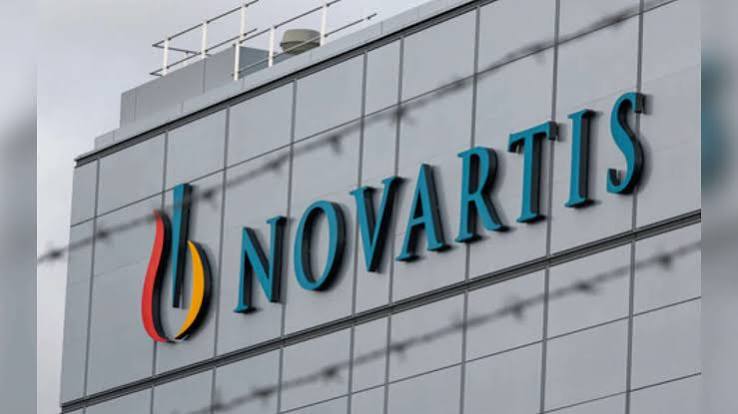
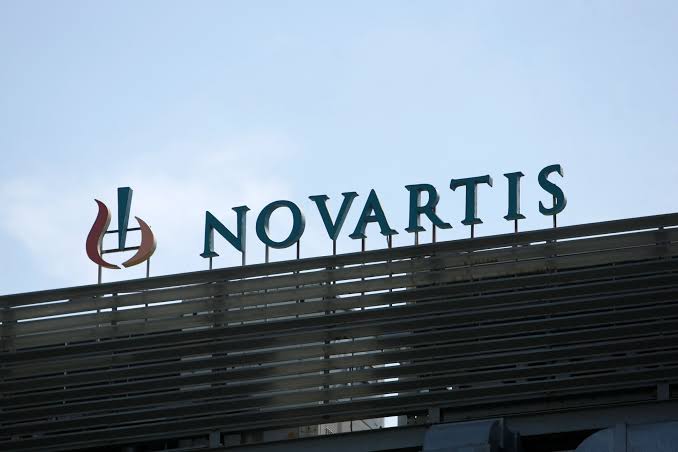
The partnership between Antares and Novartis follows a well-established biotech licensing model built around upfront payments, development milestones, regulatory milestones, and commercial milestone payments, alongside potential royalties on future product sales. This payment structure helps balance financial risk between both companies while providing incentives as a drug progresses from research through commercialization.
For pharmaceutical manufacturers, biotechnology firms, and procurement professionals, milestone-based agreements remain one of the most common mechanisms for funding innovation while managing uncertainty in drug development. As development goals are achieved, financial commitments increase, aligning investment with technical and regulatory progress.
Why Milestone-Based Deals Matter
Biotechnology licensing agreements are designed to distribute both risk and reward throughout the drug development lifecycle.
A typical agreement may include:
Upfront licensing payments
Research and development funding
Clinical development milestone payments
Regulatory approval milestone payments
Commercial sales milestone payments
Ongoing royalty payments on product sales
This phased approach enables smaller biotechnology companies to secure funding while allowing larger pharmaceutical companies to expand their pipelines without assuming all financial risk at the earliest stages.
As drug candidates move from research into commercial manufacturing, production increasingly depends on high-quality materials such as Isopropyl Alcohol (IPA), Ethanol, Acetic Acid, Methanol, Hydrogen Peroxide, and pharmaceutical-grade solvents. Reliable sourcing of these essential chemicals supports compliant manufacturing, quality assurance, and uninterrupted production throughout the product lifecycle.
Stronger collaboration between biotech and pharmaceutical companies
Shared development and commercialization risk
Faster expansion of pharmaceutical pipelines
Continued growth in licensing and partnership activity
Greater funding opportunities for emerging biotechnology firms
As pharmaceutical companies seek external innovation, licensing agreements remain a key strategy for accessing promising drug candidates while maintaining financial discipline.
Procurement Considerations
Procurement and supply chain professionals should:
Monitor strategic licensing partnerships that may expand manufacturing demand
Assess future sourcing needs as clinical programs advance
Build relationships with qualified pharmaceutical ingredient suppliers
Evaluate capacity requirements for commercial-scale production
Track regulatory milestones that may influence manufacturing timelines
Strengthen supply chain planning for late-stage development programs
Understanding partnership structures can help procurement teams anticipate future demand for pharmaceutical raw materials and manufacturing services.
Looking Ahead
Biotech licensing agreements are expected to remain central to pharmaceutical innovation as companies increasingly collaborate to accelerate drug development. Milestone-based payment structures provide flexibility, reduce financial exposure, and encourage long-term partnerships between innovators and global pharmaceutical companies.
For procurement professionals, monitoring licensing activity offers valuable insight into future manufacturing demand, capacity planning, and supply chain investment across the life sciences sector.
Key Takeaways
The Antares–Novartis partnership follows a standard milestone-based biotech licensing model.
Payments are typically linked to development, regulatory, and commercial achievements.
Milestone structures help balance risk and investment between licensing partners.
Licensing agreements continue to drive pharmaceutical innovation and pipeline expansion.
Procurement teams should monitor advancing development programs to anticipate future manufacturing requirements.