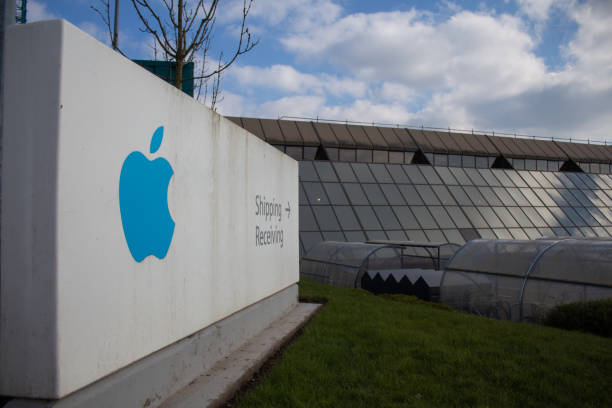
Apple’s Regulated Substances Specification (RSS) has become a benchmark for the electronics industry, setting rigorous limits on toxic chemicals in every component that enters a device. The specification is not only a compliance checklist; it is a catalyst for innovation in specialty chemicals, supply chain governance, and sustainable product design.
Impact on Specialty Chemical Development
Specialty chemical manufacturers now face a dual mandate: deliver high‑performance materials while staying within Apple’s restricted substance list. This has driven a wave of research into low‑toxic alternatives, such as bio‑based solvents, lead‑free solder alloys, and non‑halogenated flame retardants.
Innovation Pipeline: Companies invest in R&D to find substitutes that meet performance criteria and RSS limits.
Collaborative Platforms: Apple partners with suppliers to share data on material properties and regulatory trends.
Certification Programs: Third‑party labs certify chemicals against RSS, providing a clear path to market acceptance.
Supplier Compliance and Supply Chain Dynamics
Compliance with the RSS imposes a new layer of scrutiny across the entire supply chain. Suppliers must document the origin, composition, and seines of every batch, while Apple’s procurement team monitors adherence through digital traceability tools.
Supplier Audits: Apple conducts on‑site inspections to verify that restricted substances are absent.
Supplier Qualification: Only those who pass audits gain access to Apple’s production facilities.
Continuous Improvement: Suppliers use audit feedback to refine processes and reduce hazardous content.
This rigorous oversight elevates the overall safety profile of electronics and creates a competitive advantage for compliant specialty suppliers.
Product Stewardship and Design
Apple’s RSS encourages designers to adopt a cradle‑to‑cradle mindset. By limiting hazardous substances, components become easier to recycle and less harmful at end‑of‑life. Engineers now routinely integrate RSS considerations into early design phases.
Design for Disassembly: Components are engineered for easy removal and_figures.
Material Transparency: Detailed material statements are embedded in device documentation.
Lifecycle Analysis: Teams assess environmental impacts from extraction to disposal.
Sustainability Outcomes
The ripple effects of the RSS extend beyond compliance. By eliminating lead, mercury, and brominated flame retardants, Apple reduces toxic emissions and supports global chemical regulations.
Key sustainability metrics improved include:
Reduction in hazardous waste sent to landfills.
Lower greenhouse gas emissions from material synthesis.
Enhanced corporate responsibility scores in ESG assessments.