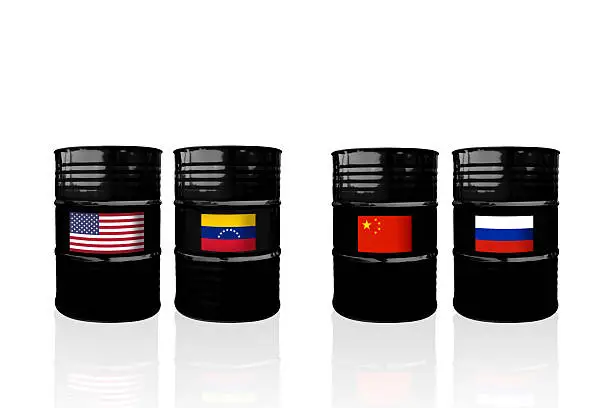
Aromatics and Petrochemical Feedstocks Named Explicitly in U.S. Sanctions Definitions
Aromatics and Petrochemical Feedstocks Named Explicitly in U.S. Sanctions Definitions
Introduction
As geopolitical tensions continue to reshape global trade, the United States has expanded the use of sanctions as a tool to regulate strategic industries and restrict revenue streams linked to targeted entities. In recent sanctions frameworks, aromatics and petrochemical feedstocks have been explicitly identified within regulatory definitions, signaling increased scrutiny of chemical products that play a critical role in global manufacturing.
For chemical manufacturers, traders, distributors, and procurement professionals, this development highlights the growing importance of sanctions compliance, supplier due diligence, and supply chain transparency. Businesses involved in cross-border trade should closely monitor evolving regulations to minimize compliance risks and maintain uninterrupted operations.
Understanding Aromatics and Petrochemical Feedstocks
Aromatics are essential petrochemical building blocks used across numerous industrial sectors. Common aromatic products include:
Benzene
Toluene
Xylene (Mixed, Ortho-, Meta-, and Para-xylene)
Ethylbenzene
Styrene monomer
These materials serve as feedstocks for producing plastics, synthetic fibers, coatings, solvents, resins, adhesives, detergents, pharmaceuticals, and numerous specialty chemicals.
Petrochemical feedstocks also include products such as:
Naphtha
Condensates
LPG (Liquefied Petroleum Gas)
Natural gas liquids (NGLs)
Reformates and related refinery intermediates
These raw materials are fundamental to downstream chemical manufacturing worldwide.
Why Their Inclusion in Sanctions Definitions Matters
Explicitly naming aromatics and petrochemical feedstocks within U.S. sanctions definitions demonstrates a broader effort to strengthen oversight of strategic industrial commodities.
Key implications include:
Expanded Regulatory Scope
Companies trading these materials may face additional compliance obligations, particularly when dealing with sanctioned countries, organizations, or individuals.
Increased Due Diligence
Importers, exporters, and distributors are expected to conduct enhanced screening of suppliers, customers, intermediaries, and shipping partners.
Greater Supply Chain Transparency
Businesses must maintain accurate documentation regarding product origin, ownership, transportation routes, and transaction records.
Enhanced Customs and Financial Reviews
Financial institutions, customs authorities, and logistics providers may apply additional scrutiny to transactions involving listed petrochemical products.
Impact on the Chemical Industry
The explicit inclusion of these feedstocks has implications across the chemical value chain.
Procurement Teams
Buyers should verify supplier compliance programs and regularly assess geopolitical risks affecting raw material sourcing.
Manufacturers
Chemical producers may need to diversify sourcing strategies if existing suppliers become subject to trade restrictions or sanctions.
Traders and Distributors
Commodity traders should strengthen Know Your Customer (KYC) procedures and monitor regulatory developments to avoid unintended violations.
Logistics Providers
Shipping companies and freight forwarders must ensure cargo documentation accurately reflects product classifications and complies with sanctions requirements.
Best Practices for Compliance
Organizations involved in international chemical trade can reduce regulatory risks by adopting proactive compliance measures.
Recommended actions include:
Screen suppliers and customers against current sanctions lists.
Verify the country of origin for all petrochemical feedstocks.
Maintain detailed trade documentation and audit records.
Monitor changes in U.S. sanctions regulations and export controls.
Conduct regular compliance training for procurement and logistics teams.
Diversify supplier networks to reduce dependence on high-risk regions.
A structured compliance program helps businesses minimize operational disruptions while maintaining regulatory confidence.
Procurement Considerations
Procurement professionals should look beyond price when evaluating suppliers of aromatics and petrochemical feedstocks.
Important evaluation criteria include:
Regulatory compliance history
Supply chain transparency
Geographic sourcing risks
Logistics reliability
Financial stability of suppliers
Ability to provide traceability documentation
These factors contribute to a more resilient procurement strategy in an increasingly regulated global market.
Looking Ahead
As governments continue to strengthen economic sanctions and trade controls, strategic petrochemical products are expected to remain under close regulatory oversight. Companies should anticipate continued updates to sanctions programs, expanded compliance requirements, and increased expectations for supply chain transparency.
Organizations that invest in digital compliance tools, supplier risk monitoring, and diversified sourcing strategies will be better positioned to navigate evolving international trade regulations.
Conclusion
The explicit inclusion of aromatics and petrochemical feedstocks in U.S. sanctions definitions reflects a broader shift toward tighter oversight of strategic chemical trade. While these measures are designed to support foreign policy and national security objectives, they also create new compliance responsibilities for businesses operating in global chemical markets.
By strengthening due diligence, improving supply chain visibility, and maintaining robust compliance programs, chemical companies can reduce regulatory risks, protect supply continuity, and remain competitive in an increasingly complex international trade environment.

Alkalized Dark Brown Cocoa Powder

Found this useful?