Arq 2025 Sustainability Report Highlights Activated Carbon Growth, Emissions and Water Progress
Arq’s 2025 Sustainability Report puts a sharper focus on how activated carbon production growth can affect environmental performance, resource use and supply planning. The company reported continued growth in its powdered activated carbon, or PAC, business while also addressing challenges linked to its granular activated carbon, or GAC, operations.
For chemical buyers, the report provides useful insight into the relationship between production expansion and sustainability metrics. Arq reported higher 2025 emissions, significant water-use reductions at its Corbin facility and a decision to use 2026 as a new baseline for normalized PAC production at its Red River facility.
PAC Growth Remains Central to Arq’s 2025 Performance
Powdered activated carbon remained the main growth engine for Arq during 2025. The company reported approximately $120 million in total revenue, with PAC delivering a second consecutive year of roughly 10% revenue growth.
Arq also reported more than 117 million pounds of PAC volume during the year. This performance matters to industrial buyers because PAC demand increasingly connects activated carbon suppliers with applications involving water purification, industrial treatment and emerging contaminants.
The company’s customer base also reached 116 active customers across 217 sites in 2025. For procurement teams, this combination of production scale and customer reach provides an indication of the operational importance of PAC within Arq’s overall product portfolio.
PAC production also gives Arq additional operational flexibility while it evaluates its GAC strategy. The company said its Red River facility can continue supporting PAC production while the GAC operation undergoes further engineering and process optimization.
GAC Commissioning Shows the Challenges of Capacity Expansion
Arq successfully commissioned its first GAC production line at the Red River facility during 2025 and completed initial commercial production and sales. The company initially targeted an annualized nameplate capacity of 25 million pounds.
However, Arq later paused GAC production and development while it conducts a comprehensive engineering and production process optimization review. The decision means GAC production will not contribute to fiscal-year 2026 output under the current plan.
For activated carbon buyers, the situation demonstrates why planned capacity and dependable commercial supply do not always move at the same pace. Procurement teams evaluating GAC sources need to consider commissioning progress, process reliability, available production capacity and the supplier’s ability to maintain consistent specifications.
The GAC pause also changes how Arq approaches its manufacturing footprint. Rather than treating capacity expansion as an isolated growth objective, the company is reviewing production processes and equipment requirements before determining the next stage of GAC development.
Higher Emissions Reflect the Impact of Production Changes
One of the most significant sustainability signals in the 2025 report was the increase in Arq’s carbon footprint, energy consumption and waste compared with the previous year. The company linked these changes to growth and expansion at its Red River operations.
Arq reported 2025 Scope 1 emissions of 15,703.93 metric tonnes of CO₂e and Scope 2 emissions of 3,590.23 metric tonnes of CO₂e. Increased natural gas use and changes in steam-powered electricity generation contributed to the year-over-year environmental impact.
This creates an important procurement consideration. Higher production does not automatically translate into lower environmental intensity, particularly when a facility is commissioning new equipment, expanding capacity or changing its energy profile.
For buyers with sustainability requirements, supplier assessments should therefore examine both absolute emissions and production-normalized performance. A growing supplier may record higher total emissions while improving efficiency per unit of output, but those measures need to be reviewed separately.
Water Reduction Creates a Different Sustainability Signal
While emissions increased, Arq reported meaningful progress in water management. Water usage at its Corbin facility fell by approximately 50%, allowing around 134 million gallons of clean water to return to Lynn Camp Creek.
The company also reported zero water quality permit non-compliance incidents across its operations during 2025. At the Red River facility, Arq achieved a small reduction in natural-source water use despite the facility’s expansion.
For chemical procurement teams, these results show why sustainability reviews should cover multiple environmental indicators rather than focusing exclusively on greenhouse gas emissions. Water withdrawal, discharge quality, resource efficiency and regulatory compliance can all influence supplier qualification.
Water performance can also become increasingly relevant for buyers serving customers with environmental reporting requirements. A supplier that can provide clearer information about water use and operational controls may help downstream companies strengthen their own sustainability reporting.
Why the New 2026 Baseline Matters for Buyers
Arq plans to treat 2026 as a new baseline year for normalized PAC production at Red River. The decision follows changes associated with GAC production, facility expansion and the resulting variation in energy and environmental performance.
A baseline gives procurement and sustainability teams a reference point for measuring future changes. Instead of comparing future performance against a year affected by major commissioning activities, Arq can use normalized 2026 PAC production data to track progress under a more defined operating structure.
The new baseline could become particularly useful when buyers assess longer-term supplier sustainability commitments. Future reporting can show whether energy consumption, emissions and resource use move differently as production volumes stabilize or increase.
For buyers, several areas deserve attention:
Production normalization: Environmental indicators should be considered alongside PAC production volumes to understand operational intensity.
Energy performance: Changes in natural gas and electricity consumption can affect both sustainability metrics and production economics.
Water management: Lower water use and strong compliance performance can support supplier environmental assessments.
Capacity planning: GAC optimization may affect the availability and timing of certain activated carbon products.
Supply Reliability Remains Important Alongside Sustainability
Sustainability performance does not replace the need for dependable chemical supply. For activated carbon buyers, product quality, delivery reliability, production capacity and technical suitability remain fundamental purchasing considerations.
Arq reported 98% on-time and in-full deliveries across 2,230 loads in 2025, with incidents occurring in only 0.04% of customer deliveries. The company also reported continued development of its carbon education programs and a zero lost-time incident record for the year.
These operational indicators provide additional context for procurement teams assessing a supplier. A sustainability report can help buyers understand how environmental goals connect with day-to-day manufacturing, logistics and workforce management.
Arq’s position as a vertically integrated activated carbon producer also has implications for sourcing strategy. The company says it provides domestic North American production for products that can be difficult to source, giving buyers another factor to consider when balancing geographic supply diversification and availability.
Activated Carbon Demand Is Expanding Into More Specialized Uses
Arq’s sustainability report also points toward continued development of advanced activated carbon products for emerging contaminants. The company specifically highlighted PFAS-related applications through its PAC for PFAS products.
Activated carbon plays an important role in adsorption-based treatment because its porous structure allows it to capture a range of contaminants from water, air and other process streams. Different grades and physical forms can serve different treatment requirements, making product specification a central procurement issue.
For buyers, the shift toward specialized applications can increase the importance of technical qualification. Purchasing teams may need to assess adsorption performance, particle characteristics, treatment conditions and compatibility with existing systems rather than selecting activated carbon solely on price.
This trend may also support demand for higher-value products where performance can justify a premium over standardized industrial grades. Arq has described its portfolio as including specialty products and engineered materials alongside more standardized offerings.
What the Report Means for Chemical Procurement Teams
The 2025 report gives procurement managers several practical areas to monitor as the activated carbon market develops. The key issue is not simply whether a supplier is expanding, but how effectively that supplier manages production growth, resource consumption and operational reliability.
Buyers evaluating activated carbon suppliers can focus on:
Product availability: Confirm current production capacity and expected lead times for the required PAC or GAC grade.
Technical specifications: Match carbon performance and physical characteristics with the intended treatment process.
Supply diversification: Maintain alternative sources where production changes could affect specific product categories.
Environmental data: Request relevant emissions, water and energy information when sustainability reporting forms part of the purchasing process.
Delivery performance: Review historical service levels alongside quoted pricing and product specifications.
Future capacity: Track major commissioning, optimization or expansion programs that could influence future supply.
The GAC pause is particularly relevant when buyers are planning future requirements. Arq’s optimization review means procurement teams should distinguish between existing PAC supply capabilities and future GAC capacity when building sourcing plans.
Looking Ahead With a New Sustainability Baseline
Arq’s 2025 Sustainability Report presents a year of strong PAC growth alongside operational changes that affected environmental performance. The company’s lower water use and continued supply performance sit alongside higher emissions and the decision to establish 2026 as a new baseline for normalized PAC production.
For chemical buyers, the report highlights a broader lesson about evaluating suppliers during periods of industrial expansion. Production growth, sustainability performance, capacity development and supply reliability need to be considered together rather than as separate purchasing factors.
The next reporting cycle should provide a clearer reference for assessing how Arq’s normalized PAC operations perform against the new baseline. For procurement teams, tracking those changes can help support longer-term sourcing decisions as activated carbon demand develops across water treatment, industrial purification and emerging contaminant applications.
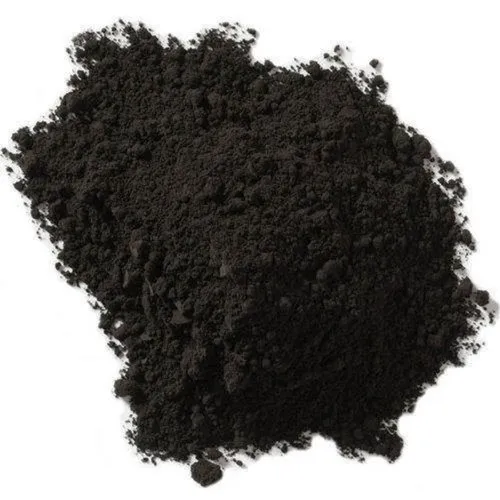
Activated Carbon (Granular) - India
Found this useful?