
Asia-Pacific Chemical Market Forecast 2027: Production Growth, Trade Flows, and Sourcing Opportunities
The Asia-Pacific chemical industry is heading into 2027 with a changing balance between production capacity, feedstock availability and international trade. China remains a major force in global chemical manufacturing, India is strengthening its domestic production base and Southeast Asian markets are navigating supply disruptions alongside opportunities for industrial growth.
For chemical traders, procurement managers and importers, the Asia-Pacific chemical market forecast for 2027 points to a market where supplier selection will depend on more than price alone. Production reliability, regional logistics, product specifications and access to alternative sources will increasingly influence purchasing decisions.
The outlook will vary considerably by country and chemical segment. Commodity petrochemicals face different pressures from specialty chemicals, fertilizer inputs, surfactants and industrial acids, making product-level market analysis essential for buyers planning their sourcing strategies.
1. Asia-Pacific Chemical Market Outlook for 2027
Asia-Pacific will remain a central region for chemical production and consumption as manufacturers serve large domestic markets and supply customers across international trade networks. Industrial expansion, urbanisation and demand from packaging, construction, agriculture, electronics and consumer goods will continue to influence the region's chemical requirements.
However, production growth will not follow a uniform path. China's established manufacturing base, India's expanding industrial demand and Southeast Asia's developing production networks create different opportunities for suppliers and buyers.
Several structural trends will shape the market in 2027:
Domestic demand growth: Expanding manufacturing activity and consumer markets will support demand for polymers, solvents, acids, alkalis and formulation ingredients.
Capacity expansion and adjustment: New plants can improve product availability, while older or less competitive facilities may reduce output or close.
Feedstock and energy economics: Changes in crude oil, natural gas, naphtha and other inputs will affect production costs and export competitiveness.
Regional trade diversification: Buyers may increasingly consider suppliers in multiple Asian countries to reduce dependence on individual production centres.
The main commercial challenge will be distinguishing genuine improvements in supply from temporary price advantages. A market with substantial installed capacity can still experience shortages when feedstocks become scarce, plants operate below capacity or shipping routes face disruption.
2. China and India: Two Major Drivers of Chemical Supply
China and India will remain important to regional chemical trade in 2027, although their market roles differ. China combines extensive manufacturing infrastructure with established export networks, while India benefits from substantial domestic consumption and continuing investment in industrial production.
China's chemical sector faces a complicated balance between export competitiveness and excess capacity in selected products. Industry analysis highlights overcapacity in segments such as ethylene, polypropylene, ammonia and methanol, which can intensify competition and pressure producer margins.
For buyers, this environment may create attractive purchasing opportunities in products where Chinese suppliers maintain strong availability. However, export offers should be assessed against product consistency, delivery schedules, applicable trade measures and the supplier's ability to fulfil orders reliably.
India offers a different set of opportunities. Its large domestic market supports demand for chemicals used in agriculture, textiles, pharmaceuticals, construction and consumer products, while industrial investment can strengthen local production and distribution networks.
Procurement teams should consider both countries according to the product they need:
China: Evaluate for established export capacity, broad product availability and competitive offers across many commodity and intermediate chemical categories.
India: Evaluate for domestic manufacturing growth, regional distribution advantages and sourcing options for industrial chemicals and downstream products.
Dual-country sourcing: Where specifications permit, qualify suppliers in both markets to create alternatives during production interruptions or changes in export economics.
Neither country offers a universal cost advantage across every chemical. Buyers should compare delivered costs, product grades and contractual conditions for each purchase rather than rely on country-level assumptions.
3. Southeast Asia's Production Growth and Supply Constraints
Southeast Asia presents an important combination of manufacturing opportunities, domestic demand growth and exposure to imported feedstocks. Singapore, Thailand, Malaysia, Indonesia and Vietnam each have distinct industrial structures, so buyers need to assess local production capabilities rather than treat the region as one uniform supply market.
Recent industry analysis illustrates how sensitive production can be to disruptions in energy and raw material flows. Atradius projected that Southeast Asian chemical production growth would slow sharply in 2026, while its October 2026 outlook anticipated a potential 5% rebound in 2027 under its stated recovery assumptions.
That potential rebound offers a useful planning signal, but individual markets may recover at different rates. Producers that depend heavily on imported naphtha and liquefied natural gas face different cost pressures from manufacturers with more favourable feedstock arrangements.
Key regional considerations include:
Singapore: Its established petrochemical infrastructure and trading networks make it an important regional distribution and manufacturing hub, although feedstock dependence can expose producers to external supply disruptions.
Thailand: Petrochemical manufacturers must manage feedstock costs, competition and demand from downstream industries.
Malaysia: Gas-linked production can provide advantages for some manufacturers, although downstream products remain exposed to energy and input costs.
Indonesia and Vietnam: Growing domestic industrial demand may support opportunities for suppliers of plastics, industrial chemicals and manufacturing inputs.
For importers, Southeast Asia can provide alternatives to established sourcing routes, especially when suppliers offer suitable specifications and reliable export logistics. Nevertheless, buyers should confirm current production availability before assuming that regional capacity growth will translate directly into exportable volumes.
4. Chemical Trade Flows and Export Opportunities in 2027
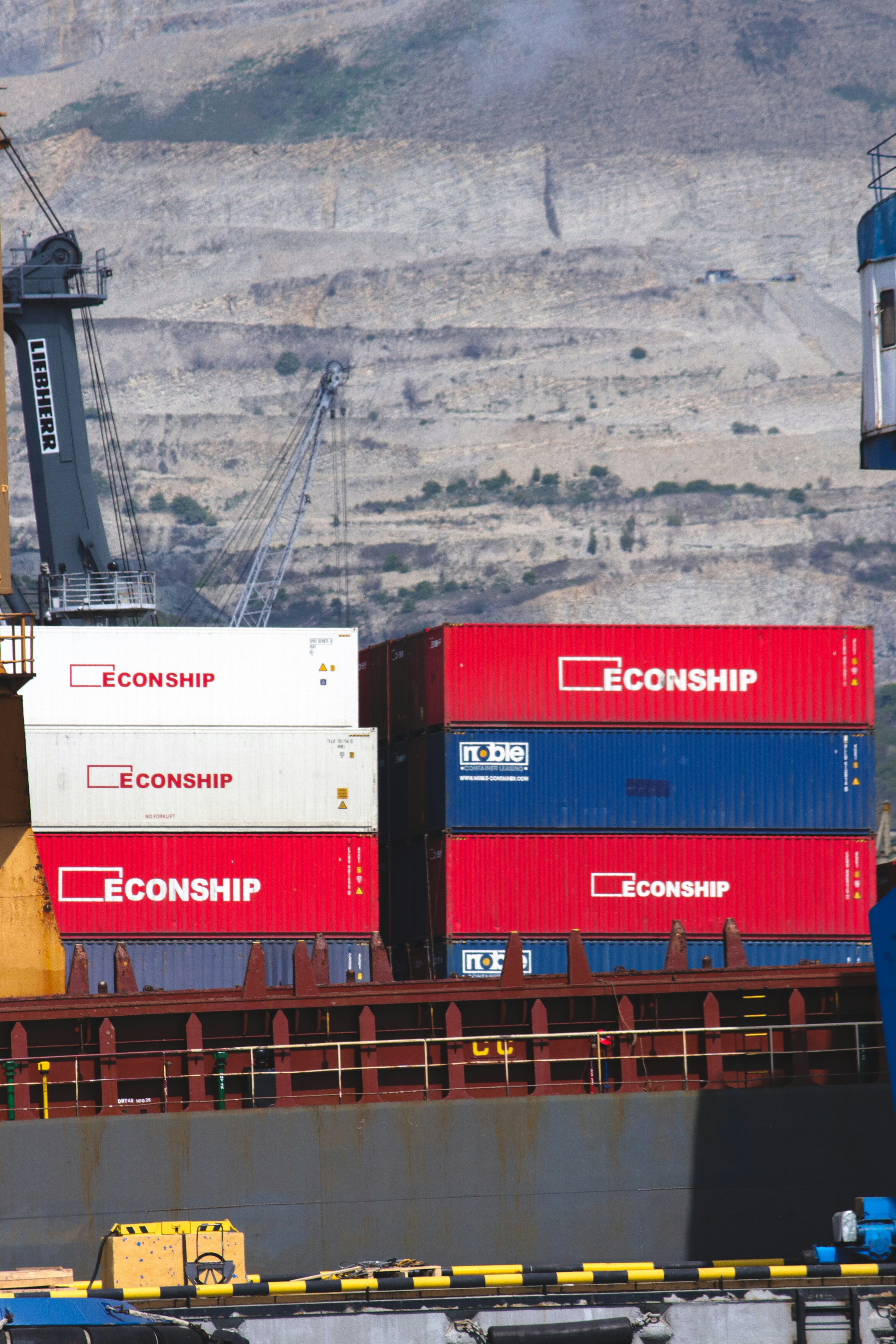
Chemical trade across Asia-Pacific will depend on the relationship between production costs, domestic demand, export availability and transportation economics. Changes in one part of the supply chain can redirect trade between countries, even when overall regional capacity remains substantial.
China's role in regional exports is particularly important. Industry reporting in September 2026 described how Chinese chemical exports helped cover supply gaps during disruptions and highlighted the potential for changing Asian trade patterns.
These shifts matter because a supplier's traditional export destination may not remain its most attractive market. Producers can redirect available volumes toward buyers offering better margins, while importers may need to search beyond established trading partners when familiar supply routes become less reliable.
Several factors will influence trade flows in 2027:
Relative production costs: Manufacturers with better access to feedstocks or lower energy costs may gain export competitiveness.
Regional demand differences: Strong demand in one market can absorb volumes that would otherwise move into export channels.
Freight and insurance costs: Higher shipping expenses can eliminate the apparent savings offered by a low-priced supplier.
Trade policy: Tariffs, import restrictions and documentation requirements can alter the commercial attractiveness of cross-border purchases.
Inventory decisions: Buyers rebuilding stocks after disruptions may increase near-term demand, affecting supplier availability and lead times.
Importers should monitor both the country of manufacture and the actual shipping origin. A product manufactured in one country may pass through a separate trading or distribution hub before reaching its destination, creating additional costs or documentation requirements.
Exporters can also benefit by identifying markets where local buyers need alternative sources. Consistent specifications, transparent documentation and dependable fulfilment can help suppliers compete when customers prioritise continuity alongside price.
5. Feedstock Costs, Chemical Prices and Producer Margins
Chemical prices reflect a combination of raw material costs, energy consumption, production utilisation, logistics and demand from downstream industries. In 2027, differences in feedstock access may remain a significant source of competitive advantage across Asia-Pacific.
Petrochemical producers that rely on imported naphtha or other hydrocarbon feedstocks can face rapid cost changes when international energy markets experience disruptions. Higher input costs do not always translate into higher selling prices because buyers may resist increases when downstream demand remains weak.
This creates different pricing conditions across product categories. Commodity chemicals with abundant supply may experience intense price competition, while products affected by production outages or constrained feedstock availability can become more expensive even when broader industrial demand remains moderate.
Procurement teams should examine the main cost drivers for each product:
Feedstock exposure: Identify whether the manufacturer depends on imported crude derivatives, natural gas, mineral inputs or agricultural raw materials.
Energy intensity: Assess how electricity, steam and fuel costs affect the supplier's production economics.
Capacity utilisation: Determine whether the producer operates consistently or faces interruptions that could constrain available volumes.
Freight and handling: Compare the full landed cost, including transport, insurance, port charges and applicable import duties.
Contract terms: Review the validity of quotations, price-adjustment clauses, payment terms and provisions for delayed shipments.
A low initial quotation does not necessarily represent the best commercial outcome. Buyers should compare the total cost of receiving conforming material at the required location and time, including the potential expense of a delayed or incomplete shipment.
6. High-Potential Chemical Segments for Regional Buyers
The 2027 outlook will differ across the many chemical categories traded throughout Asia-Pacific. Buyers should focus on the industries that consume each product and the availability of qualified manufacturers rather than assume that broad market growth will benefit every segment equally.
Commodity petrochemicals and polymers will remain sensitive to capacity utilisation, feedstock economics and competition between manufacturers. Products such as polyethylene, PVC resin, styrene monomer and other industrial intermediates can offer sourcing opportunities where suppliers maintain suitable grades and consistent export availability.
Industrial acids and alkalis support metal processing, water treatment, chemical manufacturing and numerous other industrial operations. Products such as sulphuric acid, hydrochloric acid and caustic soda require particular attention to concentration, packaging compatibility, transport arrangements and safe handling requirements.
Fertilizer and agricultural chemicals depend on agricultural demand, energy costs and international supply conditions. Ammonia, urea, ammonium sulphate and phosphate-based products can experience different market dynamics depending on regional production capacity and seasonal purchasing requirements.
Surfactants and formulation ingredients serve detergent manufacturers, personal care producers and industrial cleaning applications. Linear alkylbenzene sulfonic acid, sodium laureth sulphate and fatty alcohol ethoxylate are examples of products for which buyers must align grade specifications with the intended formulation.
Specialty and higher-value chemicals may offer different commercial opportunities from high-volume commodities. Manufacturers with reliable quality systems and application-specific expertise can compete on consistency, technical support and product performance rather than price alone.
For traders, the strongest opportunities often emerge from matching a particular supplier's capabilities to a specific buyer requirement. Clear specifications and dependable fulfilment can be more valuable than a broad product catalogue without reliable stock availability.
7. Supply Chain Risks and Supplier Qualification
Regional production growth does not remove the operational risks associated with international chemical sourcing. Buyers must still account for feedstock interruptions, unexpected plant maintenance, port congestion, shipping delays and changes in export availability.
Recent disruptions have demonstrated how quickly energy and feedstock constraints can affect production across interconnected Asian markets. Supply-chain analysis from S&P Global has also highlighted the importance of shipping bottlenecks, inventory rebuilding and changing supplier relationships as the industry approaches 2027.
Procurement teams can reduce exposure by building a structured supplier qualification process:
Verify supplier credentials. Confirm the company's legal identity, manufacturing or distribution role and ability to supply the required product.
Review technical documentation. Request an appropriate certificate of analysis, safety data sheet and technical data sheet where applicable.
Confirm specification compatibility. Check purity, concentration, moisture content, physical form and any application-specific requirements.
Validate shipment arrangements. Agree on packaging, shipment size, delivery terms, lead time and responsibilities for transport and insurance.
Establish backup sources. Qualify alternative suppliers before an urgent shortage occurs rather than begin the search after a disruption.
Supplier diversification works best when the alternative source has already passed technical and commercial checks. A second quotation provides limited protection if the supplier cannot meet the buyer's quality requirements or delivery schedule.
Buyers should also distinguish between a manufacturer, an authorised distributor and a trading intermediary. Each may serve a useful role, but their documentation, inventory access and responsibility for fulfilment can differ.
8. What Procurement Teams Should Prepare for 2027
The Asia-Pacific chemical market forecast for 2027 suggests that buyers will need flexible sourcing plans that account for both competitive supply and sudden changes in availability. Procurement teams should avoid basing annual purchasing decisions entirely on current spot prices or assumptions about future capacity.
A practical sourcing strategy should combine forward planning with regular market reviews. Buyers can monitor feedstock trends, supplier operating conditions, regional trade developments and changes in freight costs to identify when an alternative source becomes commercially attractive.
The following actions can improve purchasing decisions:
Segment the purchasing portfolio: Separate critical production inputs from routine purchases and identify which materials need stronger supply protection.
Compare multiple origins: Request offers from qualified suppliers across different countries where technically and commercially feasible.
Review inventory requirements: Balance the cost of holding stock against the operational impact of a supply interruption.
Set quotation review intervals: Reassess offers when freight, feedstock prices or delivery conditions change materially.
Strengthen supplier communication: Confirm stock availability, production schedules and shipment commitments before finalising orders.
Digital B2B sourcing platforms can help buyers compare supplier offers and identify potential trading partners across markets. However, procurement teams should still verify specifications, documentation, commercial terms and supplier credentials before placing orders.
The most effective strategy is not necessarily to buy from the cheapest country or commit to the largest available volume. It is to secure the right material from a qualified supplier at a competitive landed cost, with delivery terms that support operational continuity.
Looking Ahead to 2027: Turning Market Changes Into Sourcing Opportunities
Asia-Pacific's chemical industry will continue to offer substantial opportunities for manufacturers, exporters, importers and industrial buyers, but the benefits will vary by country and product category. China's export strength, India's domestic demand and Southeast Asia's developing production networks will create different sourcing possibilities as producers respond to capacity pressures, feedstock economics and changing trade routes.
For procurement professionals, the priority is to combine market awareness with practical supplier qualification. Buyers who compare alternative origins, evaluate total landed costs and maintain reliable backup sources will be better positioned to manage price volatility and take advantage of favourable purchasing opportunities.
Chemical traders and exporters can strengthen their position by offering clear specifications, consistent documentation, realistic delivery commitments and transparent commercial terms. As trade relationships evolve, dependable supply and product suitability will remain important factors in winning repeat business.
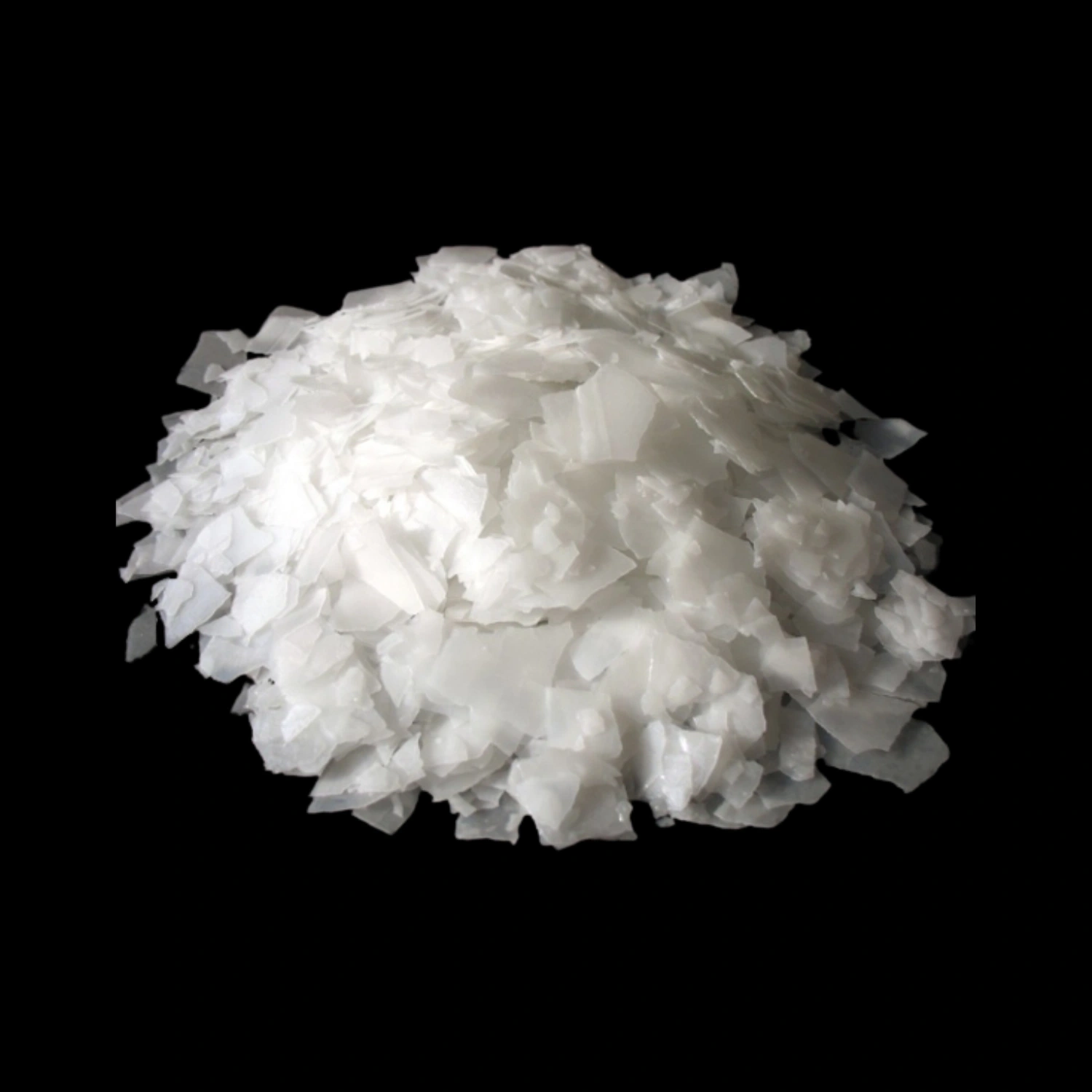
Caustic Soda Flakes
Found this useful?