Aurubis Hamburg Automated Pre-Processing Plant: Advancing Metal Recycling and Raw Material Recovery
Aurubis is strengthening its Hamburg production hub with a new automated pre-processing plant scheduled for commissioning in late 2028, marking another step toward more precise metal recovery and industrial recycling. The project will use advanced sensors and X-ray technology to sort metal-bearing intermediates, improve material valuation and direct valuable resources toward the most suitable processing routes.
Aurubis
For chemical traders, industrial buyers and raw material procurement teams, this investment highlights a broader shift in the metals and recycling sectors. Companies increasingly depend on better material identification, reliable quality assessment and efficient recovery processes to extract value from complex industrial feedstocks.
Although the project focuses on metallurgical materials rather than conventional chemical production, its implications extend across industrial supply chains. Improved recovery of copper and precious metals can support the wider availability of secondary raw materials, strengthen resource efficiency and influence how industrial buyers evaluate recycled feedstocks.
1. Aurubis Expands Its Hamburg Multimetal Hub
Aurubis AG is a major non-ferrous metals producer and copper recycler with an established industrial presence in Hamburg, Germany. Its latest investment will add another processing stage to the site's existing operations, allowing the company to manage complex raw materials and metallurgical intermediates more efficiently.
The company approved the investment in early October 2026, with commissioning planned for late 2028. The facility will complement existing production and recycling infrastructure instead of operating as an isolated project.
The expansion follows the commissioning of Complex Recycling Hamburg in July 2026, which strengthened Aurubis' ability to process complex recycling materials and recover strategically important metals. The new pre-processing plant will build on this capability by improving how incoming materials undergo separation, classification and sampling before downstream treatment.
Aurubis
+1
This development reflects a strategic priority for metals producers: control more processing stages within their own industrial networks. Better control can improve the consistency of incoming feedstocks, provide clearer information about metal content and help operators match materials with suitable treatment processes.
For industrial buyers, this approach illustrates how investment in processing infrastructure can strengthen the connection between recycling operations and established metal supply chains.
2. How Automated Pre-Processing Improves Metal Recovery
Metal-bearing intermediates can contain several valuable components in a single material stream. Their composition may vary, making accurate identification and separation essential for determining their commercial value and selecting the appropriate recovery method.
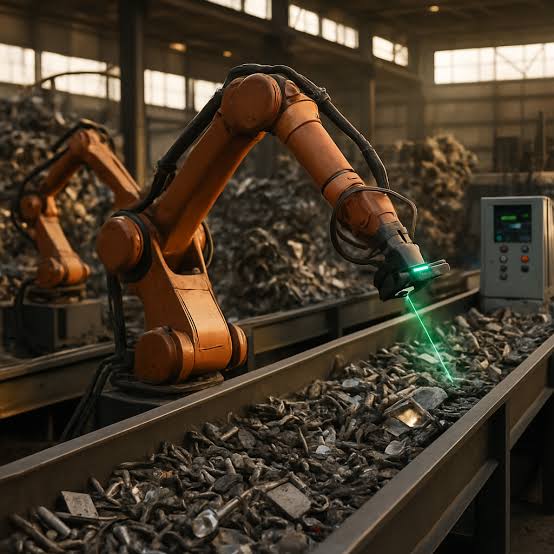
Aurubis plans to use automated equipment, sensors and X-ray technology to distinguish material components more precisely. The facility will also sort copper-bearing and precious-metal-bearing materials into defined grain sizes, supporting more consistent sampling and downstream processing.
The proposed process offers several operational advantages:
More precise material separation: Automated identification can help distinguish different material fractions before they enter subsequent treatment stages.
Improved metal valuation: Better classification and representative sampling can give operators a clearer understanding of the recoverable metal content.
More efficient process routing: Operators can direct classified materials toward suitable processes within the company's smelter network.
Reduced manual handling: Automation can take over physically demanding sorting activities and reduce workers' exposure to strenuous tasks.
Better process control: More consistent information about incoming materials can support operational planning and resource allocation.
These improvements matter because metal recovery depends on more than the quantity of material entering a facility. Its composition, physical characteristics and suitability for specific processing routes also affect the value that operators can recover.
Automated pre-processing therefore serves as an important link between receiving complex raw materials and extracting their valuable components efficiently.
3. Why Sensor and X-Ray Technology Matter for Industrial Recycling
Traditional material handling can require substantial manual effort when operators need to distinguish mixed or complex feedstocks. Differences in particle size, composition and metal distribution can complicate assessment, especially when several valuable metals occur together.
Sensor-assisted sorting and X-ray inspection can improve this process by providing additional information about material characteristics. When integrated into an automated system, these technologies can support more consistent separation and help operators identify the appropriate destination for different fractions.
For Aurubis, the planned installation will combine sorting with material preparation and sampling. This integration matters because classification alone does not determine commercial value. Buyers and processors also need reliable samples and dependable estimates of recoverable metal content.
Better sampling can support clearer commercial discussions between material suppliers and processors. When both parties have stronger evidence about composition, they can assess quality, settlement terms and processing requirements with greater confidence.
Automation also helps create a more structured operating environment. Rather than relying on manual intervention at every stage, the plant will use integrated equipment to manage multiple steps in the pre-processing sequence.
However, technology delivers its greatest value when operators combine it with appropriate calibration, maintenance, sampling procedures and quality controls. These supporting practices remain important for obtaining consistent results across changing material streams.
4. Implications for Copper and Precious Metal Supply Chains
The Aurubis investment comes as industrial manufacturers continue to seek reliable sources of metals for electrical equipment, electronics, infrastructure and other manufacturing applications. Recycling offers an additional route for recovering valuable materials from secondary feedstocks instead of depending exclusively on primary extraction.
Better pre-processing can help recycling operators understand what enters their facilities and where different materials should go next. This can improve the coordination of collection, sorting, smelting and metal recovery.
For procurement professionals, the main implications include:
Greater attention to secondary raw materials: Improved processing capabilities can support the use of recycled metal-bearing feedstocks across industrial supply chains.
More detailed quality assessment: Buyers and processors may place greater emphasis on material composition, sampling methods and documented specifications.
Closer supplier relationships: Reliable feedstock information can help suppliers and processors coordinate material acceptance and commercial terms.
Stronger resource efficiency: Recovering valuable components from complex materials can help retain useful metals within industrial production cycles.
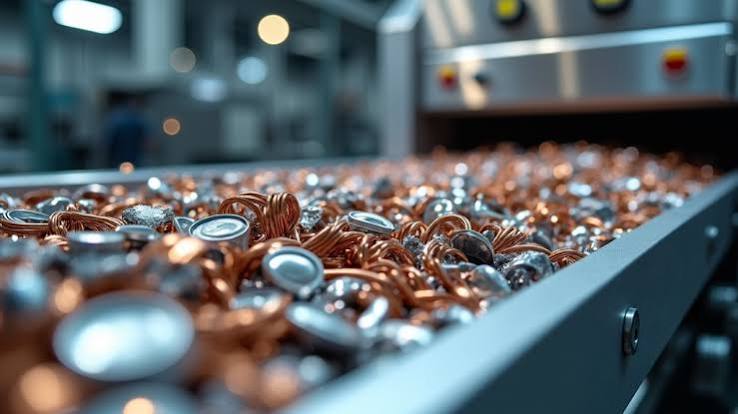
The project does not establish a specific increase in copper output or disclose additional processing capacity. Its immediate significance lies in improving the handling, assessment and routing of materials already entering the industrial recycling system.
5. Workplace Safety and Environmental Performance
Industrial recycling facilities must manage physical handling risks, dust and the operational challenges associated with complex raw materials. Manual sorting can expose workers to strenuous tasks and create demanding working conditions around material handling equipment.
Aurubis plans to house the new pre-processing facility in an enclosed building with modern filtration, extraction and sorting technology. The design aims to reduce dust-intensive work stages, improve control over material flows and create safer working conditions.
Aurubis
Automation can contribute to these objectives by reducing the need for workers to perform repetitive physical tasks directly around sorting operations. Enclosed processing and appropriate extraction systems can also help operators manage dust generated during material preparation.
The environmental benefits depend on how effectively the plant integrates its equipment and operating procedures. Filtration performance, maintenance, material containment and consistent monitoring will remain important to controlling emissions.
For companies evaluating industrial recycling partners, these capabilities can become part of broader supplier assessments. Procurement teams may increasingly consider operational safety, environmental management and material traceability alongside price, composition and delivery reliability.
The planned plant therefore addresses both production efficiency and the conditions under which industrial recycling takes place.
6. What the Investment Means for Industrial Buyers and Traders
The new facility is primarily an operational investment for Aurubis, but it offers useful signals for businesses involved in industrial raw materials. Better classification and sampling can improve how suppliers and processors discuss material quality, commercial value and downstream suitability.
Traders handling recycled metals, industrial residues or metal-bearing intermediates should pay particular attention to the quality of their product documentation. Accurate composition data, consistent sampling and clear material specifications can help reduce disagreements during purchasing and settlement.
Procurement teams can prepare by strengthening several parts of their sourcing process:
Review supplier specifications: Confirm which metals a material contains, how suppliers determine composition and whether specifications match the receiving processor's requirements.
Clarify sampling procedures: Establish how samples are collected, prepared, tested and represented against the full shipment.
Compare commercial terms carefully: Understand how metal content, recoverability, processing charges and other contractual conditions influence the final value.
Assess delivery and handling requirements: Check packaging, transport arrangements, contamination controls and any special handling conditions associated with the feedstock.
Monitor recycling infrastructure developments: New processing investments can indicate where industrial capabilities are expanding and where supply relationships may evolve.
Buyers should also distinguish between a company's investment plans and the immediate availability of commercial material. The Hamburg facility is scheduled for commissioning in late 2028, so its future capabilities should not be treated as current additional supply.
For chemical traders, the wider lesson is that industrial procurement increasingly depends on reliable technical information as well as competitive pricing. This principle applies across metals, industrial chemicals and other materials whose value depends on composition and processing requirements.
7. The Road to 2028: What Buyers Should Watch
The period leading to late 2028 will provide opportunities to monitor how Aurubis develops the project and integrates it into the Hamburg site's existing operations. Construction progress, commissioning milestones and the performance of the automated sorting system will help clarify its operational contribution.
Three developments deserve particular attention.
First, buyers should follow the plant's commissioning progress and the way Aurubis incorporates the facility into its wider smelter network. Successful integration will determine how effectively the new processing stage supports existing recycling and production operations.
Second, suppliers and traders should watch for further information about material acceptance, sampling quality and the commercial treatment of different feedstocks. Clearer processes can help businesses prepare suitable materials and improve their understanding of supplier requirements.
Third, industrial buyers should track broader investment in recycling and secondary raw material processing. More advanced infrastructure can change the way businesses manage resource recovery, assess recycled inputs and develop longer-term supply relationships.
The investment also reinforces the importance of resource efficiency in industrial production. As companies seek to recover greater value from complex materials, automated sorting, accurate sampling and coordinated processing can become increasingly important parts of the supply chain.
What Procurement Teams Should Do Now
Aurubis' planned Hamburg pre-processing plant demonstrates how automation can improve the assessment and handling of complex metal-bearing materials. Its combination of sensor technology, X-ray inspection and automated preparation aims to improve valuation, routing, workplace safety and the efficiency of downstream recovery.
For procurement managers, importers, exporters and industrial traders, the practical priority is to build sourcing processes around dependable specifications, transparent quality assessment and strong supplier communication. Businesses that understand material composition and processing requirements will be better positioned to evaluate offers and manage purchasing risks as recycling infrastructure evolves.
The project also highlights a wider opportunity for companies operating across industrial supply chains. Reliable information and effective material recovery can support better purchasing decisions, more efficient resource use and stronger coordination between suppliers and processors.

Copper Sulphate Pentahydrate
Found this useful?