Australia's Greenbushes Lithium Operation Recovers From a Production-Disrupting Fire
Australia’s Greenbushes Lithium Operation Recovers From a Production-Disrupting Fire
Introduction
Australia’s Greenbushes lithium operation has recovered from a fire that temporarily disrupted production at one of its processing facilities, demonstrating the resilience of one of the world’s most important lithium supply operations.
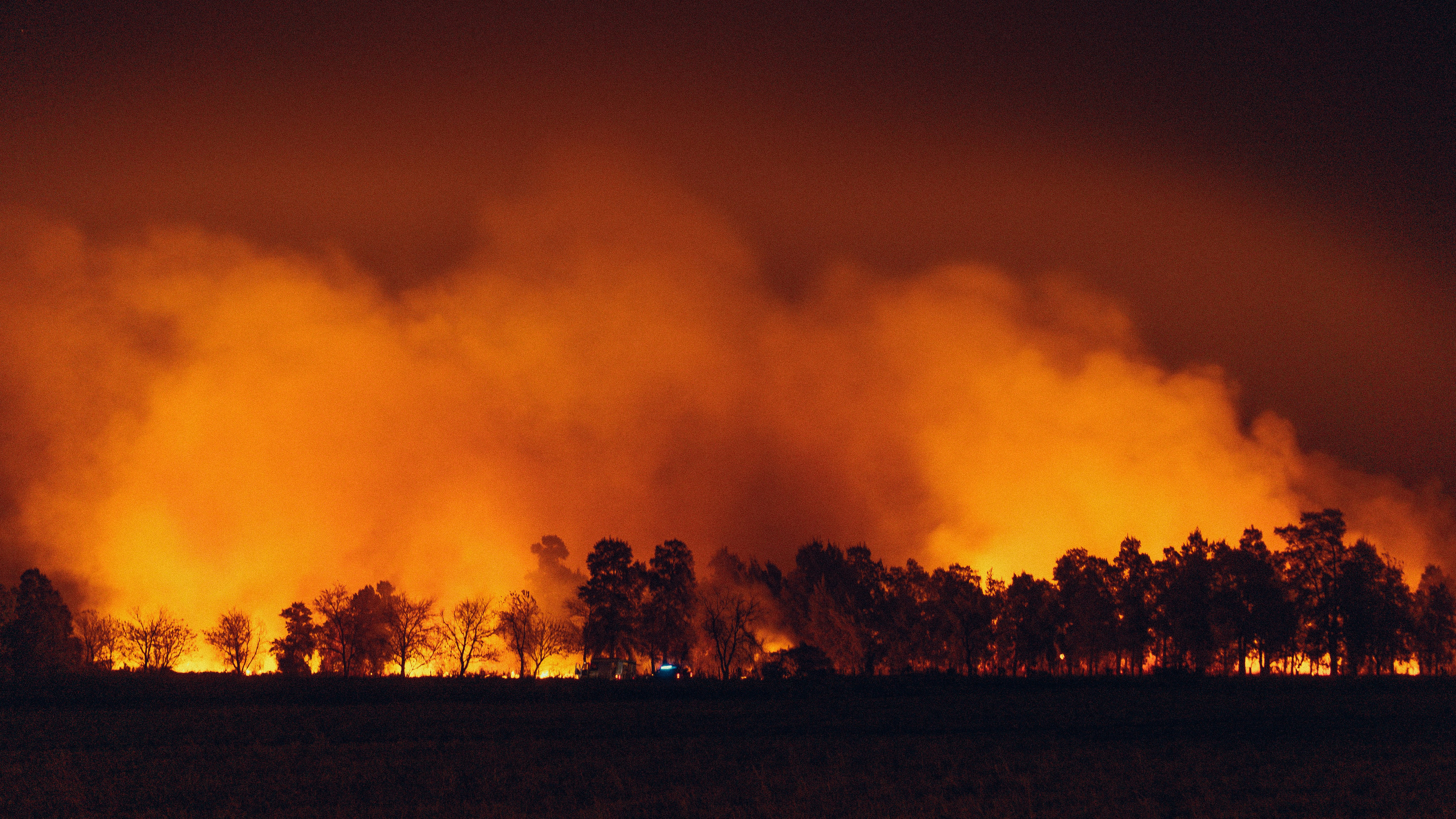
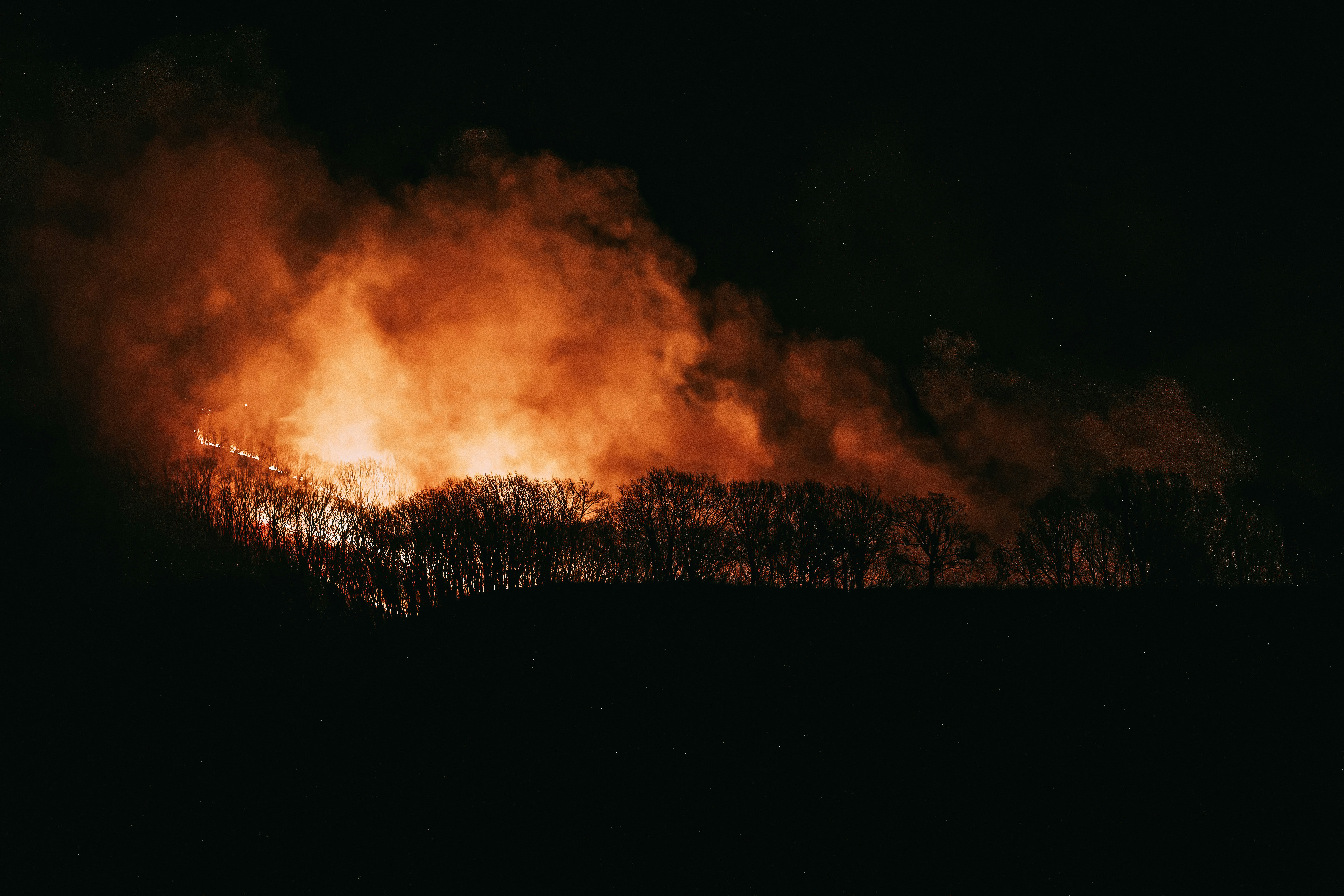
The incident occurred at Chemical Grade Plant 3 (CGP3) on June 9, 2026. The fire was extinguished without injuries, while Greenbushes’ other chemical-grade processing facilities remained operational. Subsequent production performance indicated that the operation was able to recover and finish the financial year strongly.
Fire at Chemical Grade Plant 3
The fire occurred at the newly commissioned CGP3 facility during maintenance activities. According to IGO, the operator Talison Lithium immediately responded to the incident and launched an investigation into its cause and the extent of the damage.
Importantly, no injuries were reported, while the existing CGP1 and CGP2 facilities were unaffected. This allowed production across the wider Greenbushes operation to continue despite the disruption at CGP3.
The incident initially raised concerns about the ramp-up of the new processing facility and whether repairs could affect Greenbushes’ production targets.
Production Recovery
The impact of the incident proved more limited than initially feared.
IGO reported that Greenbushes finished FY2026 at the upper end of its revised production guidance. The operation produced approximately 387,000 tonnes of spodumene concentrate in the fourth quarter, despite the June fire at CGP3.
The result demonstrates the importance of having multiple processing facilities operating within a major mining complex. With CGP1 and CGP2 continuing to operate, the temporary disruption at CGP3 did not bring the wider Greenbushes operation to a halt.
Why Greenbushes Matters to the Lithium Market
Greenbushes is one of the world's most important sources of hard-rock lithium.
The operation produces spodumene concentrate, which is processed into lithium chemicals used in the production of lithium-ion batteries. These batteries are critical to electric vehicles, energy-storage systems, consumer electronics, and other clean-energy technologies.
This makes operational disruptions at Greenbushes relevant beyond Australia. Any prolonged reduction in production could influence concentrate availability and potentially affect lithium supply-chain economics.
The operation's recovery therefore provides some reassurance to battery-material buyers and downstream lithium producers that the disruption did not result in a prolonged loss of supply.
The Importance of CGP3
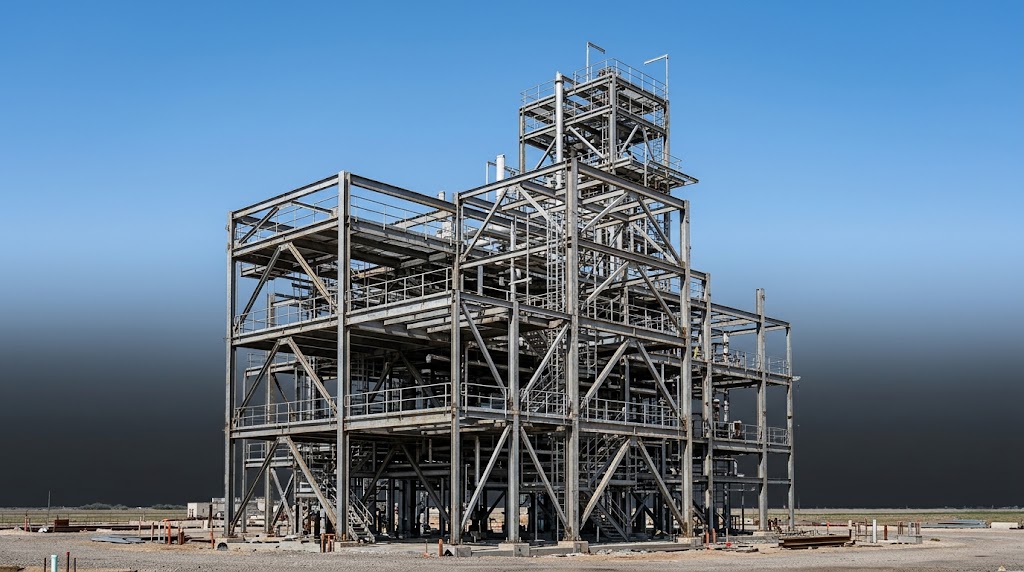
CGP3 is part of Greenbushes’ broader expansion of chemical-grade lithium processing capacity.
The facility had recently entered production and was in the process of ramping up when the fire occurred. Tianqi Lithium reported that the plant had begun producing chemical-grade lithium concentrate earlier in 2026 following the completion of its expansion project.
A disruption during the early ramp-up phase can be particularly significant because new processing facilities typically require time to achieve stable operating performance.
The fire therefore created a potential risk to both production volumes and the speed of the plant's ramp-up.
No Major Impact on Existing Production
One of the key factors limiting the impact of the incident was the continued operation of Greenbushes' other processing facilities.
IGO confirmed immediately after the fire that CGP1 and CGP2 were unaffected and that the operation remained on track to meet its FY2026 spodumene production guidance.
This highlights the value of operational redundancy in large-scale mining and processing operations.
For lithium buyers, diversified processing capacity can reduce the risk that a single equipment failure or plant incident results in a major supply interruption.
Implications for Lithium Supply Chains
The Greenbushes incident provides an important reminder of the operational risks facing the global lithium supply chain.
Lithium producers must manage a range of risks, including:
Processing-plant failures
Equipment damage
Maintenance delays
Weather-related disruptions
Mine operating conditions
Energy and transportation costs
Lithium price volatility
Commissioning and ramp-up risks
For downstream buyers, these risks reinforce the importance of monitoring production operations rather than relying solely on published annual capacity figures.
A plant may have significant nameplate capacity, but actual supply depends on operating reliability, maintenance schedules, recovery rates, and the ability to respond quickly to unexpected disruptions.
Market Impact
The relatively quick recovery at Greenbushes limits the likelihood of a prolonged supply shock from the incident.
However, the event occurred during a period when lithium markets remain highly sensitive to changes in production and demand. The lithium sector has experienced significant price volatility in recent years as producers have responded to changing electric-vehicle demand, battery-sector growth, and periods of oversupply.
As a result, even temporary production disruptions can attract significant attention from investors, traders, battery manufacturers, and chemical producers.
The Greenbushes recovery provides a more positive signal by showing that the broader operation was able to maintain production despite the CGP3 incident.
Strategic Importance for Australia
Greenbushes also demonstrates Australia's continuing importance in global critical-mineral supply chains.
Australia remains a major producer of lithium-bearing minerals, while the country's mining industry provides raw materials to processors and battery-material manufacturers around the world.
Maintaining reliable production at major operations such as Greenbushes is therefore important not only for individual companies but also for Australia's position in the global critical-minerals market.
The ability to withstand operational disruptions and restore production quickly will become increasingly important as governments seek more secure and diversified battery-material supply chains.
Outlook
The Greenbushes fire appears to have been contained without causing a prolonged disruption to the overall operation.
The continued performance of CGP1 and CGP2, combined with the operation's strong FY2026 finish, suggests that Greenbushes was able to absorb the temporary impact of the CGP3 incident.
The next key issue will be the continued ramp-up and reliability of CGP3 following repairs and the completion of the investigation.
For lithium-market participants, the focus will remain on production volumes, processing capacity, lithium prices, and demand from electric vehicles and energy-storage applications.
Conclusion
Australia's Greenbushes lithium operation has demonstrated considerable operational resilience following a fire at its Chemical Grade Plant 3.
The June 2026 incident temporarily disrupted the new processing facility, but there were no reported injuries and the existing CGP1 and CGP2 operations continued unaffected. Greenbushes subsequently finished FY2026 strongly, producing around 387,000 tonnes of spodumene concentrate in the fourth quarter.
For the global lithium industry, the episode highlights both the importance of Greenbushes and the need for resilient processing infrastructure. While the fire created short-term uncertainty, the operation's recovery suggests that the incident is unlikely to become a prolonged disruption to global lithium supply.
Zeolite
Found this useful?