Avantium Produces First FDCA Batch at Delfzijl Plant as Commercial Qualification Begins
Avantium has produced the first batch of furandicarboxylic acid (FDCA) at its Delfzijl plant in the Netherlands, marking an important step toward commercial production of a renewable chemical building block. The company has begun product qualification and aims to start commercial sales by the end of 2026, opening a potential new supply route for manufacturers seeking alternatives to conventional fossil-based chemical feedstocks.
For chemical traders, polymer manufacturers, packaging converters and procurement managers, this milestone signals progress in the development of bio-based materials. FDCA can serve as a building block for polyethylene furanoate (PEF), a polymer attracting interest for packaging and other applications where material performance and renewable feedstocks matter.
The transition from initial production to commercial sales will depend on consistent product quality, customer approval and reliable manufacturing operations. Buyers should therefore view the first batch as an important industrial milestone while monitoring qualification results, commercial availability and the development of downstream demand.
What Is FDCA and Why Does It Matter?
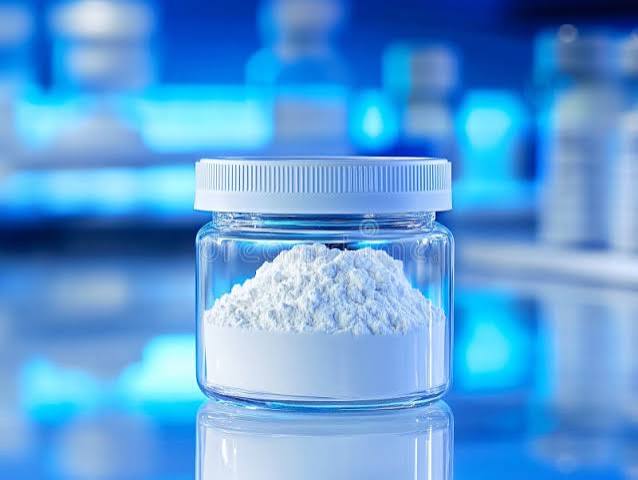
2,5-Furandicarboxylic acid, commonly known as FDCA, is an organic chemical that can be produced from renewable carbohydrate-based feedstocks. It is considered an important platform chemical because manufacturers can use it to produce polymers and other specialty materials.
One of its most prominent applications is the production of polyethylene furanoate, or PEF. Manufacturers produce PEF by reacting FDCA with ethylene glycol, creating a polyester that can be considered for bottles, films and other packaging formats.
PEF has attracted attention because its material properties differ from those of conventional polyethylene terephthalate (PET). Depending on the application and formulation, PEF can offer useful gas-barrier performance, which may help packaging manufacturers protect sensitive products and manage shelf-life requirements.
FDCA's commercial relevance extends beyond its renewable origin. Polymer producers need feedstocks that meet consistent purity and performance specifications, work with downstream manufacturing processes and remain available at commercially viable prices.
For buyers, the key question is whether renewable FDCA can progress from an emerging specialty feedstock into a dependable industrial input. Avantium's first production batch represents a step toward answering that question.
Avantium's Delfzijl Plant Moves Toward Commercial Supply
The first FDCA batch from Avantium's Delfzijl facility marks the transition from project development toward product qualification and commercial market entry. Qualification allows the company and prospective customers to assess whether the material meets agreed technical requirements for specific applications.
This process is particularly important for new chemical building blocks. Customers may need to conduct laboratory testing, evaluate polymerization performance, run production trials and verify that the resulting material meets the quality requirements of their finished products.
Commercial readiness involves more than producing an initial batch. The plant must demonstrate repeatable output, stable product specifications and reliable operating performance to support ongoing customer orders.
Avantium's target of commercial sales by the end of 2026 provides a timetable for prospective buyers to plan evaluations and discuss potential supply arrangements. The actual purchasing opportunities will depend on qualification progress, production volumes and the company's commercial terms.
For chemical distributors and procurement teams, the qualification period offers an opportunity to engage early with the emerging supply chain. Buyers can identify potential applications, establish specification requirements and evaluate how FDCA might fit into future material portfolios.
How Renewable FDCA Could Change Sustainable Packaging
Packaging is a major potential market for renewable polymer feedstocks. Brand owners and packaging manufacturers face increasing pressure to assess material sourcing, resource efficiency and end-of-life management while maintaining product protection, manufacturing performance and competitive costs.
FDCA provides a route toward PEF, which offers a potential alternative to conventional polyester materials in selected applications. Its properties may create opportunities in food and beverage packaging, films and other formats where barrier performance is important.

Potential areas of interest include:
Beverage packaging: PEF may offer useful barrier characteristics for packaging applications where limiting oxygen or carbon dioxide transmission matters.
Food packaging: Selected films and containers could benefit from material properties that help protect product quality and shelf life.
Flexible packaging: Polymer developers can investigate whether PEF-based materials suit particular film structures and performance requirements.
Specialty polymers: FDCA can support research into other furan-based materials with applications beyond mainstream packaging.
These opportunities still depend on product qualification, manufacturing compatibility and end-market approval. Buyers should assess each proposed application individually rather than assume that FDCA-derived materials can replace existing polymers in every use.
What Product Qualification Means for Chemical Buyers
Product qualification is a critical commercial stage because it establishes whether a new material can meet a customer's technical and operational requirements. For FDCA, the process can extend beyond testing the chemical itself to evaluating its performance in downstream polymer production.
Procurement and technical teams should coordinate their assessments around several priorities:
Purity and consistency: Review the supplier's specifications, analytical methods and batch-to-batch quality controls.
Polymerization performance: Confirm that the material performs appropriately under the intended production conditions and produces the required polymer characteristics.
Application testing: Evaluate finished-product performance, including mechanical properties, barrier performance and any relevant food-contact or other regulatory requirements.
Supply continuity: Understand planned production capacity, expected lead times and the supplier's arrangements for managing manufacturing interruptions.
Commercial terms: Compare pricing, minimum order quantities, packaging formats and delivery conditions against the economics of existing feedstocks.
Buyers should also establish clear acceptance criteria before placing larger orders. Early discussions about specifications, testing protocols and documentation can reduce delays when a product moves from laboratory evaluation to industrial use.
For distributors, qualification creates a potential opportunity to connect new producers with converters and manufacturers. However, technical support and reliable documentation will be important when introducing a material that customers may not have used at scale.
FDCA Compared With Conventional Petrochemical Feedstocks
Conventional PET production relies on terephthalic acid and ethylene glycol, which are generally produced through established petrochemical supply chains. FDCA offers an alternative chemical building block for producing PEF, potentially allowing manufacturers to incorporate renewable carbon into certain polyester applications.
The comparison is not simply a matter of renewable versus fossil-based raw materials. Buyers must consider production costs, conversion efficiency, manufacturing infrastructure, material performance and the environmental impact of the complete supply chain.
Renewable feedstocks can also be exposed to different cost drivers from conventional petrochemicals. Agricultural inputs, carbohydrate processing, energy requirements and plant utilization may influence production economics, while established fossil-based chemicals benefit from mature infrastructure and large-scale supply networks.
The commercial competitiveness of FDCA will therefore depend on how efficiently producers manufacture it and how much value downstream customers place on its properties and renewable origin. Customer qualification is a key step in determining whether those benefits justify the cost of adoption.
For chemical traders, the emerging FDCA market presents a potential diversification opportunity, but sourcing decisions should be based on verified specifications, available quantities and realistic demand forecasts.
Sustainability, Traceability and Regulatory Requirements
Renewable chemical feedstocks can help manufacturers diversify carbon sources, but their environmental benefits depend on production methods and supply-chain performance. The source of the carbohydrate feedstock, process energy consumption, conversion yields and transportation requirements all influence the overall environmental footprint.
Buyers should request documentation that identifies the feedstock origin and explains how renewable content is calculated. Where suppliers make environmental claims, procurement teams should confirm that supporting records and applicable certification schemes meet the requirements of their target markets.
Downstream applications may also face specific regulatory requirements. Packaging intended for food contact, for example, requires suitable compliance documentation for the relevant material and jurisdiction, while recycled-content or biodegradability claims involve separate criteria that should not be inferred from renewable origin alone.
FDCA's bio-based origin does not automatically mean that every resulting polymer is biodegradable or recyclable through existing infrastructure. Material design, collection systems and waste-treatment capabilities determine how a finished product performs at the end of its useful life.
Clear technical and environmental documentation will help manufacturers assess FDCA on a consistent basis and support credible communication with customers.
Market Outlook: What to Watch Through the End of 2026
Avantium's target of commercial sales by the end of 2026 makes the coming qualification period important for the development of the FDCA market. Buyers will be watching for evidence that the Delfzijl facility can deliver consistent material quality and establish dependable commercial production.
Several indicators will help determine the project's commercial progress:
Qualification outcomes: Customer approvals will indicate whether the material meets the requirements of targeted applications.
Production reliability: Consistent output will help establish whether the facility can support repeat orders and longer-term supply commitments.
Pricing and contract terms: Commercial offers will reveal how FDCA compares with established chemical building blocks and whether buyers can justify switching.
Downstream investment: Additional PEF production capacity and packaging development could strengthen demand for FDCA.
Environmental verification: Transparent feedstock and emissions documentation will help buyers evaluate sustainability claims and meet customer requirements.
For procurement managers, the most practical next step is to identify applications where FDCA-derived materials may provide a clear performance or sustainability advantage. Technical evaluation can begin before large-scale sourcing commitments, provided buyers understand that commercial availability depends on qualification and production progress.
For traders, early engagement with suppliers and prospective customers may help establish relationships ahead of broader market development. The strongest opportunities will likely come from matching verified material capabilities with specific downstream requirements rather than treating all renewable polymers as interchangeable.
The Bottom Line for Sustainable Feedstock Procurement
Avantium's first FDCA batch at Delfzijl marks a meaningful milestone in the development of renewable chemical feedstocks. With product qualification underway and commercial sales targeted by the end of 2026, the company is moving toward the next stage of market adoption.
For chemical buyers, the opportunity lies in evaluating FDCA as a potential building block for PEF and other furan-based materials. Its commercial success will depend on consistent quality, downstream performance, competitive production costs and reliable supply.
Procurement teams should monitor qualification progress, request detailed technical documentation and compare potential applications against existing petrochemical alternatives. As renewable feedstocks gain attention, disciplined sourcing and realistic assessments of product performance will help businesses identify commercially viable opportunities.
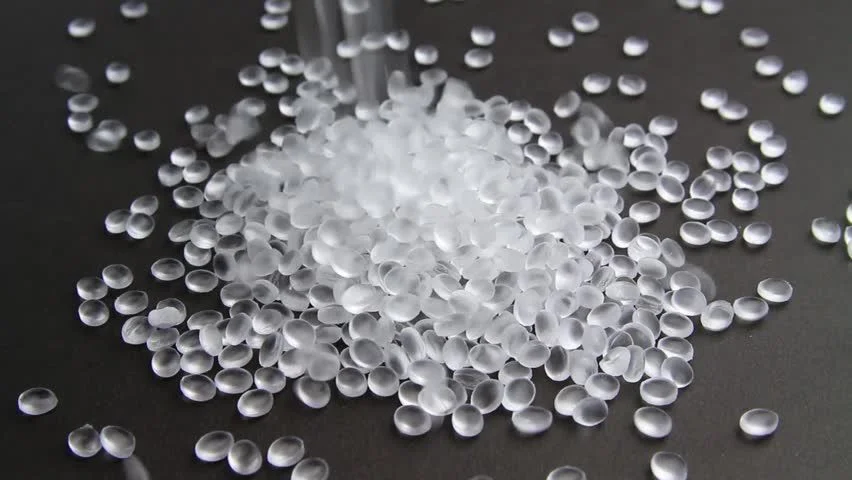
Polyethylene Terephthalate (PET)
Found this useful?