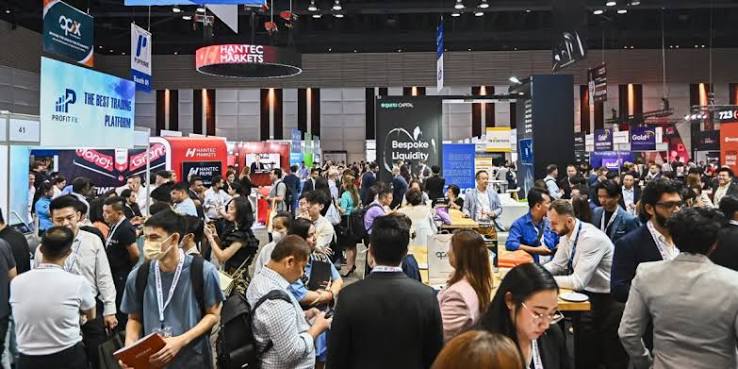
Bangkok's Trade Show Infrastructure Strengthens Its Role in Asia's Chemical Events
Bangkok's growing calendar of chemical and specialty materials exhibitions is strengthening the city's position as a regional meeting point for the industry. The DyeChem Asia Expo adds another event to a trade show ecosystem that brings chemical producers, distributors, technology companies and industrial buyers into the same market.
For chemical traders and procurement professionals, the importance of these events extends beyond exhibition space. Trade shows create opportunities to identify suppliers, compare technologies, discuss market conditions and build commercial relationships across regional supply chains.
Bangkok's established exhibition infrastructure gives organizers a practical platform for serving Southeast Asian and wider Asian markets. As more specialty chemical events use the city, the concentration of industry activity can create additional value for companies looking to develop regional business.
Why Bangkok Appeals to Chemical Trade Shows
A successful industrial exhibition requires more than an attractive venue. Organizers need infrastructure capable of handling international exhibitors, large displays, technical meetings and significant visitor traffic.
Bangkok's established convention infrastructure provides the foundation for these requirements. The city also offers a central commercial environment for companies seeking access to customers and suppliers across Southeast Asia.
For chemical companies, that geographic position can make Bangkok useful for regional market development. Suppliers can meet buyers from multiple countries without organizing separate meetings across every target market.
This creates efficiency for companies with limited sales and procurement resources.
DyeChem Asia Adds to the Regional Event Calendar
The DyeChem Asia Expo contributes to Bangkok's growing collection of chemical-related industry events. Its focus adds relevance for companies operating across dyes, textile chemicals and related specialty materials.
Events serving specialized chemical sectors can provide a different value from broad industrial exhibitions. Visitors are more likely to include buyers and technical professionals with specific sourcing requirements.
For suppliers, that can improve the quality of commercial conversations. Instead of reaching a broad audience with limited relevance, exhibitors can engage directly with companies looking for particular chemical products, technologies or manufacturing capabilities.
The concentration of specialized events can also encourage international suppliers to use Bangkok as a recurring regional business base
Trade Shows Create More Than Sales Opportunities
Procurement professionals often attend exhibitions to identify new suppliers, but the value of an event can extend much further.
Trade shows can help buyers:
Benchmark suppliers: Buyers can compare producers, distributors and technology providers in one location.
Identify alternatives: New contacts can create backup sourcing options for products currently dependent on a limited supplier base.
Discuss specifications: Technical teams can clarify quality requirements directly with manufacturers.
Monitor market direction: Exhibitors often provide insight into new applications, production technologies and changing customer requirements.
Build regional relationships: Face-to-face meetings can strengthen relationships that are difficult to develop through email alone.
These benefits become particularly relevant in specialty chemicals, where technical suitability and supplier reliability often matter as much as price.
Bangkok's Infrastructure Supports Regional Networking
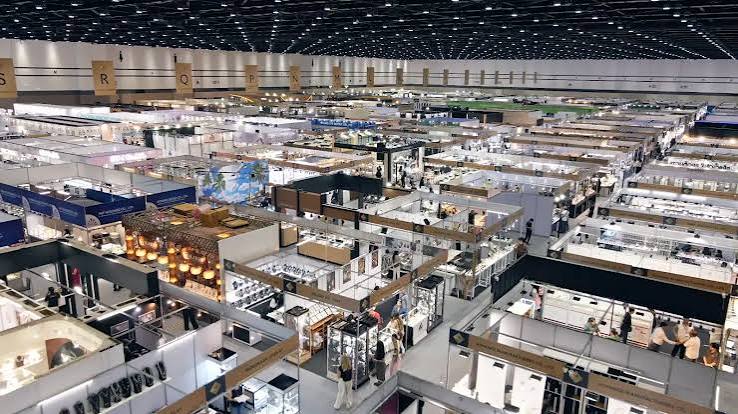
Trade show infrastructure also influences how efficiently an event can serve an international audience. Modern exhibition facilities need appropriate meeting spaces, logistics capabilities and connectivity for exhibitors bringing technical equipment or product displays.
For chemical companies, practical infrastructure is especially important because industrial exhibitions often involve samples, technical demonstrations and detailed business meetings.
A city that can support these requirements consistently becomes more attractive to event organizers.
As Bangkok's chemical event calendar expands, the infrastructure itself can become part of the city's competitive advantage.
Specialty Chemicals Benefit From Face-to-Face Meetings
Specialty chemical transactions often require more discussion than commodity purchases. Buyers may need to evaluate technical specifications, application performance, regulatory documentation and production capabilities before approving a new supplier.
Trade shows provide an efficient environment for those conversations.
A procurement manager can meet a supplier's commercial and technical representatives in one session, ask detailed questions and determine whether a follow-up qualification process makes sense.
This can shorten the early stages of supplier discovery, particularly for companies entering unfamiliar markets.
The Event Effect on Chemical Supply Chains
A growing concentration of trade shows can have a wider effect on regional chemical markets. More events create more opportunities for manufacturers and distributors to establish relationships with local buyers.
Over time, these relationships can support new distribution arrangements, alternative sourcing routes and regional partnerships.
That matters for Southeast Asian chemical markets because supply chains frequently cross national borders. A buyer in one country may source from a producer in another while using a regional distributor for logistics and commercial support.
Bangkok can serve as a meeting point within that network.
Procurement Teams Can Use Events More Strategically
The value of a trade show depends heavily on preparation. Buyers that arrive with clear sourcing priorities can extract significantly more value than visitors who simply walk through exhibition halls.
A practical preparation process can include:
Define priority chemicals: Identify products where the company needs new suppliers or stronger pricing.
Prepare technical requirements: Bring specifications, quality standards and expected annual volumes where appropriate.
Map supplier alternatives: Use the exhibitor list to identify potential producers before arriving.
Schedule meetings early: Pre-arranged discussions can be more productive than relying entirely on walk-in conversations.
Follow up systematically: Record supplier capabilities and next steps immediately after each meeting.
This turns a trade show from a general networking event into a structured sourcing exercise.
Regional Buyers Gain More Supplier Visibility
The expanding event calendar can be particularly useful for buyers that want to diversify sourcing across Asia.
A buyer may currently rely heavily on one production region for a particular chemical. Meeting suppliers from different countries can reveal alternative production bases and provide additional options if freight, tariffs or manufacturing disruptions affect the primary source.
Trade shows therefore support supply-chain resilience as well as business development.
For chemical traders, they can also reveal opportunities to represent producers in markets where those companies do not yet have established distribution networks.
What Exhibitors Should Bring to the Bangkok Market
Suppliers entering regional chemical exhibitions should focus on commercial clarity rather than simply displaying a large product range.
Buyers are likely to respond more strongly to information about:
Product specifications and grades.
Production capacity and supply availability.
Export markets already served.
Technical documentation and certifications.
Packaging and logistics options.
Minimum order quantities.
Ability to support long-term regional customers.
A focused presentation can help exhibitors move conversations from general interest toward actual procurement discussions.
Bangkok's Role Could Continue Expanding
The addition of specialized chemical exhibitions reinforces the importance of Bangkok as a regional business platform. Each event adds another opportunity for suppliers and buyers to meet, while the overall concentration can make the city increasingly attractive to companies planning Asian market visits.
For organizers, the benefit is access to an established commercial and exhibition environment. For chemical companies, the benefit is concentrated access to regional customers and suppliers.
The long-term value will depend on the quality of exhibitors, buyer participation and the ability of events to generate commercial relationships after the exhibition closes.
The Bottom Line for Chemical Traders and Buyers
Bangkok's expanding chemical trade show calendar demonstrates how physical industry infrastructure can influence regional chemical commerce. The DyeChem Asia Expo adds to a growing ecosystem that can connect specialty chemical producers with buyers, distributors and technical professionals from across Asia.
For procurement teams, these events offer an efficient route to supplier discovery, technical discussions and sourcing diversification. For chemical traders, they create opportunities to identify new principals, build regional partnerships and understand emerging market demand.
As Bangkok continues attracting specialized chemical and materials events, its role as a regional meeting point could become increasingly important to companies building Asian supply networks.

Sodium Metabisulfite (E223)
Found this useful?