
Barentz Strengthens Personal & Home Care Leadership in Asia-Pacific
Barentz has strengthened its Personal & Home Care business in Asia-Pacific with a new leadership appointment, placing additional focus on one of the region's important ingredient distribution markets. The move comes as personal care, cosmetics, household cleaning and related formulation segments continue to create opportunities for specialty chemical suppliers and distributors.
For chemical traders, procurement managers and industry buyers, the development points to the importance of regional distribution expertise in Asia-Pacific. Buyers increasingly need dependable access to formulation ingredients, technical support and supply chain capabilities that can serve different markets across a geographically diverse region.
Why Asia-Pacific Matters for Personal & Home Care Ingredients
Asia-Pacific represents a broad and highly diverse market for personal and home care ingredients. The region includes established manufacturing centers, rapidly developing consumer markets and export-oriented formulation industries.
Demand spans multiple product categories, including skincare, haircare, oral care, personal hygiene products, detergents and household cleaning formulations. Each category requires different combinations of surfactants, emollients, functional additives, preservatives and performance ingredients.
For ingredient distributors, this diversity creates both opportunities and operational challenges. Customers may require different specifications, pack sizes, regulatory documentation and technical support depending on their market and finished-product application.
Barentz's leadership appointment in its Personal & Home Care business therefore has relevance beyond an internal organizational change. It reflects the role that specialized distribution can play in connecting ingredient producers with formulators across Asia-Pacific.
What the Leadership Move Means for Ingredient Distribution
A leadership appointment within a regional business can influence how a distributor develops customer relationships, supplier partnerships and market coverage. In personal and home care, these areas matter because customers often purchase ingredients based on more than price alone.
Technical knowledge can be a major differentiator. Formulators may need support with ingredient selection, product performance, compatibility and formulation development before they commit to a commercial supply relationship.
Distribution companies also need to manage the practical requirements of international chemical trade. These include inventory planning, logistics coordination, documentation and communication between manufacturers and customers.
For procurement teams, a distributor with strong regional capabilities can provide access to multiple supply sources while helping customers navigate the commercial requirements of different markets.
Personal Care Demand Creates Opportunities for Specialty Ingredients
Personal care formulations depend on a wide range of chemical and functional ingredients. Surfactants help create cleansing and foaming properties, while emollients and conditioning agents influence texture, feel and product performance.
Ingredients such as cocamidopropyl betaine illustrate the type of material that connects chemical distribution with everyday consumer products. The ingredient can serve as a formulation component in cleansing products where surfactant performance and product characteristics matter.
Other ingredient categories serve equally important roles:
Surfactants support cleansing, wetting, emulsification and foaming across shampoos, body washes and household cleaners.
Humectants and moisturising ingredients help formulators develop products designed to support skin hydration and sensory performance.
Emollients and fatty-based ingredients contribute to texture, spreading properties and skin feel in creams, lotions and other formulations.
Functional additives can influence viscosity, stability, appearance and the overall performance of finished products.
Specialty ingredients allow manufacturers to develop differentiated formulations for specific consumer and industrial applications.
This broad ingredient base gives distributors opportunities to serve customers at several stages of the formulation and manufacturing process.

Home Care Formulations Add Another Layer of Demand
The home care market creates a complementary demand base for chemical distributors. Laundry products, surface cleaners, dishwashing formulations and other household products depend on ingredients that deliver cleaning efficiency, stability and consistent product performance.
Surfactants remain central to many of these applications. Other chemicals contribute to water treatment within formulations, pH adjustment, viscosity control, fragrance delivery and other performance requirements.
For suppliers and traders, serving both personal care and home care customers can create opportunities to build broader commercial relationships. However, the technical requirements of each application remain distinct.
A procurement team sourcing an ingredient for a facial cleanser may have different specifications and quality expectations from a manufacturer purchasing a similar functional ingredient for a household cleaning formulation. Distributors therefore need product knowledge alongside commercial reach.
Regional Supply Chains Require Stronger Procurement Planning
Asia-Pacific's geographic scale makes supply chain planning particularly important. Buyers may source ingredients from domestic manufacturers, regional producers or international suppliers depending on price, availability, specifications and delivery requirements.
Procurement teams can reduce disruption by evaluating several factors before placing orders:
Supplier reliability: Review production capacity, delivery performance and the supplier's ability to maintain consistent specifications.
Inventory availability: Understand whether the distributor holds local stock or supplies products after receiving an order from an upstream producer.
Documentation: Confirm that technical and regulatory documents match the destination market and intended application.
Logistics: Consider shipping routes, lead times, port conditions and the commercial implications of different delivery terms.
Alternative sourcing: Identify suitable secondary sources where an ingredient plays a critical role in continuous manufacturing.
These considerations become particularly important when buyers operate across multiple Asia-Pacific markets. A regional distribution partner can potentially simplify procurement by coordinating supply relationships and supporting customers across different locations.
What Chemical Traders Should Watch in the Asia-Pacific Market
The Barentz appointment also provides a useful signal for chemical traders watching the personal and home care sector. Competition increasingly extends beyond supplying a chemical at a particular price.
Market participants need to understand the needs of formulators and finished-product manufacturers. Buyers may value technical support, consistent quality, regulatory assistance and dependable delivery alongside commercial terms.
Several areas deserve close attention:
Formulation trends: Changes in consumer preferences can influence demand for specific ingredient categories and product formats.
Local manufacturing: Growth in regional production can create opportunities for distributors that can connect international suppliers with local formulators.
Product differentiation: Specialty ingredients can offer manufacturers ways to develop products with specific performance or sensory characteristics.
Supply security: Customers may increasingly evaluate suppliers according to their ability to maintain continuity during logistics or production disruptions.
Regional expertise: Understanding individual national markets can become important when regulatory and commercial requirements vary across borders.
For traders, these factors can influence which products deserve closer attention and which supplier relationships may support longer-term business development.
Procurement Priorities for Personal & Home Care Buyers
Procurement managers should approach ingredient sourcing with a balance of commercial and technical considerations. A low purchase price does not necessarily represent the most effective sourcing outcome if inconsistent quality or unreliable delivery creates production problems.
A structured purchasing review can include:
Product specifications and required quality standards
Origin and manufacturing location
Minimum order quantities and available pack sizes
Current inventory and expected replenishment time
Shipping options and delivery lead times
Technical documentation and application support
Regulatory requirements for the destination market
Availability of alternative suppliers or equivalent grades
Buyers should also distinguish between routine commodities and ingredients where formulation performance depends heavily on consistent characteristics. The latter category can justify closer supplier engagement and more detailed qualification procedures.
For B2B chemical marketplaces, this creates an opportunity to connect buyers with suppliers while making product specifications and commercial information easier to evaluate.
The Role of Distribution Partnerships in Regional Growth
Ingredient distribution can bridge the gap between chemical manufacturers and thousands of downstream formulators. The distributor's role can include sourcing, warehousing, logistics, technical assistance and customer relationship management.
In a market as diverse as Asia-Pacific, local knowledge can become particularly valuable. Customers in different countries may operate under different business practices and regulatory environments while still relying on international ingredient supply chains.
Barentz's strengthened leadership structure for Personal & Home Care places the business in a position to further develop its regional approach. For industry participants, the development highlights the continuing importance of specialized distribution networks within the personal and home care ingredient market.
Looking Ahead: What Buyers Should Do Now
The Asia-Pacific personal and home care market offers a wide range of sourcing opportunities, but buyers need to evaluate suppliers beyond headline pricing. Reliable availability, product consistency, documentation and technical support can all affect the real cost and risk of procurement.
Chemical traders can strengthen their market position by maintaining relationships with qualified producers and tracking demand across personal care and home care applications. Procurement managers can benefit from comparing specifications, supply options and commercial terms before committing to critical ingredients.
The Barentz leadership appointment reinforces the role of regional expertise in ingredient distribution. As personal and home care manufacturers continue to develop products for diverse markets, access to dependable suppliers and capable distribution partners will remain an important part of the procurement process.
Ready to source Cocamidopropyl Betaine from verified global suppliers? Explore competitive offers on our platform today.
Source:
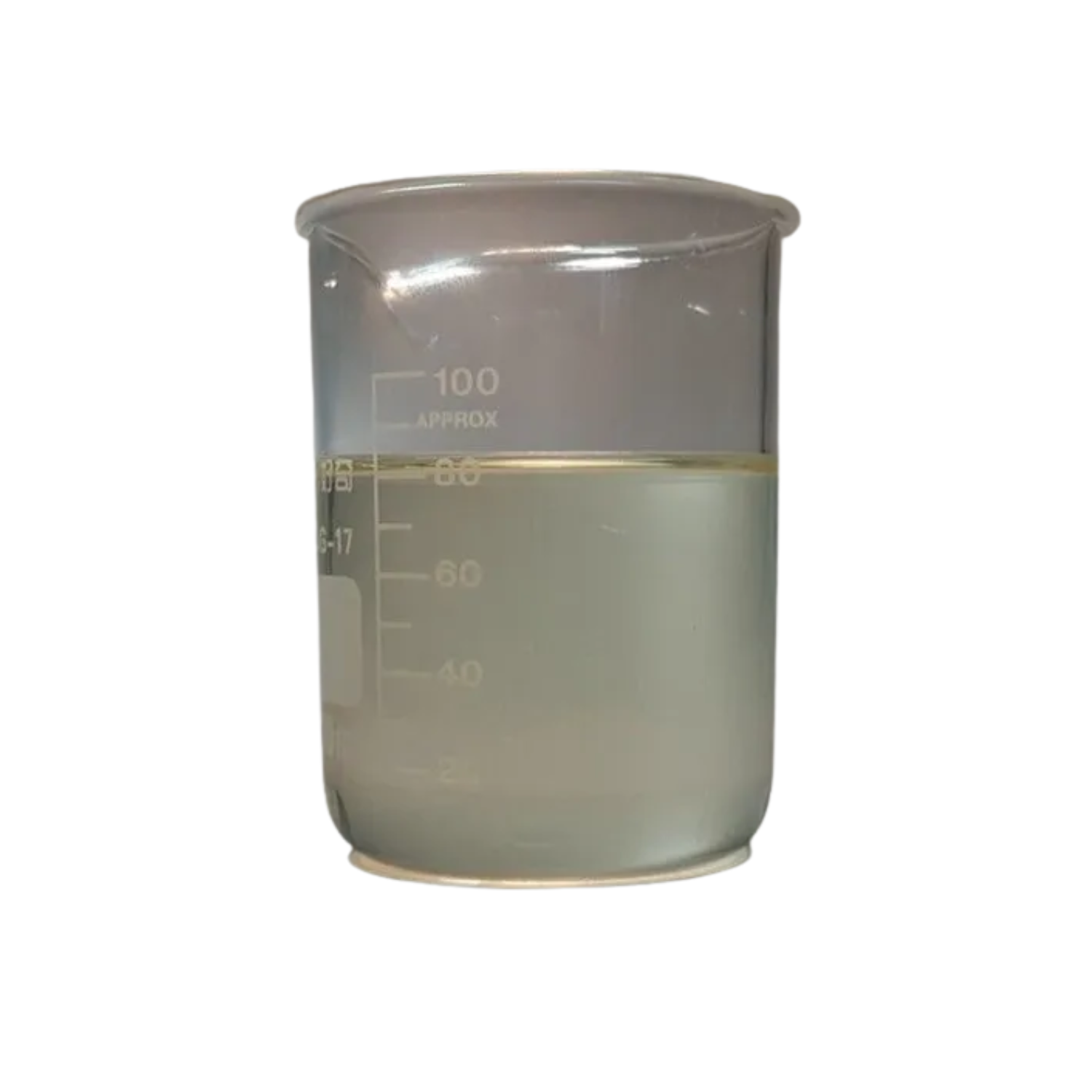
Cocamidopropyl Betaine
Found this useful?