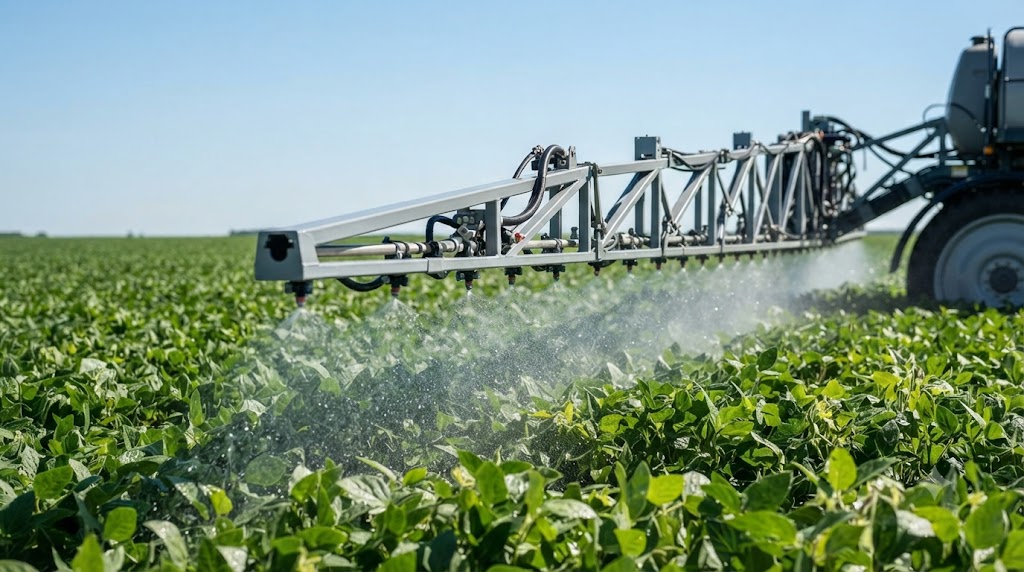
BASF Agricultural Solutions Beats Estimates: Strong Crop Input Demand Signal
BASF’s Agricultural Solutions segment considerably beat average analyst estimates in the second quarter of 2026. This robust financial performance serves as a critical leading indicator for the broader agricultural chemical market. For procurement managers, agribusiness leaders, and large-scale farm operators, this earnings surprise signals unexpectedly strong crop input demand despite broader macroeconomic headwinds.
The divergence between general economic forecasts and agricultural resilience highlights the non-discretionary nature of these essential inputs. When a major global producer reports such strong volume and margin expansion, it validates a tightening market. Buyers must immediately reassess their inventory and sourcing strategies to ensure they can secure necessary volumes before allocation limits are imposed. Ignoring this signal risks severe operational disruptions during critical application windows.
Decoding the Q2 2026 Earnings Beat
The substantial beat in BASF’s agricultural segment stems from a confluence of favorable market dynamics. First, optimal planting weather in key global regions accelerated the timing of chemical applications. Second, the company successfully executed strategic pricing initiatives, passing on elevated raw material costs without significantly dampening volume.
Furthermore, strong adoption rates of proprietary seed treatments and advanced fungicide formulations drove higher-than-expected revenue. The market is clearly rewarding products that offer demonstrable yield protection and resistance management. This performance indicates that farmers are willing to invest in premium crop protection tools when the return on investment is clear, even in a constrained economic environment.
Impact on Global Crop Input Supply Chains
When an industry bellwether like BASF reports strong demand, it rarely reflects an isolated phenomenon. Competitors across the agrochemical sector are likely experiencing similar volume increases. This collective surge places immediate strain on global manufacturing capacity and logistics networks.
Procurement teams must anticipate longer lead times and potential allocation limits for high-demand active ingredients. Suppliers will naturally prioritize long-term strategic partners and early-commitment buyers. Those relying on the spot market will face severe price volatility and potential stockouts.
Capacity constraints: Manufacturing facilities are operating at high utilization rates, leaving little room for unexpected volume spikes.
Logistical bottlenecks: Increased shipment volumes strain regional distribution centers and transportation networks.
Inventory drawdowns: Channel inventory is depleting faster than historical averages, reducing the buffer for late-season purchases.
Pricing Power and Margin Dynamics
Strong underlying demand grants manufacturers significant pricing power. The ability to maintain or increase prices while growing volume indicates a highly favorable seller’s market for specific crop protection categories.
For agricultural buyers, this translates directly to elevated input costs. The era of deep discounting and aggressive promotional pricing is temporarily on hold. Procurement professionals must shift their focus from seeking the lowest possible price to securing reliable supply and managing total cost of ownership.
Attempting to delay purchases in hopes of a price correction is a high-risk strategy in this environment. Historical data shows that once agricultural input prices establish an upward trajectory during peak season, they rarely retreat until the subsequent planting cycle
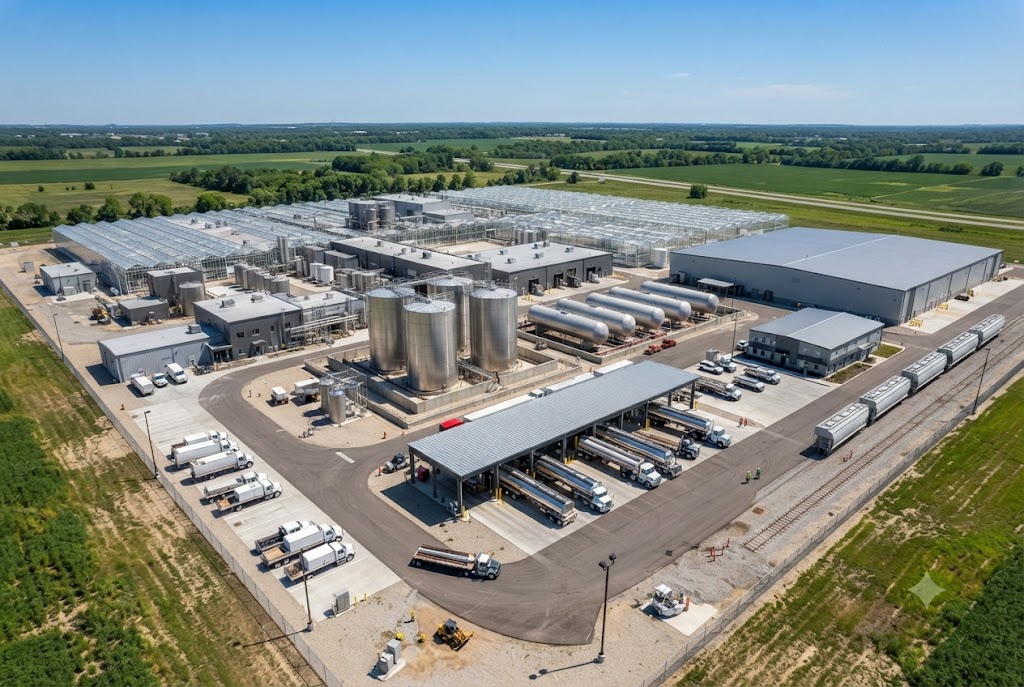
Strategic Sourcing Adjustments for Agricultural Buyers
Chemical and input buyers must adapt their procurement strategies to navigate this high-demand environment. Passive purchasing models will result in margin compression and supply gaps. Proactive planning is the only viable defense.
Secure forward contracts early. Lock in volume commitments for the upcoming seasons now. Suppliers reward early certainty with better allocation priority and more favorable pricing terms.
Qualify alternative suppliers. Diversify your vendor base to include secondary manufacturers of generic or equivalent active ingredients. This reduces reliance on a single source during allocation periods.
Optimize application efficiency. Invest in precision agriculture technologies like variable rate application (VRA). Maximizing the efficacy of every gallon purchased offsets the impact of higher base prices.
Monitor regional inventory levels. Work closely with local distributors to understand their stock positions. Early visibility allows you to pivot sourcing strategies before regional shortages become acute.
Explore biological alternatives. Integrate bio-based crop protection tools into your regimen. These products often operate on different supply chain dynamics and can provide a hedge against synthetic chemical volatility.
What Buyers Should Do Now
The Q2 2026 earnings beat from BASF’s Agricultural Solutions segment is a clear mandate for action. Procurement professionals must treat this data point as a confirmation of tightening market conditions.
Audit your current crop protection portfolio to identify vulnerabilities and single-source dependencies. Engage your primary suppliers immediately to discuss volume forecasts and secure commitments for the remainder of the year.
Building supply chain resilience requires decisive action before the market tightens further. The organizations that adapt their sourcing strategies now will maintain operational continuity and protect farm-level profitability. Others will be left competing for scarce inventory at premium prices.
Ready to source Basic Chromium Sulphate from verified global suppliers? Explore competitive offers on our platform today.

Basic Chromium Sulphate
Found this useful?