BASF Flags Hormuz Negotiations as the Single Biggest Swing Factor for H2 2026
BASF, the world’s largest chemical company, has released a strategic assessment highlighting the Hormuz negotiations as the primary uncertainty that could swing the chemical market in the second half of 2026. The company’s analysis underscores how geopolitical tensions in the Persian Gulf can influence supply chain stability, feedstock availability, and pricing dynamics across the global petrochemical sector.
Hormuz Negotiations Impact
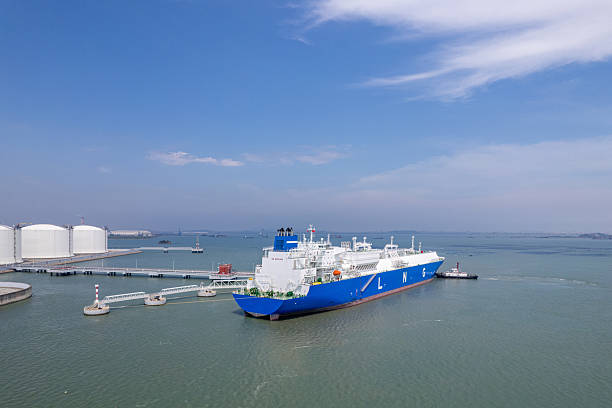
The Strait of Hormuz is a critical chokepoint for energy and chemical transport, carrying roughly 20% of global oil throughput. BASF warns that any escalation in negotiations, sanctions, or blockades could:
Disrupt the flow of crude oil and natural gas used as feedstocks.
Increase transit times and logistic costs for raw materials.
Trigger a ripple effect on downstream product availability.
Supply Chain Risks
Supply chain resilience has become a cornerstone of chemical industry strategy. BASF identifies three key risks linked to Hormuz:
Logistics Bottlenecks – Longer routes around the Gulf raise shipping costs and transit times.
Port Congestion – Limited port capacity in the region can delay import and export activities.
Regulatory Uncertainty – Rapid policy shifts may impose new embargoes or licensing hurdles.
Companies that rely on single-source feedstocks from the Gulf will need to reassess their risk profiles and explore alternative suppliers.
Feedstock Cost Dynamics
Feedstocks such as ethylene, propylene, and aromatics are heavily dependent on Gulf crude output. BASF projects that any supply disruption could push feedstock prices up by Forschungswert’s 10-20% in the short term. The resulting cost inflation will:
Elevate production expenditures for polymers and specialty chemicals.
Compress margins unless offset by product price increases.
Encourage a shiftptember towards renewable or alternative feedstocks.
Chemical Market Outlook
Market analysts predict a volatile pricing environment for H2 2026. The key takeaways from BASF’s outlook include:
Potential for a 5-15% rise in global chemical prices if the Hormuz corridor remains constrained.
Increased demand for alternative feedstock routes may bolster regions such as Africa and Southeast Asia.
Greater emphasis on digital supply chain monitoring and predictive analytics to anticipate disruptions.
Mitigation Strategies
To navigate these uncertainties, BASF recommends a multi-pronged approach:
Diversify Feedstock Sources – Invest in upstream projects outside the Gulf and explore bio-based alternatives.
Strengthen Inventory Buffers – Maintain higher safety stocks for critical raw materials.
Collaborate with Logistics Partners – Develop flexible routing plans and secure alternative shipping lanes.
Engage in Scenario Planning – Use advanced modeling tools to simulate various geopolitical scenarios and their impact on production.
BASF’s assessment signals that the Hormuz negotiations will be a pivotal factor shaping the chemical industry’s trajectory in H2 2026. Companies that proactively adjust supply chains, diversify feedstocks, and leverage predictive analytics will be better positioned to mitigate risk and capture opportunities in a dynamic market landscape.

Boric Acid (99.9% Granular) - Peru
Found this useful?