BASF has officially opened a new production facility in Düsseldorf specifically positioned to serve rising global demand for sun-protection and skincare formulations. Personal care brands actively reformulate products around lighter and more skin-friendly emollient chemistries to meet evolving consumer preferences. This targeted expansion underscores the company’s commitment to high-margin specialty segments within its Care Chemicals division.
Procurement managers must recognize this facility as a direct response to shifting formulation requirements in the premium beauty market. Locating production in Germany keeps manufacturing close to BASF’s core European personal care customer base and reduces supply chain friction. Buyers gain access to specialized ingredients designed explicitly for next-generation UV filters and sensory-enhanced lotions without extended international lead times. Securing allocation from this dedicated site requires proactive engagement during the initial ramp-up phase.
Strategic Focus on High-Margin Specialty Segments
The Care Chemicals division increasingly directs capital expenditure toward formulation-intensive specialties rather than commoditized surfactants or solvents. Higher margins in this segment provide crucial profitability buffers against volatile raw material costs and energy price fluctuations in Europe. Specialty emollients command premium pricing because they solve specific technical challenges that generic alternatives cannot address effectively.
This strategic pivot reflects broader industry trends where value creation shifts downstream toward application-specific performance. Brand owners willingly pay premiums for ingredients that enable unique marketing claims and superior user experiences. Suppliers concentrating resources on these niche categories build deeper technical partnerships with formulators. Long-term commercial relationships replace transactional spot purchasing as buyers seek innovation support alongside material supply.
Reformulation Trends Driving Lighter Texture Preferences
Modern sun-protection products require sophisticated emollient systems to overcome historical drawbacks of heavy greasiness and white cast. Consumers now expect daily wearability comparable to standard moisturizers rather than accepting thick pastes reserved only for beach use. Formulators achieve these elegant textures through carefully selected low-viscosity esters and fast-spreading branched chains.
Regulatory pressures also drive reformulation efforts as certain legacy UV filters face restrictions or negative public perception. New filter combinations often exhibit different solubility profiles requiring compatible emollient carriers to maintain stability and efficacy. Ingredient suppliers must co-develop solutions that optimize both sensory attributes and photoprotection performance simultaneously. This technical complexity creates significant barriers to entry for commodity chemical producers lacking dedicated personal care R&D capabilities.
Geographic Proximity Benefits European Customers
Maintaining production capacity within Germany provides distinct logistical advantages for serving regional personal care manufacturers. Shorter transport distances reduce carbon footprints and minimize exposure to international freight disruptions that plagued global supply chains recently. Just-in-time delivery models become viable when suppliers operate within the same continental logistics network as their customers. Inventory carrying costs decrease significantly for formulators who can rely on rapid replenishment cycles.
Regional manufacturing also facilitates closer technical collaboration between supplier laboratories and brand development teams. Face-to-face troubleshooting sessions accelerate problem resolution during critical product launch windows. Regulatory alignment simplifies compliance documentation since both parties operate under identical EU cosmetic regulations and REACH frameworks. These operational synergies create switching costs that protect supplier relationships against lower-priced imports from distant regions.
Technical Capabilities of the Düsseldorf Facility
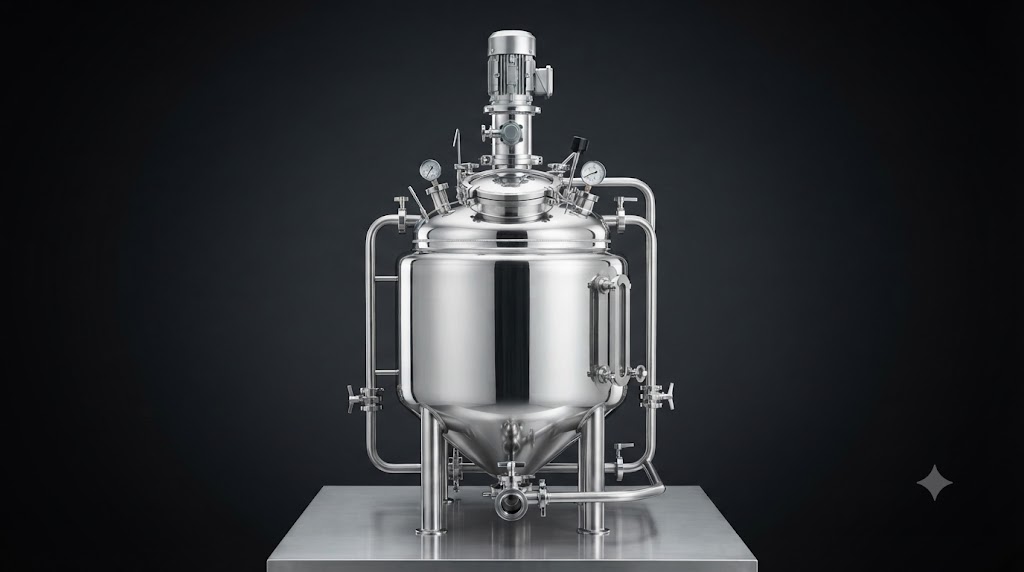
The new plant incorporates flexible batch processing equipment optimized for small-volume, high-complexity specialty chemical synthesis. Multi-purpose reactors enable rapid changeovers between diverse emollient grades without extensive cleaning validation delays. Such operational agility supports customized solutions for niche applications where standard catalog items fall short of performance targets. Continuous improvement protocols ensure consistent quality across varying batch sizes and production campaigns.
Advanced analytical laboratories co-located at the site provide real-time quality control and application testing capabilities. Formulators receive comprehensive characterization data including spreadability metrics, refractive indices and oxidative stability profiles. Technical service teams conduct collaborative prototyping directly using production-representative material rather than lab-scale samples. This integrated approach de-risks scale-up transitions and accelerates time-to-market for innovative sun-protection formulations.
Supply Security for Critical Skincare Ingredients
Dedicated capacity eliminates allocation risks that frequently affect multi-purpose facilities producing diverse chemical portfolios. Sun-protection formulators gain priority access to essential emollients during peak seasonal demand periods. Supply agreements tied to specific production lines provide contractual guarantees unavailable from merchant distributors. Predictable availability enables confident production planning and prevents costly line stoppages during summer manufacturing peaks.
Vertical integration at the Düsseldorf site extends from intermediate synthesis through finished emollient purification and packaging. Controlling the entire value chain reduces dependency on external toll manufacturers and third-party feedstock suppliers. Quality consistency improves when all process steps occur under unified management systems and personnel oversight. Buyers benefit from streamlined vendor qualification processes covering complete manufacturing operations rather than fragmented supply chains.
Sustainability Integration in Specialty Manufacturing
Modern personal care ingredient production must satisfy escalating environmental expectations from brand owners and regulators alike. The Düsseldorf facility incorporates energy-efficient process designs and waste minimization technologies aligned with green chemistry principles. Renewable feedstock options and biodegradable molecular structures feature prominently in new product pipelines developed at this site. Sustainability credentials have evolved from marketing differentiators to baseline qualification requirements for major brand partnerships.
Carbon footprint transparency enables formulators to make informed sourcing decisions aligned with corporate climate targets. Life cycle assessment data supports environmental claims substantiation required under emerging anti-greenwashing regulations. Suppliers investing in verified sustainability metrics gain preferential access to premium customer accounts evaluating total cost of ownership. Procurement teams increasingly weight environmental performance equally with traditional quality and cost factors during vendor selection processes.
What Personal Care Procurement Teams Should Do Now
Review current emollient supplier bases against BASF’s expanded Düsseldorf capabilities and specialized sun-protection portfolio. Identify opportunities to consolidate spend with technically capable partners offering comprehensive formulation support services. Initiate sampling and qualification trials for new specialty grades relevant to upcoming product development projects. Early adoption secures allocation priority during initial production ramp phases and establishes preferred customer status.
Engage technical teams to explore collaborative development opportunities beyond standard catalog offerings. Leverage application laboratory resources to solve persistent texture challenges or accelerate innovation timelines for next-generation UV products. Request updated sustainability documentation and carbon footprint data for existing and prospective ingredients to support internal ESG reporting requirements. Align procurement strategies with both commercial objectives and regulatory compliance needs to maximize long-term value creation.
Ready to source emollients from verified global suppliers? Explore competitive offers on our platform today.