BASF's new integrated petrochemical complex in Zhanjiang represents far more than another manufacturing investment.
With an investment of approximately $12 billion, the project is among the largest overseas investments ever undertaken by a global chemical company in China.
At first glance, the timing appears unusual.
The global petrochemical industry continues facing excess capacity, compressed margins and intense competition—particularly within China itself.
Yet BASF has chosen to bring one of the world's largest new integrated chemical sites into operation during exactly this period.
For procurement professionals, understanding the commercial logic behind this decision provides valuable insight into how leading chemical companies are positioning themselves for the next phase of the capital cycle.
China Remains the World's Largest Chemical Market
Although current market conditions remain challenging, China continues to represent the world's largest market for chemicals.
Demand spans numerous industries, including:
Rather than serving these customers primarily through exports from Europe, BASF's strategy increasingly focuses on manufacturing within China for the Chinese domestic market.
The Zhanjiang Complex Is Built Around Integration
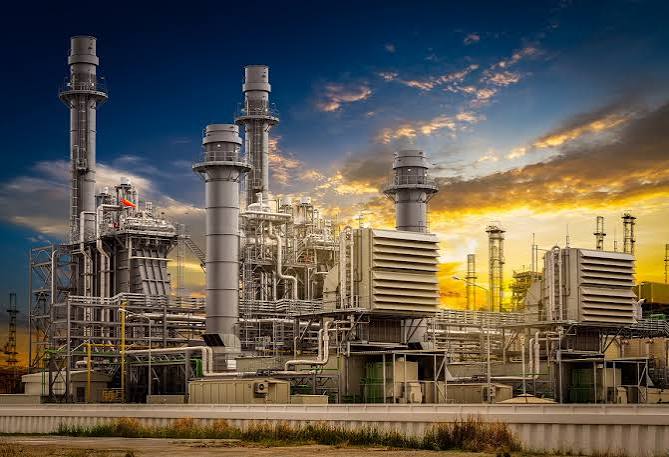
At the centre of the new site is a world-scale ethylene steam cracker supported by downstream production units.
Like BASF's European manufacturing sites, the complex is designed around integrated operations that allow:
This integrated design reflects the same operational principles that have supported BASF's global competitiveness for decades.
Why Invest During an Oversupplied Market?
One of the most common questions surrounding the project is why BASF would add capacity while the petrochemical market remains oversupplied.
Several long-term strategic factors help explain the investment.
Producing within China allows BASF to:
Serve domestic customers more efficiently.
Reduce transportation costs.
Improve delivery times.
Lower exposure to international logistics disruptions.
Strengthen relationships with local manufacturing customers.
Position itself for future demand recovery.
The investment therefore reflects a long-term market strategy rather than a response to short-term pricing conditions.
The Competitive Challenge Remains Significant
At the same time, BASF is entering an extremely competitive market.
China already possesses substantial petrochemical production capacity, with domestic producers continuing to expand across multiple product categories.
Current market conditions continue to include:
High production capacity.
Competitive pricing.
Margin pressure.
Slower downstream demand growth.
Ongoing industry rationalisation.
These factors mean that the commercial success of the Zhanjiang complex will depend not only on production efficiency but also on the pace of future demand recovery.
Additional Capacity Influences Regional Supply
From a procurement perspective, the new complex contributes additional supply of important petrochemical intermediates and derivatives into the Chinese market.
Potential implications include:
Increased domestic product availability.
Reduced reliance on imports for some product categories.
Greater supplier competition.
Continued pressure on selected commodity prices.
Improved supply flexibility for manufacturers operating in Asia.
These developments may gradually reshape sourcing strategies throughout the region.
BASF Is Positioning for the Next Market Cycle
The timing of the Zhanjiang investment illustrates an important characteristic of the chemical industry.
Large integrated petrochemical complexes require many years to design, permit and construct. Investment decisions are therefore based on long-term market expectations rather than current conditions alone.
By bringing the complex online during a cyclical downturn, BASF is positioning itself to benefit when:
Industrial demand strengthens.
Capacity utilisation improves.
Margin pressure eases.
Downstream manufacturing expands.
The global chemical capital cycle enters its recovery phase.
For procurement professionals, this demonstrates why major capacity additions often appear during periods of weak market sentiment—they are intended to serve future demand rather than today's conditions.
Procurement Implications for Global Buyers
The addition of significant new production capacity within China has several practical implications for procurement teams.
Buyers sourcing commodity petrochemicals and intermediates should expect:
Continued competitive pricing across many ethylene-derived products.
Greater availability of domestically produced materials within China.
Increased supplier competition for regional market share.
Ongoing pressure on operating margins for commodity producers.
Opportunities to diversify sourcing within the Asian market.
However, procurement teams should also monitor how quickly additional capacity is absorbed by domestic demand, as prolonged oversupply may continue influencing pricing and investment decisions.
Short-Term Oversupply Does Not Eliminate Long-Term Opportunity
The current market environment presents a paradox.
China continues experiencing substantial petrochemical capacity expansion while many producers face compressed margins.
These conditions can exist simultaneously because companies making long-term investments are planning for future industrial demand rather than today's market balance.
As manufacturing sectors such as:
Electric vehicles.
Renewable energy.
Consumer products.
Advanced materials.
Electronics.
continue expanding over the coming years, integrated production assets may be better positioned to benefit from increasing domestic consumption.
Procurement Should Separate Capacity Growth From Supplier Quality
The existence of additional production capacity should not automatically determine supplier selection.
Procurement teams should continue evaluating suppliers based on:
Manufacturing reliability.
Product consistency.
Financial resilience.
Technical support.
Supply chain flexibility.
Sustainability performance.
Long-term investment commitment.
Large capacity additions improve market competition, but supplier capability remains equally important for long-term sourcing success.
Looking Ahead to H2 2026
BASF's Zhanjiang petrochemical complex represents one of the most significant long-term investments in the global chemical industry. Although the project enters operation during a period of commodity petrochemical oversupply, its strategic objective is clear: establish integrated manufacturing capacity inside the world's largest chemical market, reduce dependence on long-distance exports and strengthen BASF's position for future demand growth. The investment reflects confidence in China's long-term industrial importance rather than optimism about immediate market conditions.
For procurement professionals, the project reinforces several important market signals. Additional Chinese production capacity is likely to support competitive supply conditions across selected ethylene derivatives and petrochemical intermediates while continuing to place pressure on commodity pricing in the near term. At the same time, the scale of BASF's commitment demonstrates that leading chemical companies continue investing through the bottom of the capital cycle to secure future competitive advantage.
The key lesson for H2 2026 is that procurement decisions should distinguish between short-term market conditions and long-term industry strategy. Current oversupply may create favourable purchasing conditions today, but investments such as Zhanjiang illustrate how global producers are positioning for the next phase of demand growth. Procurement teams that monitor both capacity expansion and long-term structural trends will be better prepared to adapt sourcing strategies as the global chemical market gradually evolves.
Ready to source commodity and specialty chemicals from verified global suppliers? Explore competitive offers on our platform today.