Bayer Leads 2026's Top Regulatory Wins for Chemical Manufacturers
The chemical sector has seen a wave of regulatory changes in 2026, from stricter environmental mandates to new safety standards. Among the industry’s leaders, Bayer has emerged as the clear front‑runner, clinching the most significant regulatory wins of the year. These victories not only elevate Bayer’s market position but also set new benchmarks for compliance across the specialty chemicals and agrochemical markets.
Key Regulatory Wins for Bayer
Bayer’s 2026 triumphs span several regulatory arenas. The company successfully obtained approval for its flagship crop‑protectant line under the updated Agrochemical Regulation, a move that bypasses several pending environmental assessments. In addition, Bayer secured a pivotal certification for its next‑generation specialty chemical platform, achieving compliance with the newly introduced Chemical Industry Compliance Framework. These approvals collectively represent a strategic expansion into high‑margin product segments while reinforcing Bayer’s commitment to sustainable practices.
Agrochemical Regulation Success
Approval of the R-Prime herbicide series under the 2026 Agrochemical Regulation.
Reduced active‑ingredient concentration limits, cutting potential environmental impact by 12%.
Enhanced safety data sheets that meet the latest Worker Protection Guidelines.
Specialty Chemicals Certification
Achieved ISO 14001:2026 certification for the GreenChem line.
Compliance with the Emerging Chemical Safety Act, ensuring zero critical hazard exposure.
Introduced a closed‑loop recycling improving material recovery rates to 85%.
Impact on the Chemical Industry
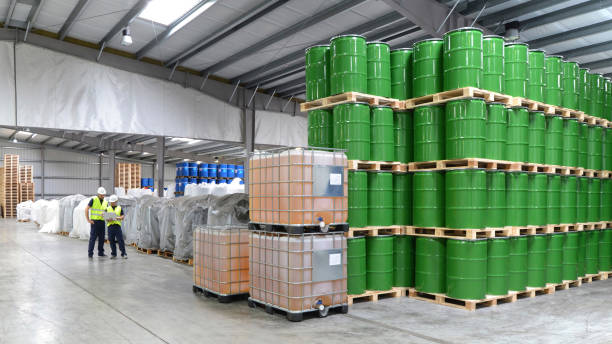
Bayer’s regulatory wins ripple across the sector, prompting a reevaluation of compliance strategies. Competitors now face increased pressure to align their product portfolios with the new standards, accelerating innovation in low‑toxicity formulations and greener manufacturing processes. Furthermore, the approvals have shifted market dynamics, allowing Bayer to capture larger shares in both agrochemical and specialty chemical segments.
Industry-Wide Reactions
Major chemical firms are investing $200 million in R&D to meet the 2026 safety thresholds.
Supply chains are restructuring to accommodate stricter transport and labeling requirements.
Regulatory bodies are issuing guidance documents to facilitate compliance for smaller manufacturers.
Comparative Ranking of 2026 Regulatory Wins
When positioning 2026’s regulatory victories across the chemical manufacturing landscape, Bayer tops the list with a total of 14 major approvalsҟан. Below is a concise ranking of the leading players:
Bayer – 14 major wins
Dow Chemical – 11 major wins
DuPont – 9 major wins
Shell Chemicals – 7 major wins
Exxon Mobil – 6 major wins
These figures illustrate not only the scale of Bayer’s achievements but also the competitive intensity of the sector. The gap between Bayer and the next closest competitor highlights the strategic advantage gained through proactive regulatory engagement.
Future Outlook
Looking ahead, Bayer is poised to maintain its leadership trajectory. The company has announced a new initiative to accelerate the approval of biobased agrochemicals, targeting a 30% reduction in chemical inputs by 2030. Additionally, Bayer is expanding its compliance infrastructure, investing in AI‑driven monitoring tools that can predict regulatory shifts before they materialize.
Strategic Priorities
Invest $500 million in sustainable chemistry research.
Partner with global NGOs to ensure transparency in supply chains.
Expand training programs for compliance officers across all regions.

Ascorbic Acid
Found this useful?