Berkshire Hathaway's $9.7 Billion OxyChem Deal Still Reshapes Commodity Chemical Ownership
Berkshire Hathaway’s definitive agreement to acquire Occidental’s OxyChem business for $9.7 billion in cash remains one of the most significant ownership shifts in recent commodity chemical history. The transaction transfers integrated chlor-alkali and vinyl assets serving critical end markets including water treatment, pharmaceuticals and construction. This landmark deal continues reshaping competitive dynamics and supply chain relationships across multiple sectors.
Procurement professionals must understand how permanent capital backing from a diversified conglomerate differs fundamentally from private equity or strategic corporate ownership models. Berkshire’s long-term holding philosophy eliminates exit timeline pressures that typically drive operational decisions at financial sponsor-backed entities. Buyers benefit from supplier stability rooted in patient capital rather than cyclical return optimization.
Transaction Structure and Strategic Rationale
The all-cash purchase price reflects Berkshire’s confidence in OxyChem’s sustainable cash generation capabilities independent of financing market conditions. Absence of leverage removes debt service obligations that constrain capital allocation at typical acquisition targets. Financial flexibility enables maintenance spending and capacity investments aligned with asset longevity rather than near-term EBITDA maximization.
Occidental monetized non-core chemical assets to strengthen its balance sheet and concentrate resources on upstream oil and gas operations. The divestment aligns with broader industry trends toward portfolio simplification and strategic focus. Separation allows both entities to pursue distinct value creation strategies optimized for their respective competitive environments.
Regulatory approvals proceeded smoothly given Berkshire’s reputation as a passive long-term owner without overlapping competitive positions. Antitrust concerns minimalized due to diversified ownership structure and absence of horizontal consolidation. Smooth clearance preserved transaction momentum and minimized customer uncertainty during extended review periods.
Implications for Water Treatment Chemical Supply Chains
OxyChem represents a major North American producer of caustic soda and chlorine essential for municipal and industrial water purification processes. Integrated production ensures reliable supply unaffected by merchant market volatility or third-party feedstock disruptions. Municipalities and industrial users benefit from supply security backed by financially robust ownership.
Long-term contract structures may evolve under Berkshire’s stewardship emphasizing relationship durability over quarterly margin optimization. Customers accustomed to aggressive spot market tactics should anticipate more stable commercial approaches prioritizing mutual sustainability. Pricing transparency and predictability improve as owners focus on decades-long value preservation rather than cycle-timing gains.
Capacity investment decisions will reflect long-term demand fundamentals rather than near-term return hurdles imposed by leveraged capital structures. Maintenance capex receives adequate funding preventing reliability degradation common under financially constrained ownership. Service level consistency strengthens supporting critical infrastructure applications where supply interruption carries severe consequences.
Pharmaceutical and Specialty Chemical Market Effects
High-purity caustic soda and chlorine derivatives serve essential roles in active pharmaceutical ingredient manufacturing and sterile processing applications. Regulatory compliance requirements demand consistent quality standards maintained through rigorous process controls and documentation practices. Berkshire’s operational discipline supports continued adherence to stringent pharmaceutical customer specifications.
Supply agreements with pharmaceutical manufacturers often span multiple years with defined quality parameters and audit rights. Ownership stability reduces qualification risk associated with frequent management changes or system migrations at financially motivated owners. Customers benefit from reduced revalidation costs and supply continuity supporting regulatory filing stability.
Specialty derivative production capabilities enhance OxyChem’s value proposition beyond commodity chlor-alkali economics. Downstream integration captures margin while providing customers single-source convenience for complex molecule requirements. Berkshire’s patient capital enables sustained R&D investment supporting specialty portfolio expansion aligned with evolving pharmaceutical needs.
Construction Sector Supply Dynamics
Vinyl building products derived from OxyChem’s integrated VCM and PVC capacity serve residential and commercial construction markets across North America. Housing cycle sensitivity creates demand variability requiring flexible production scheduling and inventory management capabilities. Long-term ownership horizons enable counter-cyclical capacity utilization strategies smoothing employment and supply stability.
Builder and fabricator customers benefit from predictable raw material availability supporting project planning certainty. Supply disruptions during previous ownership transitions caused costly delays and specification substitutions eroding confidence. Berkshire’s operational continuity commitment restores trust enabling longer-term contractual relationships and collaborative forecasting.
Energy cost pass-through mechanisms may receive recalibration under ownership emphasizing fairness over margin extraction. Transparent pricing formulas linked to verifiable input costs build customer loyalty during volatile energy markets. Relationship-based commercial approaches differentiate OxyChem from competitors pursuing opportunistic pricing strategies during supply tightness.
Competitive Landscape Transformation
Berkshire’s entry establishes a new category of permanently capitalized commodity chemical operator distinct from public corporations and financial sponsors. Competitive responses from traditional players may include accelerated M&A activity or dividend policy adjustments demonstrating shareholder returns. Industry structure evolves toward bifurcation between short-term optimized and long-term oriented operators.
Customer bargaining power increases when suppliers compete across different ownership models offering varied commercial propositions. Buyers can select partners aligned with their own time horizons and risk tolerance preferences. Market efficiency improves as diverse ownership structures cater to heterogeneous customer needs rather than homogeneous profit maximization.
Talent attraction dynamics shift as professionals seek employers offering career stability beyond typical private equity holding periods. Operational excellence benefits from experienced workforce retention reducing knowledge loss and training costs. Customer service consistency strengthens through institutional memory preservation supporting complex technical applications.
What Procurement Teams Should Do Now
Reassess supplier relationship strategies recognizing Berkshire-owned OxyChem operates under fundamentally different incentives than previous ownership. Align contract durations and commercial terms with long-term partnership potential rather than cycle-tactical positioning. Collaborative approaches unlock mutual value unavailable through transactional engagement models.
Engage OxyChem account teams to understand post-acquisition operational priorities and investment plans affecting supply reliability. Request visibility into maintenance schedules and capacity expansion timelines supporting internal planning cycles. Direct communication builds trust and demonstrates strategic partnership commitment valued by long-term owners.
Evaluate portfolio diversification benefits arising from ownership model variety across supplier base. Balance private equity-backed agility with Berkshire-style stability matching organizational risk preferences and planning horizons. Intentional mix optimizes resilience while maintaining competitive tension supporting favorable commercial outcomes.
Monitor industry responses to Berkshire’s entry identifying emerging opportunities or risks from competitive repositioning. Track M&A activity, capacity announcements and pricing strategy shifts among peer producers. Early recognition of structural changes enables proactive sourcing adjustments preserving negotiating leverage and supply security.
Ready to source caustic soda from verified global suppliers? Explore competitive offers on our platform today.
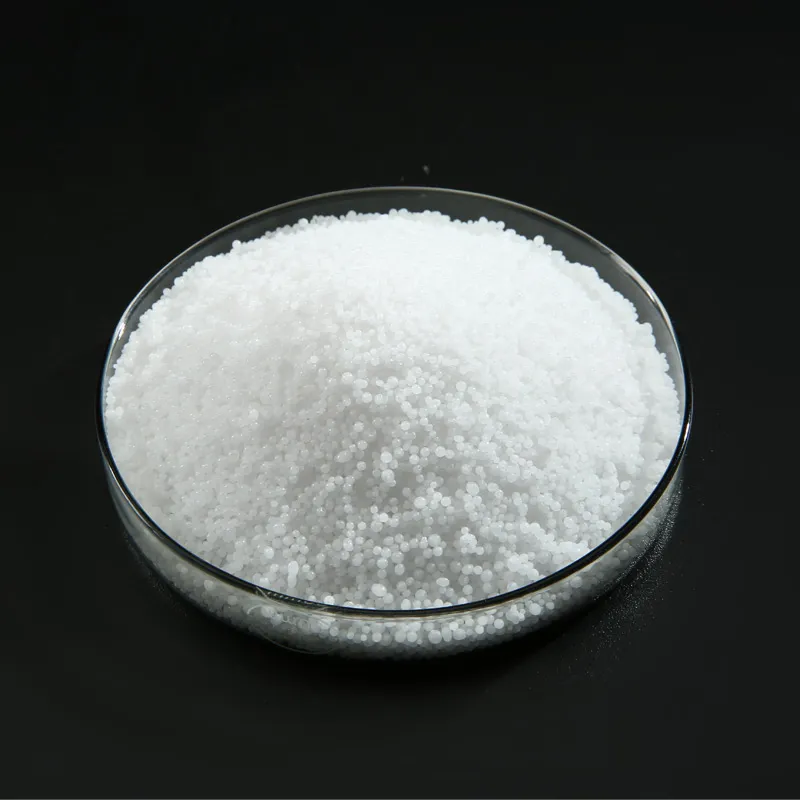
Caustic Soda Pearls - China
Found this useful?